The 1980s—a decade filled with neon colors, synthesizers, and unforgettable pop culture moments—was a time when the world seemed simpler, and human connection took center stage. It was a time before the world was constantly tethered to technology, where face-to-face interactions and genuine conversations formed the core of how we related to each other. Looking back, it’s incredible to see how much of that time was defined by real human connections, the kind that feel increasingly rare in today’s hyper-connected, digital world.
The Era of True Face-to-Face Interaction
In the 80s, technology was beginning to make its mark, but it had yet to dominate every aspect of our lives. There were no smartphones, no constant notifications, and no social media feeds keeping us glued to screens. People actually talked to each other, whether it was in person or on the phone (with a landline, no less). We’d gather around in living rooms, chatting with friends and family, no distractions from endless apps or online shopping. The absence of digital interruptions allowed us to be present in the moment, creating deeper and more meaningful connections with the people around us.
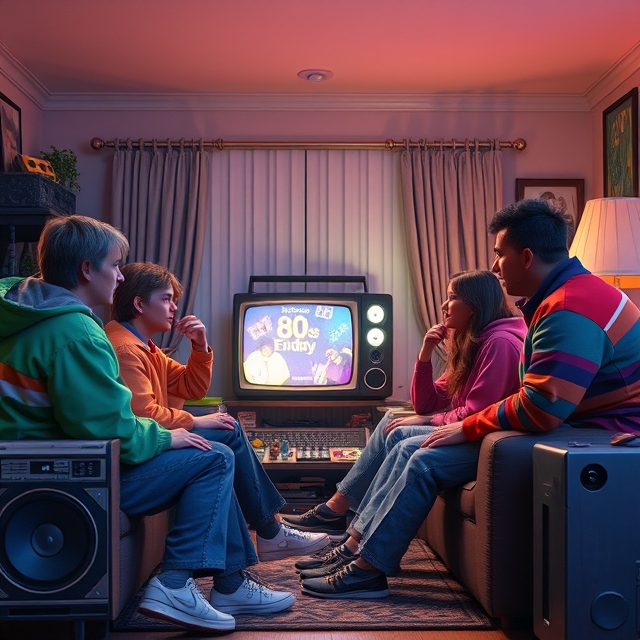
Remember the days when you’d spend hours at the arcade, laughing and competing with friends over the latest video games? It wasn’t about online leaderboards or gaming from the comfort of your home; it was about real-time competition and social interaction, where high-fives and friendly trash talk were the order of the day. In the 80s, being “connected” meant sharing experiences, face-to-face, and forming bonds over shared activities.

For many of us, the best part of the 80s was those spontaneous, real-world connections that happened without the need for a screen. The neighborhood block party, the local diner where everyone knew your name, or the simple joy of picking up the phone to call a friend (without worrying about battery life or data usage). In a way, it was a more intimate time, where people interacted with each other in ways that were far less mediated by technology.

Relationships Built on Conversations, Not Texts
One of the most striking aspects of the 80s was how relationships were built and maintained. Back then, if you wanted to connect with someone, you had to make an effort. Relationships weren’t formed by sending a quick text or liking someone’s post on social media. They were built on long phone calls, handwritten letters, and face-to-face conversations. When you wanted to talk to a friend, you called their home phone, and if they weren’t around, you left a message on their answering machine—sometimes having to wait for hours to hear back.
There was something special about these interactions. They were genuine. You couldn’t hide behind a screen or emojis. You had to engage in real, meaningful conversation, whether it was catching up on life, discussing your favorite movies, or simply laughing over a shared memory. And when it came to romantic relationships, the 80s were a time when dating involved real connection, not swiping left or right. You’d go to a movie, grab a burger, and spend hours talking about your hopes, dreams, and favorite songs—without worrying about the latest social media update.
The lack of instant communication didn’t create distance; it made the time spent with others feel more valuable. When you got a phone call or had an in-person conversation, it felt more intentional. People were more present in the moment, focusing on each other without the distractions of endless digital notifications.
A Time When the World Was Less Isolated
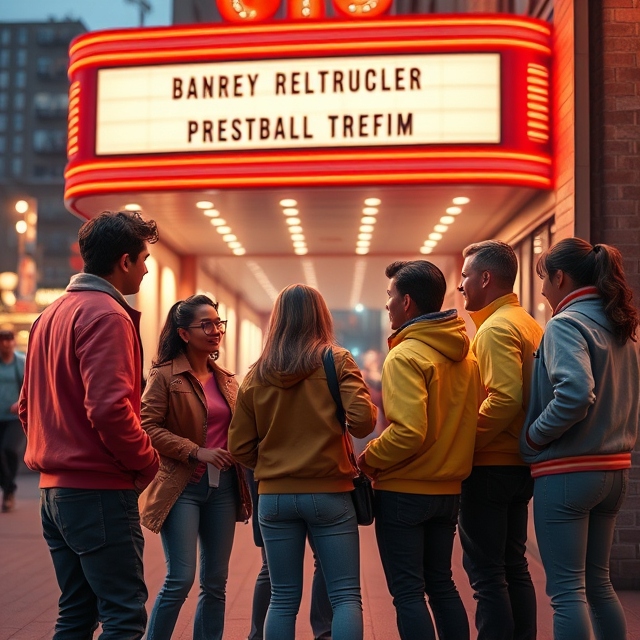
The 80s were a time when the world felt less isolated, despite the lack of modern communication tools. People went out more, interacted with strangers, and formed connections in unexpected places. Whether it was striking up a conversation with someone in a record store, sharing a laugh with a stranger in a movie theater, or chatting with a neighbor you bumped into while walking down the street, the 80s had a sense of community that is often hard to find today.
There was a sense of safety and comfort in those real-world connections. In a time before the internet, people didn’t live in isolated bubbles. If you were bored, you didn’t turn to your phone or scroll through social media; you went outside, knocked on a friend’s door, or went to a local hangout spot. People formed bonds through shared experiences in the real world, not through virtual interactions.
And, of course, there was the ever-present magic of the community experience. Think about the shared excitement when a new movie hit the theaters. Everyone would go to see it, talk about it, and bond over their favorite scenes. It wasn’t about spoilers being revealed online before you had the chance to see the film—it was about experiencing it together, as a community. The same goes for music. Whether it was blasting your favorite cassette in your car or going to a concert, the experience was shared with others. It was a time when people celebrated moments together, creating memories that were etched in the heart, not stored on a digital device.
The Lost Art of Unplugging
Perhaps one of the greatest things the 80s taught us was the importance of unplugging. Without the constant pull of email notifications, social media alerts, or endless streaming options, people had more space to truly relax, be present, and engage with the world around them. We didn’t need to be constantly connected to technology to feel fulfilled. We could enjoy a conversation over a cup of coffee, spend time outside with friends, or enjoy the quiet of our own thoughts without the hum of a device in the background.
In today’s world, where it feels like we’re always “on,” it’s easy to forget how liberating it can be to simply unplug. But the 80s showed us that the most valuable connections are often the ones made in the real world, away from the digital distractions. The world may have been less connected technologically, but in many ways, people were more connected emotionally, and that’s a lesson worth remembering.
Looking Back and Moving Forward
The 80s may seem like a distant memory, but the way people connected during that time is something that’s still relevant today. In an age where technology dominates so much of our lives, we can take inspiration from the 80s and strive to create more meaningful, human connections. It’s easy to get lost in the digital world, but the 80s remind us that the best moments in life often happen when we put down our phones and look up at the world around us.
The human connection, in its purest form, was at the heart of the 80s. It was a time when people shared their lives in person, communicated with depth, and created memories that lasted a lifetime. In today’s world, we could all benefit from reconnecting with that spirit, embracing the beauty of real-world interaction, and finding joy in the simple moments that make life truly special.
 Totally Retro: 80s Edition
Leave a comment