
The 1980s was a decade of transformation, with new wave, punk, glam rock, and the birth of hip-hop filling the airwaves. Yet, amidst the rise of synthesizers, cassette tapes, and MTV, record stores stood as a sanctuary for music lovers—a place where the analog world came to life. The charm of these vinyl emporiums was not just in the records they sold but in the atmosphere they created. Stepping into a record store in the 1980s was an experience that transcended shopping; it was a cultural ritual.
The Vibe of Vinyl
For music fans, vinyl was the medium that mattered. While the compact disc was making its first waves, vinyl records still reigned supreme in the 1980s. Record stores were filled with towering stacks of albums—both new releases and used treasures waiting to be rediscovered. The scent of freshly pressed records mixed with the musty, nostalgic air of the store, creating a unique olfactory experience. It was the unmistakable smell of paper, plastic, and ink that marked every trip to the store.
The vinyl section was where you could lose hours. Each album cover was a work of art, designed to catch your eye and entice you to take a chance on something new. From the iconic neon colors of Duran Duran’s Rio to the stark, minimalist design of Pink Floyd’s The Wall, these album covers were as much a part of the experience as the music itself. They were windows into the worlds of the bands, often leaving a lasting impression before the needle even hit the record.
The Ritual of Digging
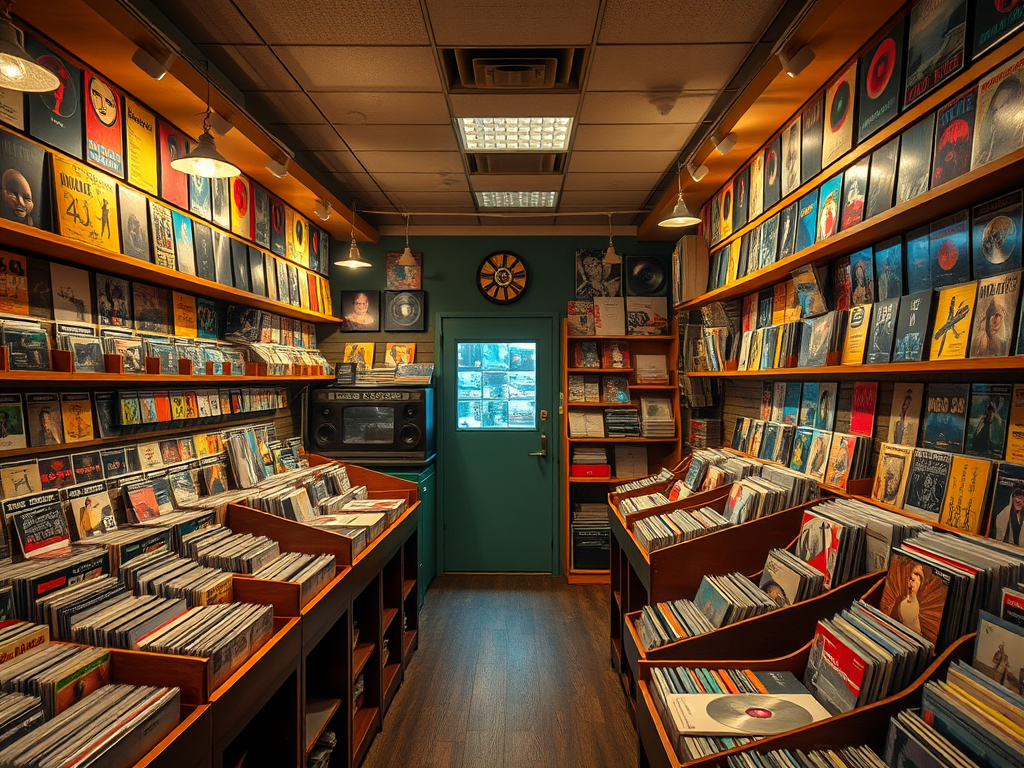
The act of digging through crates of records was a sacred process. It was about more than just finding a specific album; it was a journey of discovery. There was a sense of anticipation with every flip of the album sleeve, a promise that something special could be waiting just beneath the surface. You might find a hidden gem, an obscure import, or the latest hit album that had sold out everywhere else.
Record stores in the ’80s had a tactile, intimate quality. Unlike the impersonal nature of digital music today, there was something special about holding an album in your hands. The weight of the vinyl, the artwork, the liner notes—it all added to the experience. You could take a seat in the store, examine the record, and let the music seep into your soul. It was an analog experience that could never be replicated by the digital world.
The Social Scene
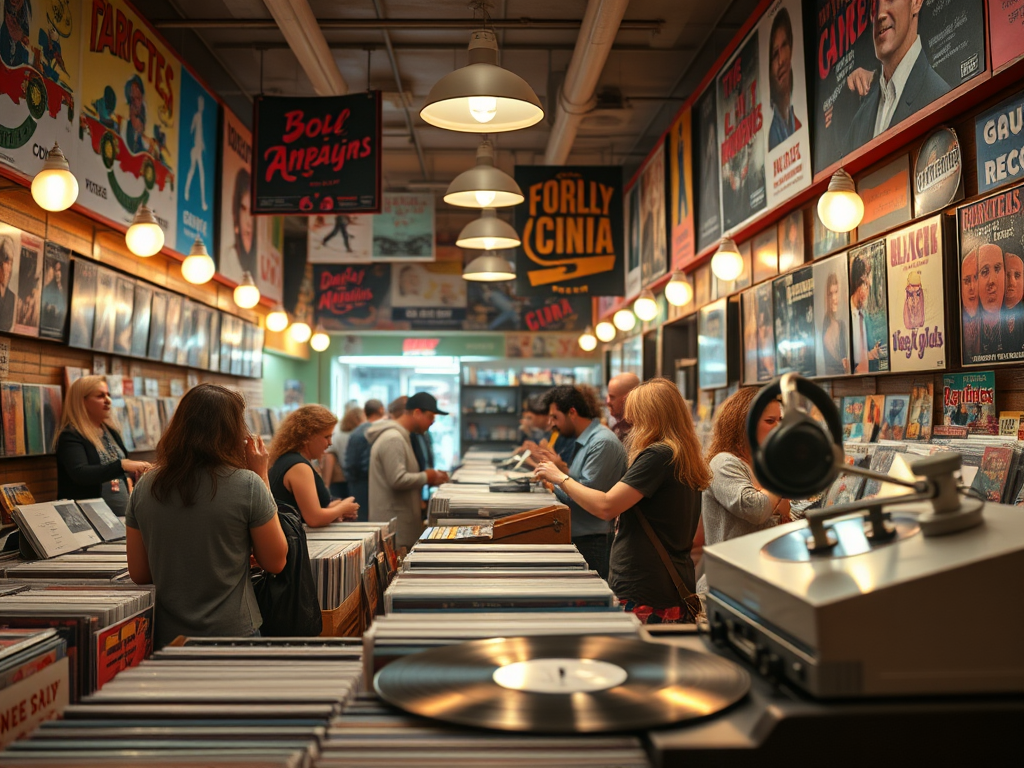
Record stores were community hubs. In the ’80s, music wasn’t just something you listened to; it was a way to connect with others. Conversations about new albums, band rumors, and favorite songs would spill over between the aisles. Staff members, often local music enthusiasts themselves, would recommend albums, engage in heated debates over the best Prince album, or turn you on to the latest underground band. For the uninitiated, the record store was a kind of music school—where recommendations weren’t just handed over but shared with genuine passion.
Some stores even hosted in-store performances, album signings, or promotional events that drew music lovers together. These moments fostered a sense of belonging, where people who shared the same passion could come together and revel in the music they loved.

The Sound of the Store
There was a particular sound to record stores in the ’80s—an eclectic mix of genres floating through the air, from the synth-heavy melodies of Depeche Mode to the grunge beginnings of Nirvana. You might hear a track from Madonna’s Like a Virgin followed by a riff from Metallica, all playing on the same sound system. It wasn’t about a specific genre—it was about the atmosphere. Record stores didn’t just sell music; they curated an experience. And that experience was always evolving.
Sometimes, you’d overhear the store clerk spinning the latest hits or their personal favorite records, giving you an intimate insight into their musical tastes. Other times, the shop would play entire albums front to back, inviting customers to discover new sounds and deep cuts that might have been overlooked. Music was shared, not just sold.
The 12-Inch Singles and Cassettes
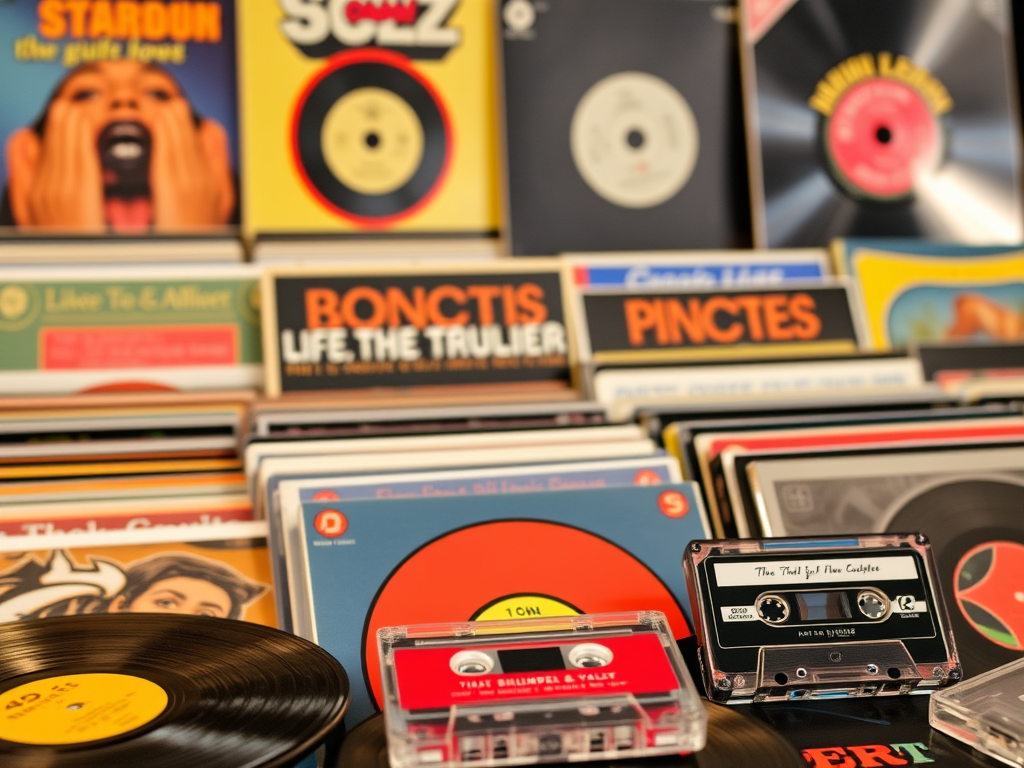
The 1980s saw the rise of the 12-inch single—a format that gave DJs, collectors, and fans something special. These extended-play vinyl records were often packed with remixes, alternate versions, or bonus tracks, and they were coveted items. The 12-inch single wasn’t just for dancing—it was a statement, a way to engage with music on a deeper level.
Meanwhile, cassette tapes were becoming the preferred format for many. Portable, affordable, and endlessly customizable, cassettes gave music lovers the ability to make mixtapes for their friends, or for themselves, compiling their favorite songs from vinyl albums and radio hits. The act of recording your favorite songs from the radio onto a blank tape became an art form, and the cassette aisle in the record store was where the magic happened.
The Decline and Legacy
As the 1980s came to a close, the landscape of music consumption began to shift. The compact disc emerged as the new standard, and digital music slowly started to edge out the analog formats. But even as the compact disc era took hold, the magic of the record store was undeniable. They represented a time before digital music, when music was a physical, tangible experience.
Today, vinyl is experiencing a resurgence, but it’s not quite the same. Modern record stores may sell new releases alongside vintage finds, but they can’t replicate the same energy of a 1980s store, filled with passionate music fans, eager to discover the next big thing. There’s something deeply nostalgic about those visits to the record store—the smell of vinyl, the hunt for the perfect album, and the joy of finding a rare treasure.
In the end, record stores of the 1980s were more than just retail outlets. They were the heart and soul of the music scene—a space where music lovers could come together, share their passion, and experience the magic of music in a way that can never truly be replicated. The ’80s may be long gone, but the memories of those record store visits will live on in the hearts of those who were lucky enough to be a part of it.
 Totally Retro: 80s Edition
Leave a comment