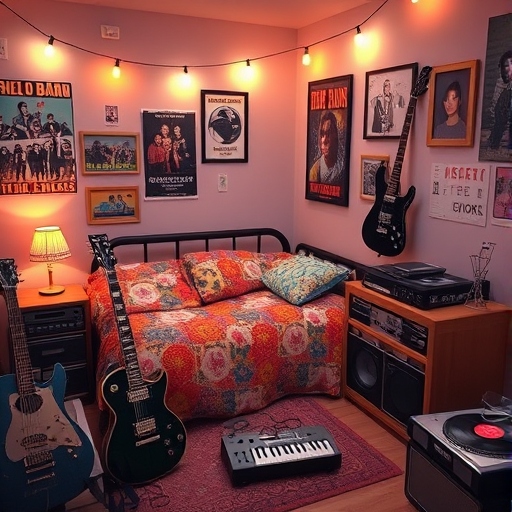
The 1980s were a decade that revolutionized the music world in ways that are still felt today. It was a time of innovation, experimentation, and transformation, with genres like pop, rock, new wave, heavy metal, hip hop, and electronic music shaping the landscape of popular culture. The music of the 1980s is not just a reflection of the era—it’s a vivid, living memory for millions of people who lived through it, a soundtrack to their lives, filled with the energy of youth, rebellion, and optimism. As the years have gone by, the music of the 80s has only grown more iconic, influencing everything from fashion to film to the digital age of streaming.
Looking back at 1980s music is like opening a time capsule. Each note, each beat, each lyric brings with it a wave of nostalgia, transporting listeners back to a simpler time when music wasn’t just something you listened to—it was something you felt in your bones. The sound of the 80s is still alive today in modern music, fashion, and culture, making it clear that the influence of that era is far from over. So let’s dive into the music that defined a decade, examining the artists, genres, and cultural movements that made the 80s a musical revolution.

The Rise of MTV and the Music Video
One of the most defining aspects of 1980s music was the emergence of MTV, which forever changed the way we consumed music. When MTV launched on August 1, 1981, with the iconic words, “Ladies and gentlemen, rock and roll,” it marked the beginning of a new era in music. No longer was music just about the song—it was about the image, the video, and the overall brand that artists built around themselves. The music video became a powerful tool for artists to express their creativity and to connect with fans in ways that had never been possible before.
Artists like Michael Jackson, Madonna, and Prince became not just music icons but cultural icons, thanks to their groundbreaking music videos. Michael Jackson’s “Thriller” video, with its elaborate dance routines and iconic zombie scene, became a cultural event, while Madonna’s “Like a Virgin” video was revolutionary in its portrayal of sexuality and self-expression. The success of MTV created a new standard for how artists presented themselves, and it pushed the boundaries of what was possible in music and visual art. The channel didn’t just showcase the biggest stars—it created them.
The music video also democratized the way people interacted with music. Fans didn’t just hear the songs—they saw the artists in their element, performing and living out the narratives of their music. This created a more intimate relationship between artists and their audiences. For many fans, watching music videos became a daily ritual. It was a time when a favorite song could be played on repeat, not just on the radio, but on TV, too. This helped elevate the visual culture of music to a level that it had never been before.
Pop Music: The Dominant Force
Pop music in the 1980s was bold, vibrant, and unapologetic. It was a decade where artists weren’t afraid to experiment with new sounds, blending elements of disco, rock, funk, and electronic music to create a new sound that was both futuristic and catchy. Artists like Michael Jackson, Madonna, and Prince defined the era’s pop scene, dominating the charts and shaping the culture.
Michael Jackson was undoubtedly the King of Pop during the 80s. His album Thriller (1982) remains the best-selling album of all time, and songs like “Billie Jean,” “Thriller,” and “Beat It” are still some of the most iconic tracks in music history. Jackson’s combination of catchy melodies, infectious rhythms, and groundbreaking music videos set a new standard for what pop music could be. He didn’t just create hits—he created cultural moments that are still remembered and referenced today.
Madonna, the Queen of Pop, was another dominant force in 80s music. Her career skyrocketed in the early part of the decade, and by the mid-80s, she was a global phenomenon. Songs like “Like a Virgin,” “Material Girl,” and “Into the Groove” made her an icon of both music and fashion. Madonna wasn’t just a singer—she was a trendsetter, an innovator, and a symbol of female empowerment. She pushed boundaries in terms of both music and sexuality, and her influence can still be seen in today’s pop stars.
Prince, with his unique blend of funk, rock, and pop, also made a lasting impact on 80s music. His album Purple Rain (1984) is often considered one of the greatest albums of all time, and tracks like “When Doves Cry” and “Let’s Go Crazy” became anthems of the decade. Prince’s music was bold and experimental, combining different genres in a way that had never been done before. He wasn’t just a pop star—he was an artist who blurred the lines between genres and made music that felt fresh and new.

The New Wave and Synth-Pop Explosion
The 80s were also the era of new wave and synth-pop, two genres that revolutionized pop music and changed the way we listened to music. The rise of synthesizers and drum machines brought a new, futuristic sound to the music scene. Artists like Depeche Mode, Duran Duran, and New Order became pioneers of this movement, creating a sound that was both electronic and accessible.
Depeche Mode’s Speak & Spell (1981) was one of the first albums to embrace the synthesizer-driven sound that would dominate the 80s. Their blend of electronic beats and catchy melodies helped define the genre of synth-pop, and songs like “Just Can’t Get Enough” and “Enjoy the Silence” remain some of the most beloved tracks from the decade.
Duran Duran, with their sleek, stylish image and infectious hooks, became one of the biggest bands of the 80s. Their album Rio (1982) produced hits like “Hungry Like the Wolf” and “Save a Prayer,” which became anthems of the new wave movement. Duran Duran’s music was energetic, glamorous, and undeniably fun, making them one of the defining bands of the decade.
New Order, the band formed after the dissolution of Joy Division, helped to solidify the link between post-punk and electronic music. Their track “Blue Monday” (1983) became one of the most iconic dance songs of all time, and their blend of electronic beats with introspective lyrics created a unique sound that resonated with fans across the world.
The Rise of Heavy Metal and Hard Rock
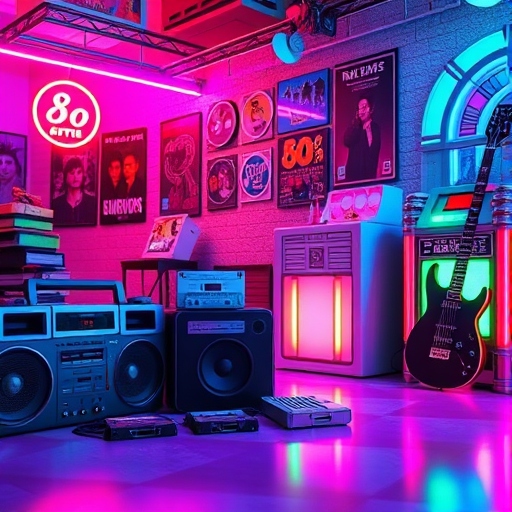
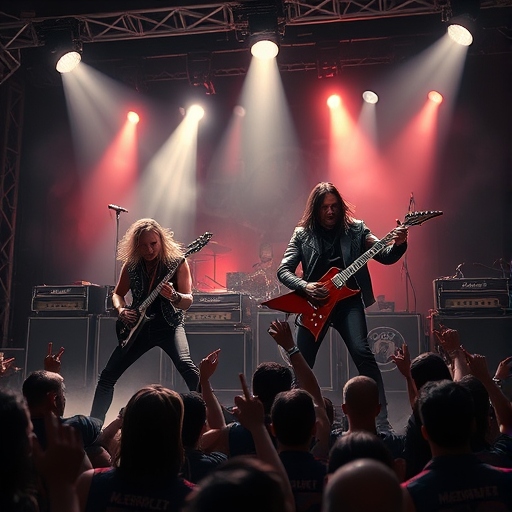
While pop and new wave ruled the airwaves, the 80s were also a golden age for heavy metal and hard rock. The decade saw the rise of bands that would go on to define the genre for generations to come. From the glam metal of bands like Mötley Crüe and Poison to the thrash metal of Metallica and Slayer, the 80s were a time of raw power, rebelliousness, and larger-than-life performances.
Mötley Crüe’s Shout at the Devil (1983) and Poison’s Look What the Cat Dragged In (1986) helped define the glam metal movement, which was characterized by big hair, flashy clothes, and hard-hitting rock anthems. These bands weren’t just about the music—they were about the lifestyle, the attitude, and the excess. Their music was loud, fun, and unapologetic, and their concerts were legendary for their over-the-top theatrics.
On the other end of the spectrum, thrash metal bands like Metallica, Slayer, and Megadeth brought a more aggressive, fast-paced sound to the forefront. Metallica’s Master of Puppets (1986) is often considered one of the greatest heavy metal albums of all time, and tracks like “Enter Sandman” and “One” became anthems for a generation of fans who craved intensity and power.
The Birth of Hip-Hop
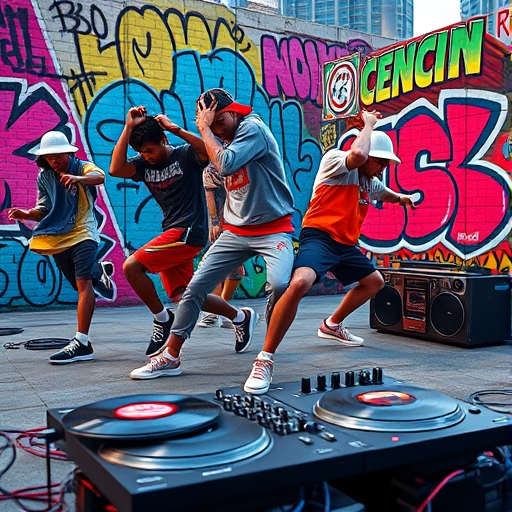
Perhaps the most significant musical movement of the 1980s was the rise of hip-hop, a genre that would go on to dominate music and culture for decades to come. Hip-hop emerged from the streets of New York City, and by the mid-80s, it was taking over the airwaves. Artists like Run-D.M.C., LL Cool J, and Public Enemy helped bring hip-hop into the mainstream, while pioneers like Grandmaster Flash and the Furious Five, The Sugarhill Gang, and Kurtis Blow laid the foundation for the genre’s growth.
Run-D.M.C.’s self-titled album (1984) was a game-changer, fusing rock and rap in a way that had never been done before. Their collaboration with Aerosmith on “Walk This Way” introduced hip-hop to rock fans, and it became one of the most iconic songs of the decade. LL Cool J’s Radio (1985) helped solidify him as one of the first rap superstars, while Public Enemy’s It Takes a Nation of Millions to Hold Us Back (1988) brought social consciousness to hip-hop, using the genre as a platform for political activism.
The 80s also saw the rise of the DJ, with figures like Grandmaster Flash, Afrika Bambaataa, and DJ Kool Herc becoming legends in their own right. Hip-hop was not just about rapping—it was about the culture, the beats, and the art of turntablism. The 80s laid the groundwork for what would become one of the most influential genres in music history.
The Enduring Legacy of 1980s Music
Looking back at the music of the 1980s is like revisiting a golden era of sound. The 80s were a time of experimentation, where artists weren’t afraid to push boundaries and explore new sounds. Whether it was the pop revolution brought on by Michael Jackson and Madonna, the rise of hip-hop, or the explosion of new wave and synth-pop, the 80s were a time of musical innovation.
Today, the music of the 80s continues to influence modern music, fashion, and culture. From the neon colors and big hair of the 80s influencing today’s fashion trends, to the resurgence of synth-heavy music in today’s pop and electronic scenes, the legacy of 1980s music is undeniable. The 80s were a time of excess, creativity, and cultural transformation, and the music of that decade will continue to captivate us for generations to come.
 Totally Retro: 80s Edition
Leave a comment