The 1980s were a magical time for children, a decade when imagination and creativity flourished, fueled by a wave of groundbreaking toys that captured the hearts and minds of kids around the globe. It was a period when toys were more than just playthings; they became cultural phenomena, deeply intertwined with cartoons, comics, and even the earliest days of video games. The toys of the 1980s weren’t just objects; they were gateways to adventure, storytelling, and social bonding. For those who grew up during this time, these toys evoke a flood of memories, a reminder of endless afternoons spent crafting epic battles, building dream worlds, or racing down imaginary highways. Let’s open the toy chest of the 1980s and rediscover the magic that defined a generation.

The 1980s marked the golden age of action figures, a time when small plastic heroes and villains ruled the toy aisles. One of the most iconic lines was G.I. Joe: A Real American Hero. Introduced by Hasbro in 1982, the reimagined G.I. Joe figures stood at 3.75 inches tall, a size that allowed for greater affordability and portability compared to the larger 12-inch figures of the past. What made these figures revolutionary was their articulation—each figure could bend at the knees, elbows, and hips, making them perfect for dynamic poses and action-packed adventures. Accompanying the toys was a hit cartoon series and a Marvel comic book line, which introduced kids to a vast universe of characters, each with their own backstory, personality, and signature weaponry. From Duke, the noble leader of the Joes, to Cobra Commander, the sinister head of the Cobra organization, these figures became the centerpiece of countless battles staged on bedroom floors and backyard battlefields.
Another standout in the action figure realm was He-Man and the Masters of the Universe. Released by Mattel in 1981, this line of figures brought together elements of science fiction, fantasy, and muscle-bound heroics. He-Man, with his battle cry of “By the power of Grayskull!” became a household name, leading the charge against Skeletor and his minions. The accompanying animated series was groundbreaking, offering children not only entertainment but also moral lessons at the end of each episode. The toy line featured a range of innovative accessories and playsets, most notably Castle Grayskull, a towering fortress that became the ultimate battleground for good versus evil. Each figure was designed with unique features—Trap Jaw had interchangeable weapons for an arm, while Man-E-Faces could rotate his head to reveal different personas. The creativity and diversity of the Masters of the Universe line ensured its place as a defining toy of the decade.
The Teenage Mutant Ninja Turtles stormed onto the scene in 1988, bringing a unique blend of humor, action, and quirky characters. Originally a dark and gritty comic book, the franchise was adapted into a lighthearted animated series that introduced the world to Leonardo, Michelangelo, Donatello, and Raphael—four pizza-loving, crime-fighting turtles trained in ninjitsu by their rat mentor, Splinter. The toy line, produced by Playmates Toys, was a runaway success, featuring an extensive roster of heroes, villains, and vehicles. From the iconic Turtle Van to the hilariously named villains like Bebop and Rocksteady, the Turtles’ universe was brought to life in vivid detail. Each figure was packed with personality, and kids loved collecting their favorite characters to reenact scenes from the show or create their own turtle adventures.
Transformers was another groundbreaking toy line of the 1980s, combining the appeal of action figures with the novelty of mechanical engineering. Launched in 1984 by Hasbro, the Transformers toys could shift from vehicles to robots and back again, offering two toys in one. The accompanying animated series and comic books introduced kids to the battle between the heroic Autobots, led by Optimus Prime, and the evil Decepticons, commanded by Megatron. What set Transformers apart was their complexity—transforming these toys required a certain level of skill and patience, which only added to their appeal. The figures were incredibly detailed, and each character had its own unique transformation, from cars and planes to cassette tapes and even dinosaurs. Transformers became more than just toys; they were engineering marvels that challenged and delighted kids in equal measure.
Dolls were another major category of 1980s toys, with lines like Barbie continuing to dominate the market while new competitors emerged to capture the imaginations of young girls. Barbie, a perennial favorite, adapted to the trends of the decade with fashion-forward outfits, glamorous accessories, and themed playsets. From Dreamhouses to pink convertibles, Barbie’s world was one of aspiration and imagination. However, the 1980s also saw the rise of more diverse and innovative doll lines. The Cabbage Patch Kids, launched in 1983, became a nationwide craze, with each doll uniquely crafted to have its own appearance, name, and birth certificate. The appeal of these dolls lay in their individuality—no two were exactly alike—which made them feel like a one-of-a-kind treasure to their owners. The frenzy to own a Cabbage Patch Kid even led to stories of parents camping out in stores and braving long lines during the holiday season.
Another standout in the doll category was My Little Pony, introduced by Hasbro in 1982. These colorful, collectible ponies were adorned with unique symbols, known as “cutie marks,” and came with brushable manes and tails. My Little Pony was more than just a toy; it was a cultural phenomenon, inspiring an animated series, books, and even board games. The ponies encouraged nurturing play and appealed to a broad audience with their vibrant designs and whimsical backstories. The accompanying cartoon introduced kids to Ponyland, a magical world filled with adventure and friendship, further cementing the brand’s enduring legacy.

The 1980s were also a time of innovation in electronic toys and games, as advancements in technology opened up new possibilities for play. One of the most iconic electronic toys of the decade was the Nintendo Entertainment System (NES), released in 1985. The NES revolutionized home gaming, introducing players to now-classic titles like Super Mario Bros., The Legend of Zelda, and Metroid. The system’s simple yet addictive gameplay made it a hit with kids and adults alike, and it laid the foundation for the modern video game industry. The NES wasn’t just a toy; it was a cultural shift, transforming the way children interacted with technology and storytelling.
Handheld electronic games also became hugely popular during the 1980s, with devices like the Game & Watch series from Nintendo and the Tiger Electronics handhelds offering portable gaming experiences. These devices were perfect for on-the-go entertainment, featuring simple controls and engaging gameplay. Simon, the electronic memory game, was another standout of the era. Its flashing lights and musical tones challenged players to remember and replicate sequences, offering a fun and addictive test of memory and concentration.
Board games also enjoyed a resurgence in popularity during the 1980s, with classics like Monopoly and Scrabble joined by new entries that captured the imagination of kids and families. Trivial Pursuit, launched in 1981, became a cultural phenomenon, challenging players’ knowledge of history, entertainment, and pop culture. Another standout was Pictionary, which turned drawing into a competitive and hilarious group activity. These games brought families and friends together, creating shared memories and moments of laughter that have endured to this day.
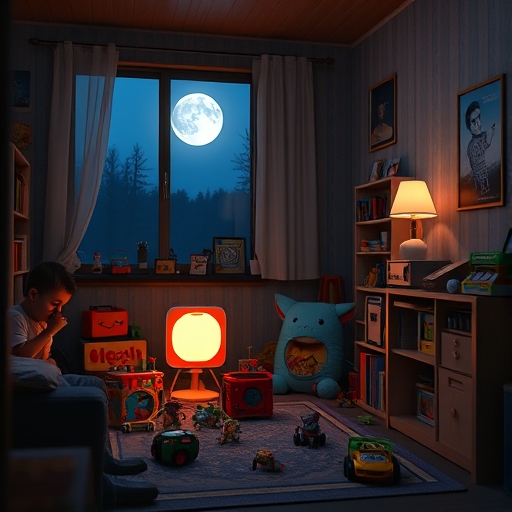
The decade wasn’t all about action figures and electronics; it also saw the rise of creative and educational toys that encouraged hands-on learning and artistic expression. LEGO, which had been around since the 1940s, gained new momentum in the 1980s with the introduction of themed sets like Space, Castle, and Pirates. These sets allowed kids to build intricate worlds and sparked endless creativity. Another beloved creative toy was Lite-Brite, which let children create glowing pictures by placing colorful pegs onto a backlit board. Play-Doh, with its vibrant colors and squishy texture, remained a staple of imaginative play, while new products like Spirograph and Etch A Sketch inspired budding artists to experiment with shapes and designs.
One of the most enduring legacies of 1980s toys is the way they bridged the gap between entertainment and marketing. Many of the decade’s most popular toys were tied to TV shows, movies, and comics, creating a synergy that fueled their success. Shows like He-Man, Transformers, and Teenage Mutant Ninja Turtles weren’t just cartoons; they were 30-minute advertisements for the toys, a strategy that proved wildly effective. This era also saw the rise of Saturday morning cartoons as a marketing powerhouse, with kids eagerly tuning in to watch their favorite characters and then begging their parents for the corresponding toys.
The toys of the 1980s weren’t just playthings; they were cultural touchstones that shaped the childhoods of millions. They represented a time when imagination and creativity were king, when a simple action figure or board game could transport a child to another world. For those who grew up in the 1980s, these toys are more than just nostalgic relics; they are symbols of a simpler, more magical time. Whether it was the thrill of unwrapping a new Transformer, the joy of building a LEGO masterpiece, or the satisfaction of conquering a level on the NES, the toys of the 1980s created memories that will last a lifetime.
 Totally Retro: 80s Edition
Leave a comment