
The 1980s stand out as one of the most distinctive and transformative decades in modern history, shaping the world in ways that continue to echo through today’s culture, politics, and technology. For those who lived through it, the 1980s were a heady mix of optimism, conflict, innovation, and cultural revolution. A time when the world was divided between superpowers, yet the spirit of rebellion and change simmered just beneath the surface, waiting to burst forth. It was a decade where music, fashion, and film seemed to create an endless cycle of iconic moments, while geopolitical tensions and social movements laid the groundwork for the future. The world moved faster in the 1980s, both in terms of technology and culture. The landscape was constantly shifting, whether it was through the rise of personal computers, the fall of political walls, or the unforgettable sounds of synth-driven pop.
The 1980s opened with the United States, under President Ronald Reagan, taking center stage on the world stage. Reagan’s election in 1980 marked a clear shift toward conservative values and the beginning of a new era in U.S. politics. His administration was characterized by a firm stance against the Soviet Union, which would dominate much of the global discourse. The Cold War, which had been raging since the late 1940s, entered its most tense period in the early years of the decade. The U.S. and the USSR seemed locked in a battle of ideologies, each determined to prove their political and economic systems superior. Reagan’s “Evil Empire” speech and his 1983 Strategic Defense Initiative, colloquially known as “Star Wars,” solidified the image of a world on the brink, while military build-ups, arms races, and proxy wars shaped much of the global conflict.

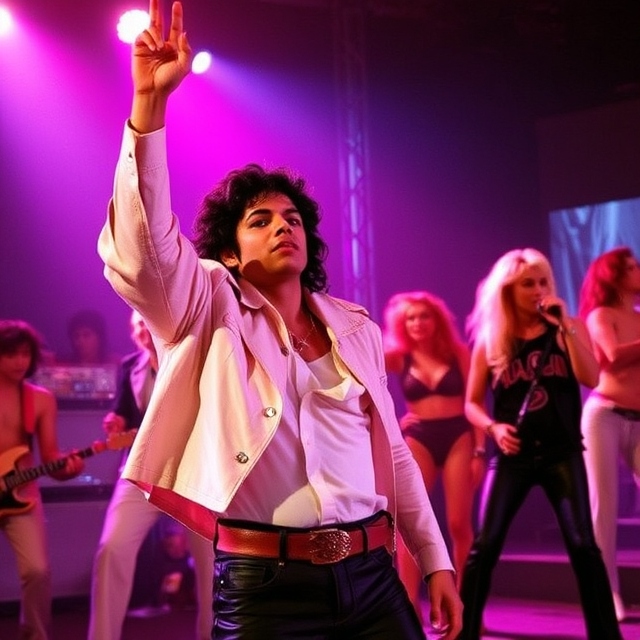
At the same time, the cultural landscape of the 1980s was evolving with an energy that felt uncontainable. Music was at the forefront of this revolution. The decade was ruled by the power of the music video, thanks to the launch of MTV in 1981. The new medium brought music into the homes of millions with a visual style that redefined how music was consumed. Artists like Michael Jackson, Madonna, Prince, and Duran Duran became global superstars, and their videos were as much a part of their identities as their songs. Michael Jackson’s *Thriller* album, released in 1982, became an unprecedented success, and his innovative music videos broke new ground. The iconic music video for “Thriller,” with its cinematic storytelling and elaborate dance sequences, set a new standard for what was possible in the medium. Meanwhile, Madonna’s provocative imagery and empowering messages in songs like “Like a Virgin” and “Material Girl” established her as the Queen of Pop, someone who both defined and defied the norms of the time.
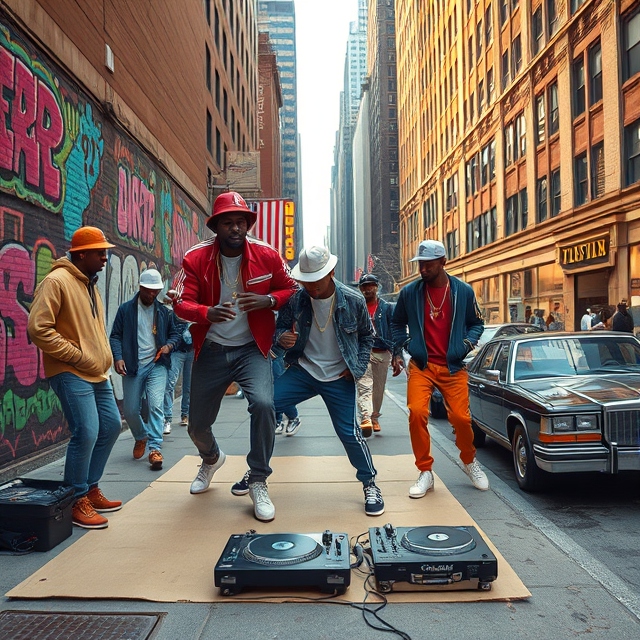
The rise of hip-hop was another defining characteristic of 1980s music. Emerging from the streets of New York, artists like Run-D.M.C., Public Enemy, and LL Cool J brought the genre into the mainstream, with bold lyrics addressing social issues, while delivering powerful beats that moved both the body and the mind. Hip-hop wasn’t just music—it was a cultural revolution, influencing fashion, language, and attitudes. The sound of the 1980s, with its rich diversity of genres from rock to rap, heavy metal to new wave, seemed to reflect the dynamic changes of the time.
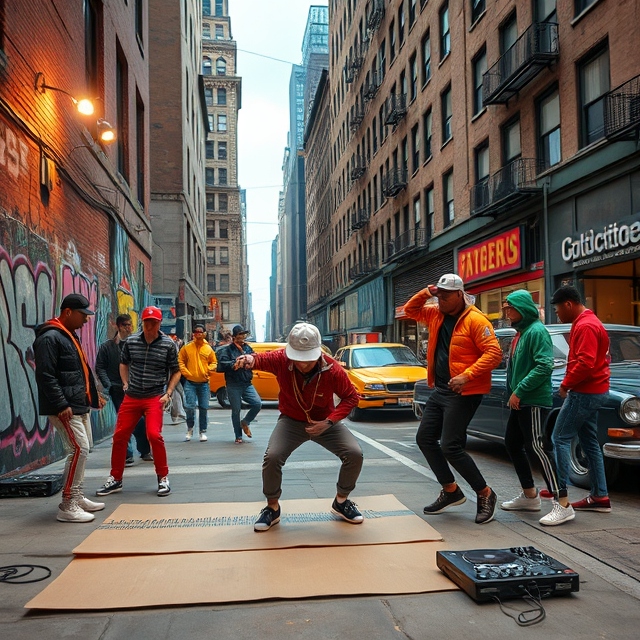
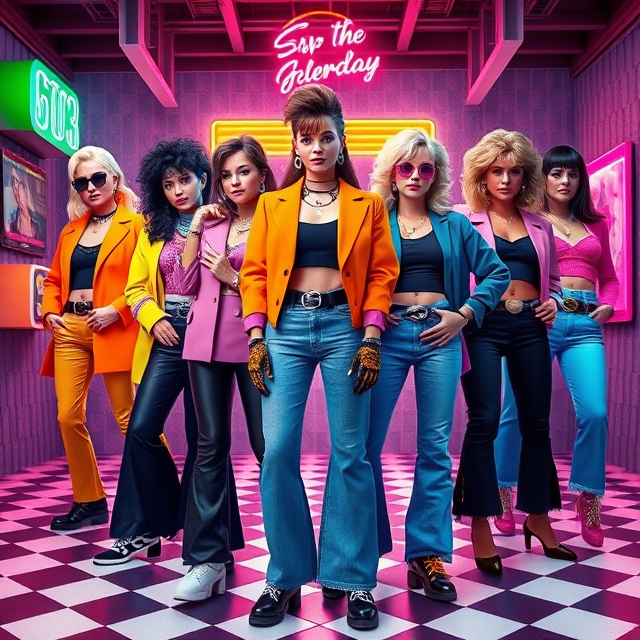
Fashion in the 1980s was bold, brash, and unmistakable. It was the decade of neon colors, oversized silhouettes, and rebellious self-expression. Shoulder pads, acid-washed jeans, scrunchies, and high-top sneakers became synonymous with the era, while designers like Gianni Versace and Vivienne Westwood used the decade as a canvas for their most extravagant and iconic creations. The fashion reflected the attitude of the time—confidence, excess, and an almost defiant sense of individuality. It wasn’t just about clothes; it was about making a statement. For many young people, the 1980s were a time to experiment with identity, and the fashion of the time provided the perfect vehicle for doing so.
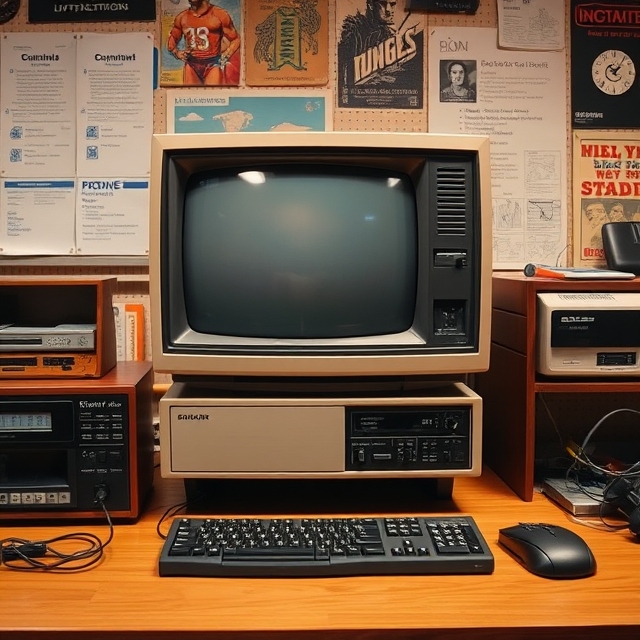
While the 1980s were undeniably a time of excess, they were also a period of profound technological transformation. The advent of personal computers revolutionized the way people lived and worked. In 1981, IBM introduced its first personal computer, and by 1984, Apple launched the Macintosh, which helped make computers accessible to the masses. The computer revolution of the 1980s laid the groundwork for the digital age, forever changing everything from business to communication. Meanwhile, the video game industry boomed, with consoles like the Nintendo Entertainment System (NES) and the Sega Master System becoming household staples, while arcade games like *Pac-Man* and *Space Invaders* ruled the streets. For a generation of kids, the 1980s were synonymous with late-night gaming sessions, collecting cartridges, and marveling at the pixelated worlds that felt like an escape into another dimension.


In the midst of this cultural explosion, there were moments of somber reflection. The 1980s were also marked by the devastation of the HIV/AIDS epidemic, which began to spread rapidly in the early part of the decade. The virus decimated communities, particularly in the LGBTQ+ population, and sparked widespread fear and misinformation. The government’s initial slow response to the crisis, along with the social stigma surrounding the disease, created a tragic and heartbreaking situation. The 1980s were also marked by economic challenges, including the 1981–1982 recession, rising unemployment, and an increasing divide between the wealthy and the poor. These economic pressures affected families across the globe, and many found themselves grappling with a rapidly changing world where the promise of prosperity wasn’t always realized.


The social movements of the 1980s were a response to these challenges and a reflection of the evolving cultural landscape. Feminism, civil rights, and environmentalism were at the forefront of many activists’ agendas. The women’s liberation movement gained significant ground, with figures like Gloria Steinem continuing to advocate for gender equality. The civil rights struggle was reignited in the face of economic inequality, while the growing awareness of environmental issues, like pollution and deforestation, spurred the first significant waves of global environmental activism. The 1980s were a time when people began to recognize that social justice wasn’t a distant ideal—it was something to be fought for every day.

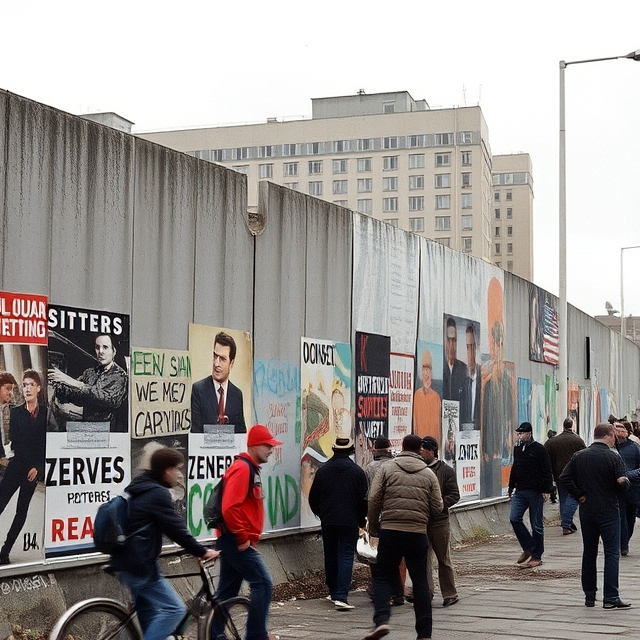
Perhaps one of the most significant moments of the 1980s came near the end of the decade when the Berlin Wall, the symbol of the division between East and West, finally began to crumble. In 1989, after years of political unrest and a rapidly changing global landscape, East Germany opened the gates to the West. The fall of the Berlin Wall marked the end of an era, signaling the approaching end of the Cold War. It was a moment of incredible hope and relief, and it laid the groundwork for the reunification of Germany and the eventual dissolution of the Soviet Union in 1991. For many, it was the end of a period of tension, an era that had loomed large over the previous few decades.


The 1980s were more than just a decade; they were a reflection of a world that was changing, sometimes at breakneck speed, while still holding on to traditions and values of the past. It was a time of excess and innovation, of political struggle and cultural renaissance. For those who lived through it, the 1980s were a golden age, one defined by its music, its fashion, its technology, and its unforgettable personalities. Even as the world moved into the next decade, the echoes of the 1980s lingered on, influencing everything from the music we listen to, to the films we watch, to the way we live our lives today. It was a decade that will never be forgotten, a decade of contradictions, dreams, and revolution, and for many, it remains one of the most exhilarating, exhilarating times in history.
 Totally Retro: 80s Edition
Leave a comment