The career landscape of the 1980s presents a fascinating contrast to the work environment of today. While the core idea of a career—a structured path of professional development—remains, the tools, expectations, industries, and societal norms surrounding work have undergone dramatic transformations. Examining these changes offers insights into how economic, technological, and cultural shifts have shaped the modern workplace.
Stability and Loyalty in the 1980s
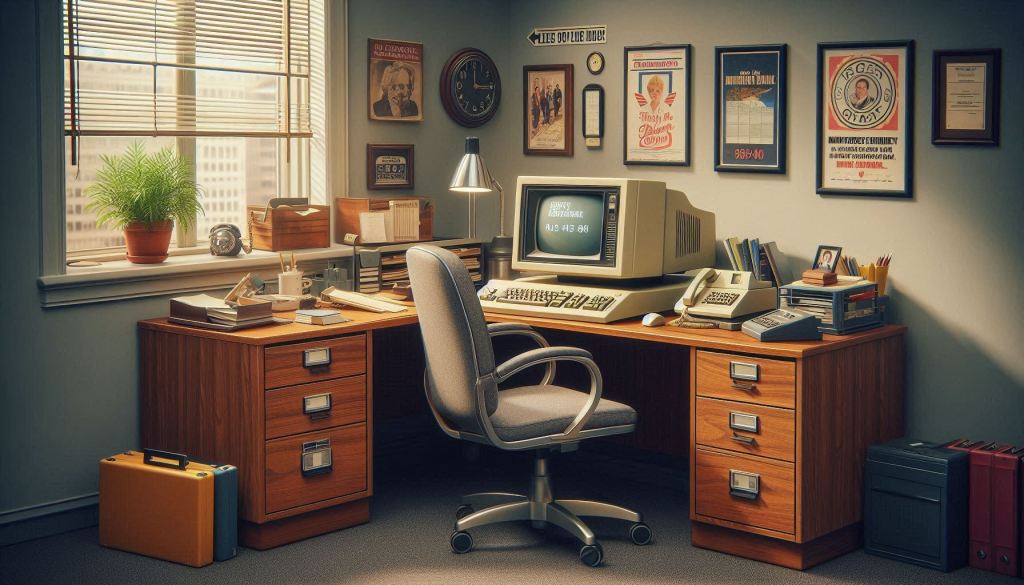
The 1980s were often characterized by stability and loyalty in the workplace. Employees frequently remained with a single company for decades, with the expectation of climbing the corporate ladder through consistent performance and seniority. Job-hopping, now a common feature of modern careers, was less prevalent and often viewed as a sign of unreliability. Many professionals aspired to work for large, stable companies that offered defined career paths, pensions, and long-term job security.
Corporate loyalty was a two-way street in many industries during the 1980s. Employers invested in their employees’ development, offering robust training programs, mentorship opportunities, and benefits packages that often included health insurance, pensions, and bonuses. For many, this arrangement fostered a sense of belonging and identity tied closely to their employer.
Today, however, the concept of career stability has largely been replaced by a dynamic, fluid approach to work. Economic changes, such as the decline of manufacturing jobs and the rise of the gig economy, have reduced long-term job security. Many workers now embrace career flexibility, seeking opportunities that align with their personal and professional goals, even if that means changing jobs or industries frequently.
Technology in the Workplace
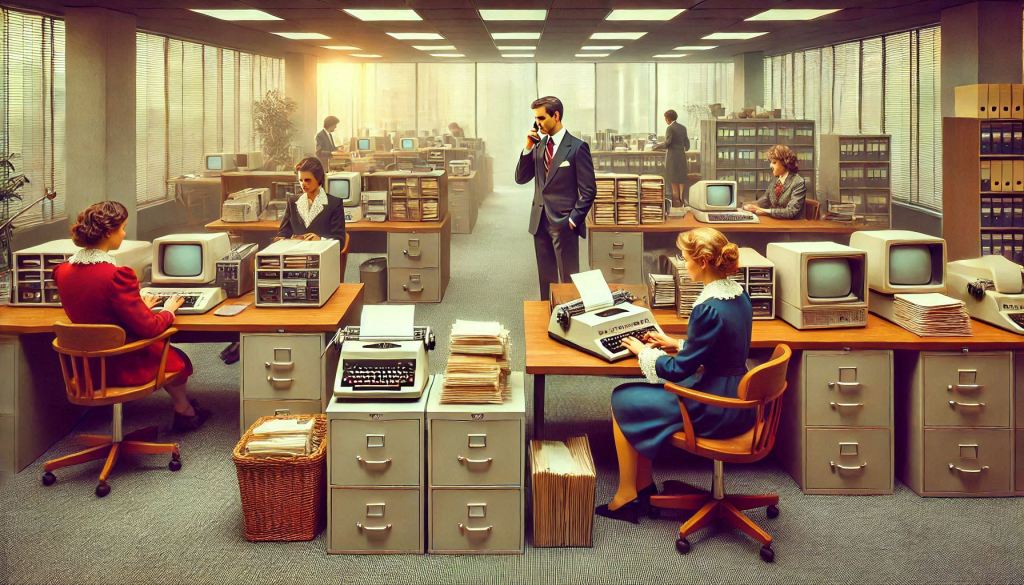
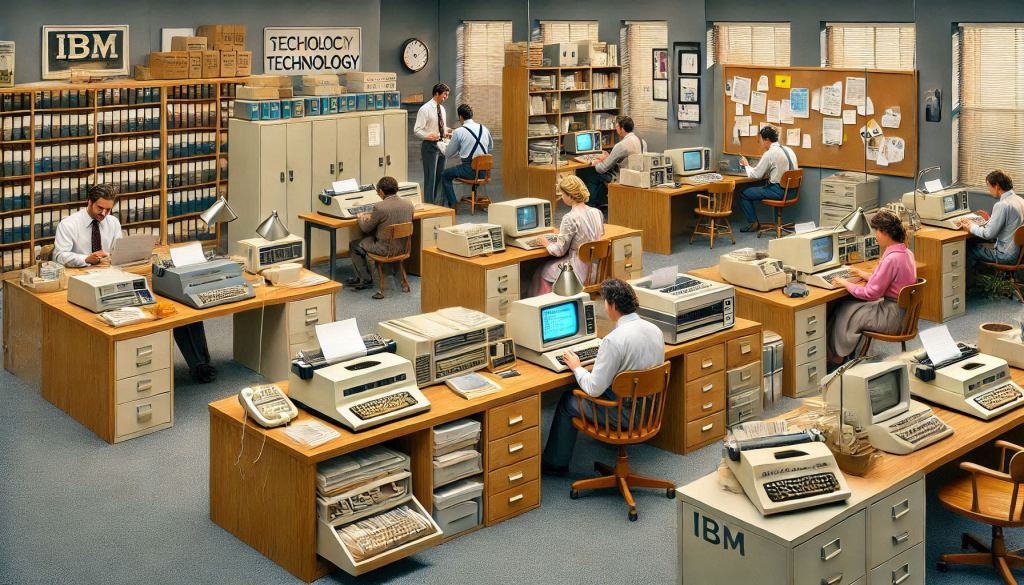
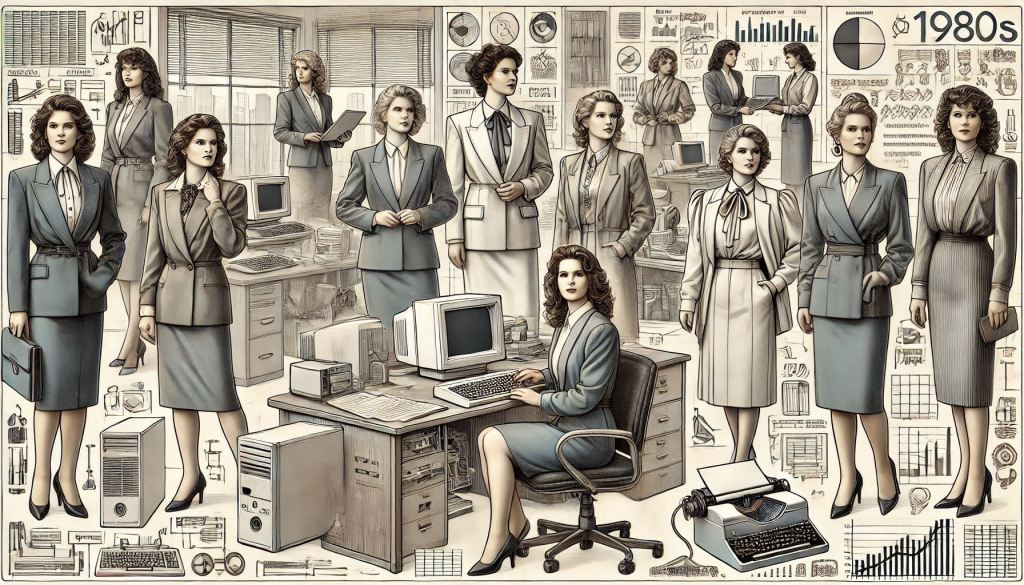
The 1980s workplace was only beginning to experience the impact of computerization. Offices were equipped with typewriters, fax machines, and early personal computers, such as the IBM PC, which debuted in 1981. Email was in its infancy, and communication relied heavily on phone calls, memos, and face-to-face meetings. Tasks like data entry, accounting, and document preparation were often time-consuming and required specialized staff.
In contrast, today’s workplace is defined by its reliance on advanced technology. The ubiquity of smartphones, cloud computing, and artificial intelligence has revolutionized how work is performed. Collaboration tools like Slack, Zoom, and Microsoft Teams allow for instant communication and remote work, breaking down the barriers of geography. Automation and software have streamlined processes, enabling businesses to operate more efficiently but also reducing the demand for certain types of manual labor.
While technology has increased productivity, it has also blurred the lines between work and personal life. In the 1980s, the workday typically ended when employees left the office. Today, the expectation of constant connectivity can lead to burnout, as workers feel compelled to check emails and respond to messages outside of traditional hours.
Dress Codes and Office Culture
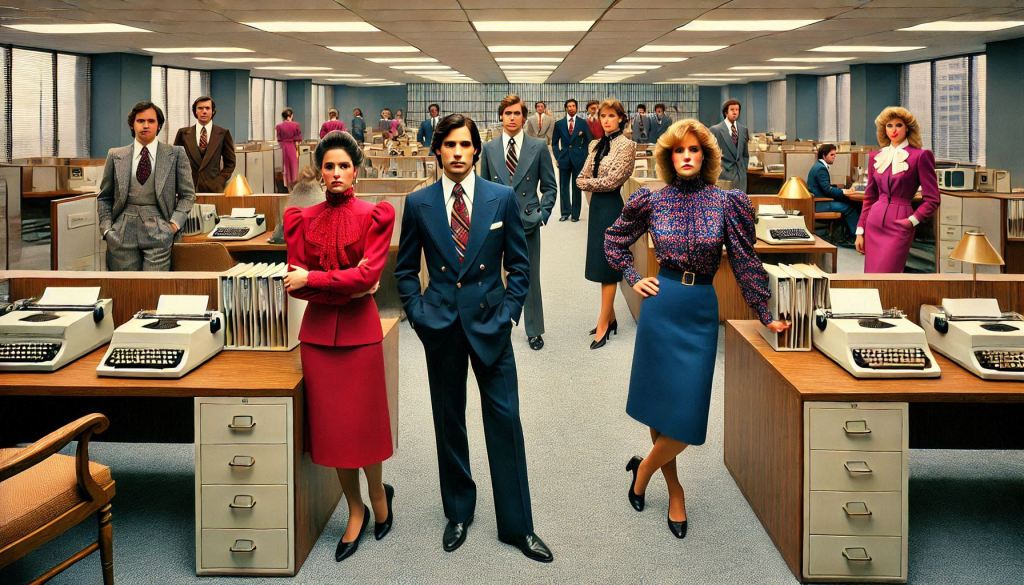
The 1980s had a formal and hierarchical office culture, particularly in industries like finance, law, and corporate management. Dress codes were strict, with men wearing suits and ties and women donning tailored dresses or skirts with blouses. Power dressing, epitomized by padded shoulders and bold colors, was a hallmark of the era, reflecting a focus on professionalism and ambition.
Modern workplaces are significantly more relaxed in terms of dress and culture. Casual Fridays have evolved into casual every day in many industries, with tech companies leading the charge toward jeans-and-sneakers work environments. Hierarchies have flattened, and open office plans aim to foster collaboration, though they often come at the expense of privacy.
The shift in office culture also reflects broader societal changes. Diversity, equity, and inclusion initiatives have gained prominence, and conversations around mental health, work-life balance, and employee well-being are more common. While the 1980s workplace was less likely to accommodate these concerns, today’s companies are increasingly recognizing their importance.
Career Paths and Education
In the 1980s, a traditional career path often began with a college degree or vocational training, followed by an entry-level position in a chosen field. Apprenticeships and trade schools were also popular routes for those pursuing careers in skilled trades. Career advancement was typically linear, with promotions based on tenure and performance.
Today’s career paths are far less predictable. The rise of online education, coding boot camps, and freelance platforms has democratized access to skills and opportunities, allowing individuals to pivot between industries or create unconventional career trajectories. Entrepreneurship has also become more accessible, thanks to digital tools that lower the barriers to starting a business.
However, this flexibility comes with challenges. The gig economy and contract work often lack the benefits and protections that full-time employees enjoyed in the 1980s. Workers today must be proactive in managing their careers, continually updating their skills to remain competitive in an ever-evolving job market.
The Role of Women in the Workforce
The 1980s saw a significant increase in women’s participation in the workforce, driven by shifting societal norms and economic necessity. However, women often faced limited opportunities for advancement and were underrepresented in leadership roles. Sexual harassment and gender discrimination were widespread issues, though less openly discussed than they are today.
In the modern workplace, gender diversity has improved, though challenges remain. Women are more likely to hold leadership positions, and movements like #MeToo have brought attention to workplace harassment, fostering a greater emphasis on creating safe and inclusive environments. Policies such as paid parental leave and flexible work arrangements aim to support work-life balance, though their implementation varies widely.
Economic Pressures and Globalization
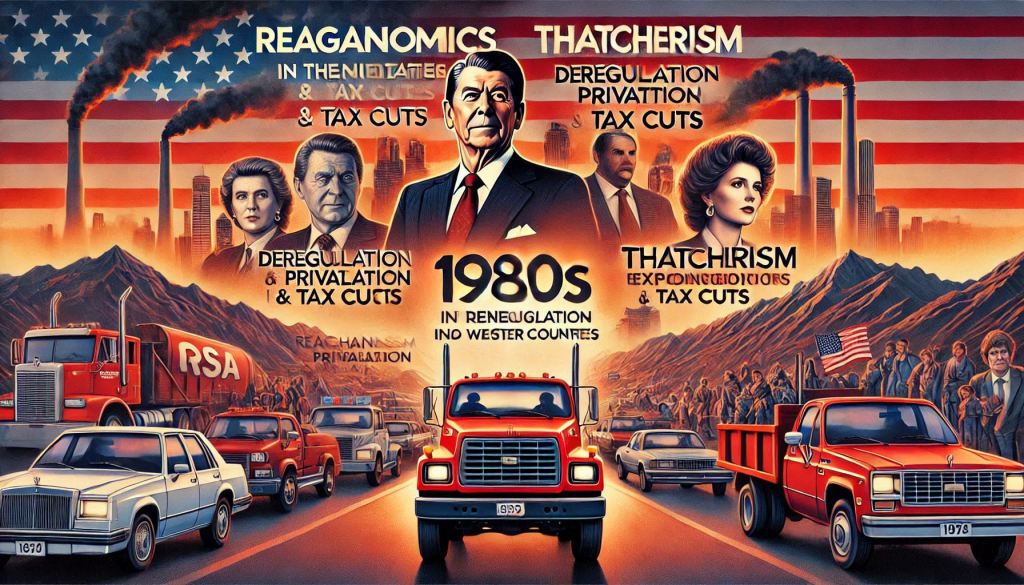
The 1980s were marked by economic turbulence, including the rise of Reaganomics in the United States and Thatcherism in the UK. These policies emphasized deregulation, privatization, and tax cuts, which reshaped industries and labor markets. Manufacturing jobs began to decline in many Western countries, giving way to service-oriented economies. At the same time, globalization was gaining momentum, with multinational corporations expanding their reach.
Today, globalization continues to influence careers, but it has been joined by other forces, such as the rise of automation and artificial intelligence. Outsourcing and remote work have created opportunities for global collaboration but also heightened competition. Workers must now navigate a complex landscape where jobs can be performed from virtually anywhere, increasing the demand for highly specialized skills.
Conclusion
The career experience of the 1980s, with its emphasis on stability, formality, and defined paths, feels worlds apart from the fast-paced, technology-driven environment of today. While modern careers offer greater flexibility and opportunities for innovation, they also demand adaptability and resilience in the face of constant change. By understanding these differences, we can appreciate how far the world of work has come and better prepare for the challenges and opportunities that lie ahead.
 Totally Retro: 80s Edition
Leave a comment