
The 1980s witnessed an unprecedented boom in fitness culture, a movement that transformed the way people approached exercise and health. This era’s fitness craze wasn’t just about staying active—it was a cultural revolution fueled by the rise of aerobics, the influence of celebrities like Jane Fonda, and the emergence of gyms as social hubs. It was a decade where exercise became synonymous with fashion, lifestyle, and self-expression, creating trends that continue to shape modern fitness.
The Aerobics Explosion
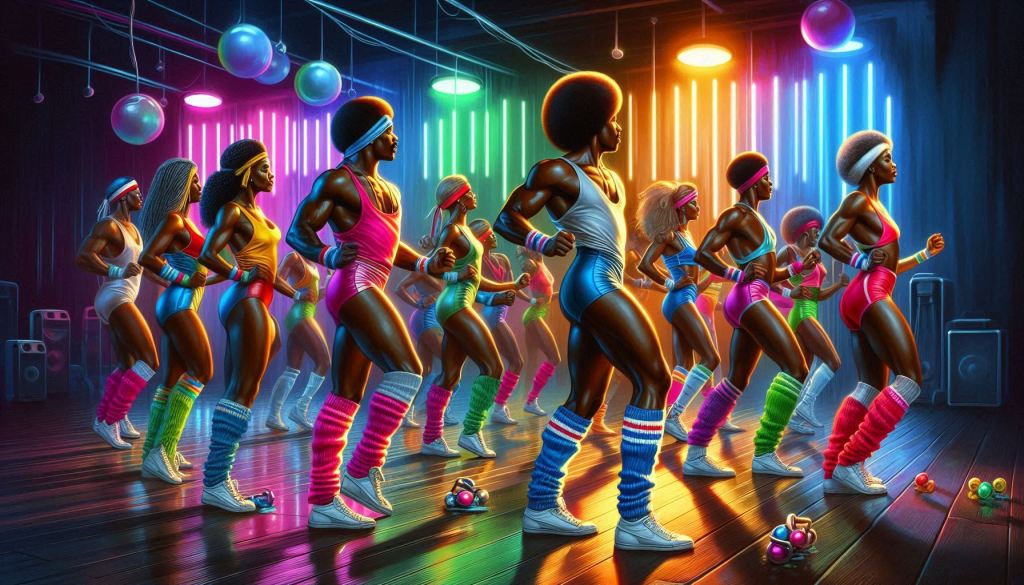
Aerobics, a dynamic form of exercise combining rhythmic movements with cardiovascular conditioning, became the hallmark of 1980s fitness. Invented in the late 1960s by Dr. Kenneth Cooper, aerobics gained traction as a form of preventive healthcare. However, it was in the 1980s that the practice truly exploded in popularity. Group aerobics classes, often held in brightly lit studios with mirrored walls, became a central fixture in fitness centers. These classes were driven by upbeat music, energetic instructors, and choreographed routines designed to elevate heart rates and boost endurance.
The allure of aerobics lay in its accessibility. Unlike weightlifting or running, aerobics was approachable for people of all ages and fitness levels. Classes ranged from low-impact sessions for beginners to high-intensity workouts for seasoned enthusiasts. This inclusivity attracted a broad audience, particularly women, who found aerobics to be a fun and social way to stay fit. The workouts were often set to popular music tracks, creating an atmosphere that felt more like a dance party than a rigorous exercise session.
The fashion associated with aerobics also played a significant role in its appeal. Neon-colored leotards, leg warmers, and headbands became iconic symbols of the era. These outfits weren’t just functional; they were statements of individuality and commitment to the fitness lifestyle. The vibrant aesthetics of aerobics culture mirrored the decade’s broader embrace of bold and flashy styles.
Jane Fonda: The Queen of Fitness
No discussion of 1980s fitness culture is complete without mentioning Jane Fonda, a Hollywood actress who became the face of the aerobics revolution. In 1982, Fonda released her first workout video, Jane Fonda’s Workout, which became an instant sensation. Her approachable demeanor, clear instructions, and focus on accessibility resonated with millions. The video’s success was unprecedented, selling over 17 million copies worldwide and becoming the highest-selling VHS of its time.
Fonda’s impact on fitness was profound. Her workouts emphasized body positivity and self-improvement, encouraging people to embrace exercise as a path to better health rather than a chore. She inspired countless individuals, particularly women, to take control of their fitness journeys. Fonda’s videos also brought exercise into the home, democratizing fitness in a way that gyms alone could not achieve. For those unable or unwilling to attend public classes, her tapes provided a convenient and affordable alternative.
Beyond her workout videos, Fonda’s advocacy for fitness extended to her public appearances and interviews. She championed the idea that exercise was not just about aesthetics but about longevity and well-being. Her influence cemented aerobics as a cultural phenomenon and positioned her as a role model for an entire generation.
The Birth of Gym Culture
While aerobics classes and home workouts thrived, the 1980s also saw the rise of gym culture as we know it today. Fitness centers became ubiquitous, evolving from small, niche establishments into sprawling facilities catering to diverse clientele. Chains like Gold’s Gym and Bally Total Fitness expanded rapidly, offering state-of-the-art equipment, personal training services, and group classes.
Gyms in the 1980s were more than just places to work out; they were social hubs where people could connect, network, and showcase their commitment to fitness. The rise of bodybuilding as a mainstream activity further fueled gym culture. Influenced by figures like Arnold Schwarzenegger and the popularity of films like Pumping Iron, weightlifting gained widespread appeal. For many, the gym became a symbol of dedication and self-discipline, embodying the decade’s emphasis on personal achievement.
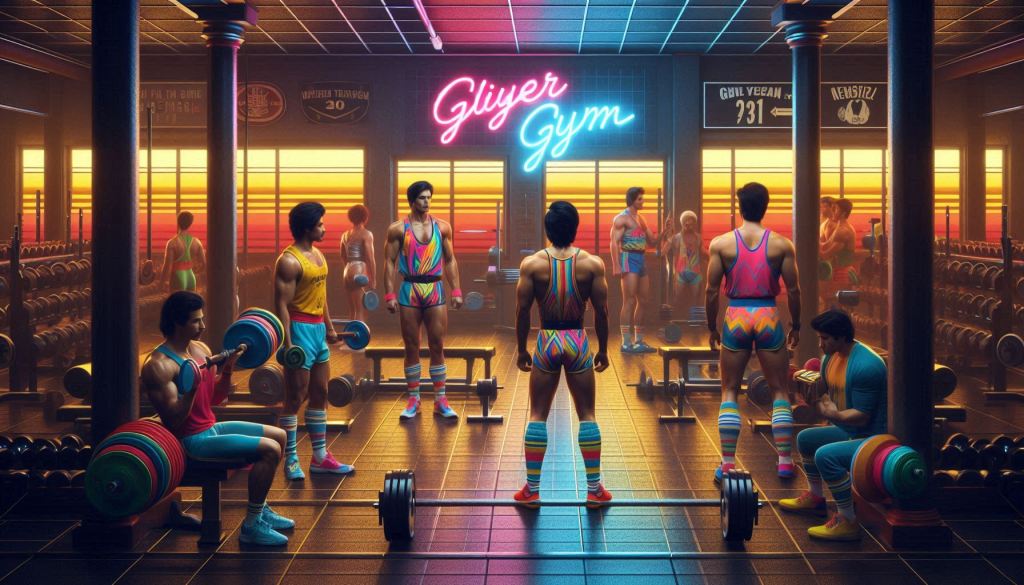
The fitness industry’s growth also led to technological advancements. Machines like treadmills, stationary bikes, and universal weight systems became standard features in gyms, making workouts more varied and efficient. These innovations, combined with the growing availability of fitness classes, created an environment where people could tailor their exercise routines to their preferences and goals.
The Role of Media and Advertising
Media played a crucial role in popularizing the 1980s fitness craze. Television programs, magazines, and advertisements all capitalized on the trend, promoting exercise as an essential part of a healthy lifestyle. Shows like 20 Minute Workout brought aerobics into living rooms across America, while fitness magazines such as Shape and Muscle & Fitness provided tips, routines, and inspiration.
Advertising further reinforced the connection between fitness and identity. Brands like Nike and Reebok launched marketing campaigns that celebrated athleticism and individualism. Nike’s iconic “Just Do It” slogan, introduced in 1988, encapsulated the decade’s go-getter mentality. Meanwhile, Reebok capitalized on the aerobics boom with its Freestyle sneakers, designed specifically for women’s fitness. These campaigns not only boosted sales but also cemented fitness as a cultural ideal.
Fitness as a Lifestyle
The 1980s fitness craze extended beyond the gym and into everyday life. Health-conscious diets became popular, with people embracing low-fat and low-calorie foods to complement their exercise routines. Products like Diet Coke and SnackWell’s gained popularity as consumers sought to align their eating habits with their fitness goals.
Corporate wellness programs also emerged during this time, reflecting the growing recognition of fitness’s role in productivity and employee well-being. Companies began offering gym memberships, on-site fitness classes, and health screenings as part of their benefits packages. This shift marked the beginning of a broader societal emphasis on preventive healthcare.
The Legacy of the 1980s Fitness Craze
The fitness movement of the 1980s left a lasting legacy that continues to influence modern exercise culture. Many of today’s trends, from boutique fitness studios to home workout apps, can trace their roots back to this transformative decade. The 1980s also laid the groundwork for the fitness industry’s commercialization, turning exercise into a multi-billion-dollar global market.
Perhaps most importantly, the 1980s fitness craze changed the way people viewed exercise. It shifted the narrative from fitness as a niche activity to a mainstream priority, fostering a culture that values health, self-care, and personal growth. By making fitness fun, accessible, and fashionable, the decade inspired millions to embrace an active lifestyle—a legacy that endures to this day.
Conclusion
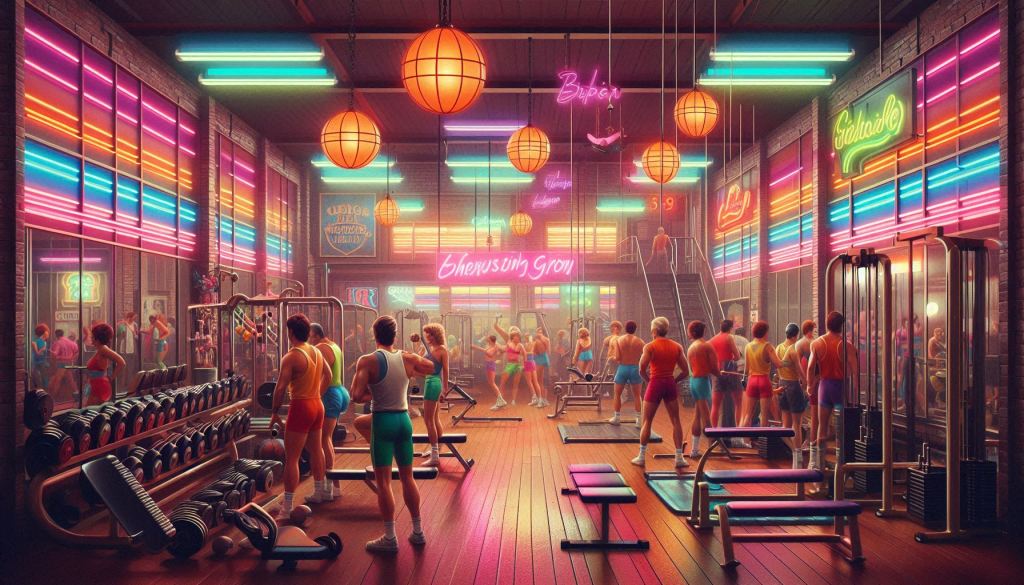
The 1980s was a decade of bold choices, vibrant energy, and cultural shifts, and the fitness craze was no exception. From the rhythmic beats of aerobics classes to the bustling gyms and iconic workout videos, the era redefined what it meant to be fit. Jane Fonda’s influence, the rise of gym culture, and the media’s embrace of fitness created a perfect storm that transformed exercise into a cultural phenomenon. Today, the echoes of this movement can still be felt, reminding us of a time when leg warmers and neon leotards were more than just fashion—they were symbols of a revolution in health and wellness.
 Totally Retro: 80s Edition
Leave a comment