
Few toys have captured hearts across generations quite like Monchhichi. With its endearing smile, plush body, and thumb-sucking feature, this charming monkey-like doll has left a lasting impact on toy culture worldwide. Monchhichi is more than just a toy; it represents nostalgia, innocence, and a bridge between past and present. This blog explores the history, design, cultural significance, and ongoing legacy of Monchhichi, a toy that continues to enchant collectors and children alike.
Origins and Early Development
Monchhichi’s inception dates back to 1974, when it was created by the Sekiguchi Corporation, a Japanese toy company. Yoshiharu Washino, the founder of Sekiguchi, sought to design a toy that could evoke feelings of love and peace among children—a vision that resonated deeply in the post-World War II era, when the world was undergoing significant social and cultural shifts. The aim was to craft a plush companion that embodied warmth, innocence, and comfort, qualities that were universally appealing to both children and parents.
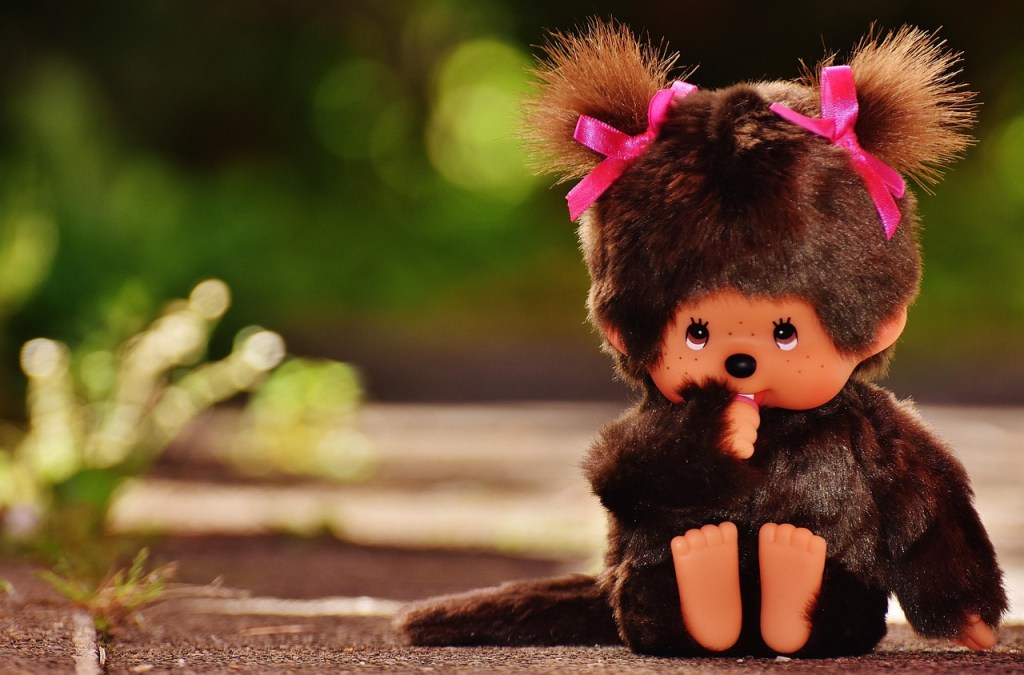
The first Monchhichi dolls were released in two versions: one male and one female. These initial versions featured a soft, huggable body made of plush fabric, complemented by plastic hands and feet that provided a durable yet flexible texture. The dolls’ most iconic feature—the thumb-sucking—was not just a cute quirk but a symbolic element that reinforced the doll’s nurturing appeal. The action of thumb-sucking, something babies do instinctively, added a sense of tenderness and vulnerability to Monchhichi, which encouraged caretaking behavior in children.
The name “Monchhichi” was carefully chosen to reinforce its playful and affectionate nature. “Mon” comes from the French word “mon,” which means “my,” while “chhichi” is an onomatopoeic sound inspired by the sucking noises that babies make while nursing or sucking their thumbs. This combination of words helped to communicate the central feature of the doll—its thumb-sucking action—and emphasized the emotional connection that children could form with their new, lovable friend.
After making an initial splash in Japan, Monchhichi’s gentle charm and heartwarming design quickly garnered attention in other parts of the world. It was first introduced to Europe, where it met with success, particularly in countries like France and Germany, before making its way across the Atlantic to North America. Its soft, approachable appearance, combined with the universal appeal of its thumb-sucking design, ensured that Monchhichi would become a beloved toy that transcended borders, languages, and cultures. This early success marked the beginning of a global phenomenon that would only grow in the years to come.
Design, Features, and Symbolism
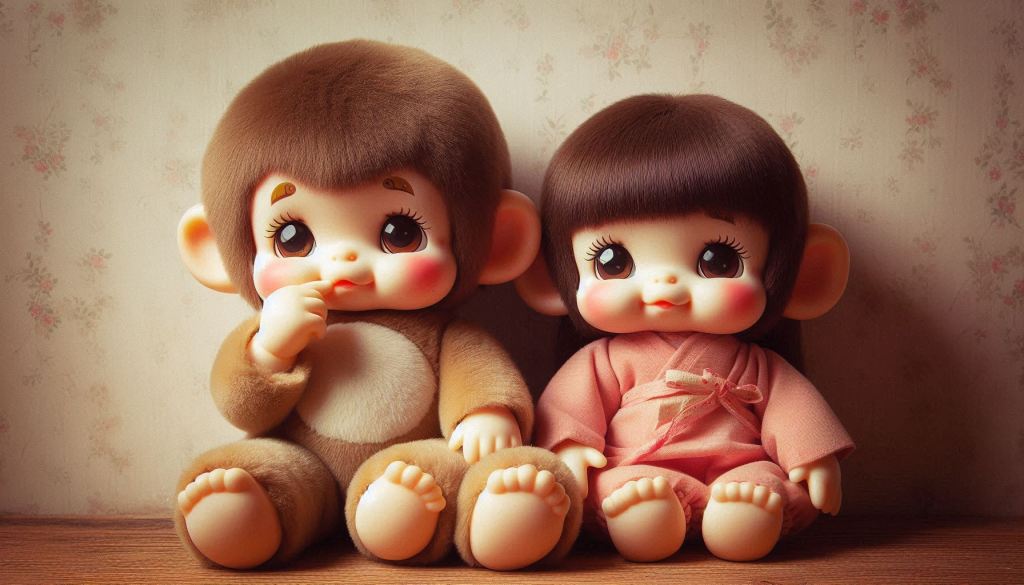
Monchhichi’s design is the epitome of simplicity with a timeless, endearing quality. The doll’s structure was carefully crafted to provide both durability and softness, making it a perfect companion for children. The head and limbs are made from soft, flexible vinyl, a material that is sturdy yet gentle enough for little hands to hold and play with. The body, on the other hand, is covered in plush fur, which provides a comforting and cuddly texture. This combination of materials not only made Monchhichi appealing to the touch but also gave it the perfect balance of strength and softness, allowing it to withstand the rough and tumble of playtime.
One of the most defining and beloved features of Monchhichi is its thumb-sucking ability. The act of sucking one’s thumb is deeply associated with comfort, security, and nurturing, qualities that are central to the toy’s appeal. This small but significant feature invites children to care for the doll, enhancing their sense of empathy and emotional connection. By mimicking a natural, soothing behavior, Monchhichi also reinforced the idea of companionship and tenderness, making it more than just a toy, but a figure that children could look to for emotional support and reassurance.
The toy’s facial features were designed to radiate warmth and kindness. With its round face, large, bright eyes, and gentle smile, Monchhichi immediately gives off an aura of friendliness. These features, along with its thumb-sucking, make Monchhichi appear approachable and non-threatening, which is why it resonated so deeply with children. The design was rooted in the idea that warmth and innocence could be conveyed through simple, yet expressive, features. The overall effect is one of a lovable and comforting companion, one that evokes positive emotions in those who interact with it.
Initially, Monchhichi was dressed in a simple red bib, a minimalist yet charming outfit that added to its adorable appeal. Over time, however, variations of Monchhichi were released, with dolls sporting different outfits and accessories to cater to diverse cultural preferences and trends. Whether dressed in traditional Japanese attire, holiday-themed outfits, or more contemporary fashion, each variation kept the core essence of the Monchhichi design while also adapting to local tastes and customs. These diverse outfits further solidified Monchhichi’s universal charm, as children around the world could see the doll reflect their own culture, interests, and personal style.
Symbolically, Monchhichi represents innocence, comfort, and the universal desire for companionship. Its simple yet expressive design transcended cultural and geographical barriers, making it a beloved figure across different regions and generations. The toy’s ability to evoke feelings of love, warmth, and nostalgia is a testament to its enduring appeal. By focusing on pure emotional connections, Monchhichi became more than just a toy—it became a symbol of childhood innocence and unconditional affection.

Marketing Strategies and Global Expansion
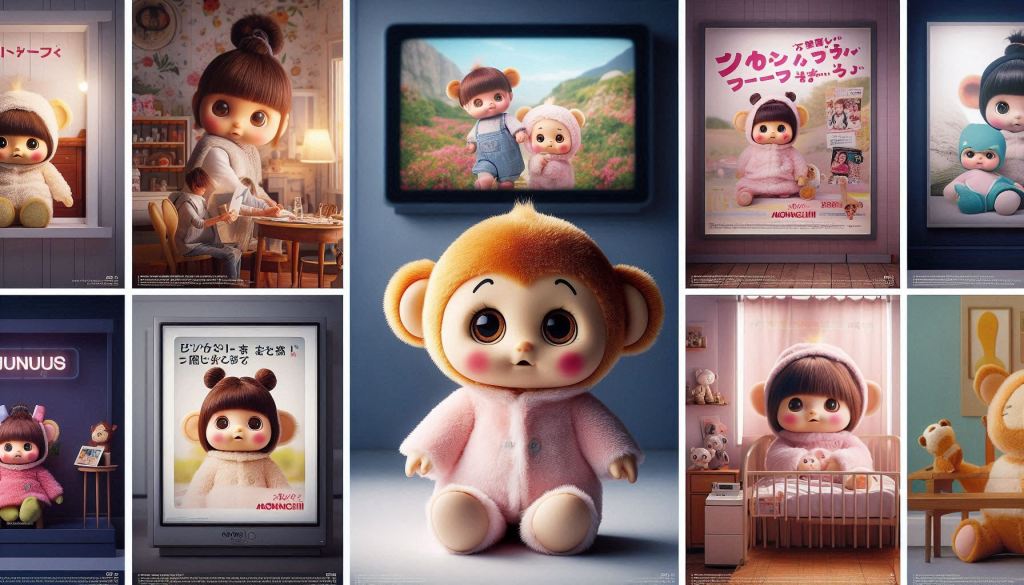
Sekiguchi’s marketing approach played a crucial role in Monchhichi’s global success. The company understood the emotional appeal of the toy and focused on creating a narrative that positioned Monchhichi as a comforting and lovable companion for children. Advertisements emphasized the doll’s gentle, endearing qualities, showing how Monchhichi could provide warmth and companionship. The toy was often portrayed as more than just a plaything—it was depicted as a friend that children could turn to for comfort, helping to build a strong emotional connection right from the outset.
In Japan, Monchhichi was initially sold in specialty toy stores and department stores, where its charm quickly caught the attention of parents and children. Sekiguchi recognized the importance of visibility, and soon the brand expanded into television advertising. These commercials featured the toy in lighthearted, whimsical settings, reinforcing the idea that Monchhichi was a source of joy and companionship. The use of television as a promotional platform helped build the toy’s presence in Japanese homes, creating a strong, lasting bond with the target audience. Additionally, promotional tie-ins with other media, including children’s television programs, further bolstered Monchhichi’s appeal.
As Monchhichi’s popularity soared in Japan, Sekiguchi set its sights on international markets, with Europe becoming the next major target. The European success story began in France, where the toy was rebranded as “Kiki.” This name change was a strategic move designed to make the toy more relatable to French children. The name “Kiki” created an emotional connection, evoking warmth and familiarity, which helped Monchhichi become a household name in France. By associating the toy with a name that resonated culturally, Sekiguchi successfully tailored its marketing to the local audience, ensuring that Monchhichi would be embraced with open arms.
Meanwhile, in Germany, Monchhichi retained its original name, further highlighting the brand’s international appeal. The German market embraced the toy with just slight modifications, such as different outfits or accessories, to cater to local tastes. Despite the slight branding and design variations, Monchhichi’s core identity as an adorable, lovable companion remained intact, helping it gain a loyal following among German children and families.
By the late 1970s and early 1980s, Monchhichi had successfully expanded into the North American market, where it became a cultural sensation. In the United States, Monchhichi was marketed as a soft, cuddly toy that could be both a playmate and a source of comfort. Its unique features, such as the thumb-sucking ability, helped set it apart from other dolls, while its warmth and charm resonated with children across the country. As it grew in popularity, Monchhichi began to attract the attention of collectors as well, further fueling demand. The brand’s reach extended across multiple markets, with Monchhichi becoming a beloved toy for children and a sought-after collectible for adults.
The clever marketing techniques employed by Sekiguchi allowed Monchhichi to break through cultural barriers and become a global phenomenon. Whether through rebranding, television advertising, or the creation of emotional connections with local audiences, Sekiguchi’s strategies ensured that Monchhichi’s appeal was felt worldwide. This widespread success set the stage for Monchhichi’s continued legacy as a beloved toy, cherished by children and collectors across generations.
The 1980s Boom and Cultural Impact
The 1980s marked a pivotal moment for Monchhichi, catapulting it from a beloved toy to a cultural sensation. This surge in popularity was not just about the toy itself but also about the changing landscape of children’s entertainment and the broader social trends of the time.
Television played a crucial role in Monchhichi’s rise. Saturating the airwaves with catchy jingles and heartwarming visuals, commercials helped cement Monchhichi’s image as a comforting companion. The advertisements were strategically designed to tap into the emotional appeal of the toy, showcasing it as more than just a product but a nurturing friend that could provide emotional comfort. Parents, who were more likely to purchase a toy they believed could offer security and warmth, found themselves drawn to Monchhichi’s gentle, non-threatening nature.
This wave of television advertising coincided with a blossoming era of children’s programming. The 1980s saw an explosion in the number of TV shows and cartoons designed specifically for children, creating an environment where certain toys could dominate the cultural conversation. Monchhichi didn’t just have commercials; it was a part of the broader narrative of childhood itself. TV spots often depicted the Monchhichi as a constant, ever-present companion, like a best friend who was always by your side. This helped to create an emotional bond between the children and the doll, making it feel like part of the family.
The charm of Monchhichi was further amplified by its versatility. Unlike action figures or dolls that were often tied to specific storylines or characters, Monchhichi didn’t have a rigid narrative. This made the toy far more flexible and open to interpretation. Children were free to project their own stories and ideas onto their Monchhichi dolls. The doll could be anyone—whether it was an explorer, a caretaker, or simply a friend. This open-ended play allowed Monchhichi to be incorporated into a wide variety of scenarios, encouraging children to explore their creativity and imagination.
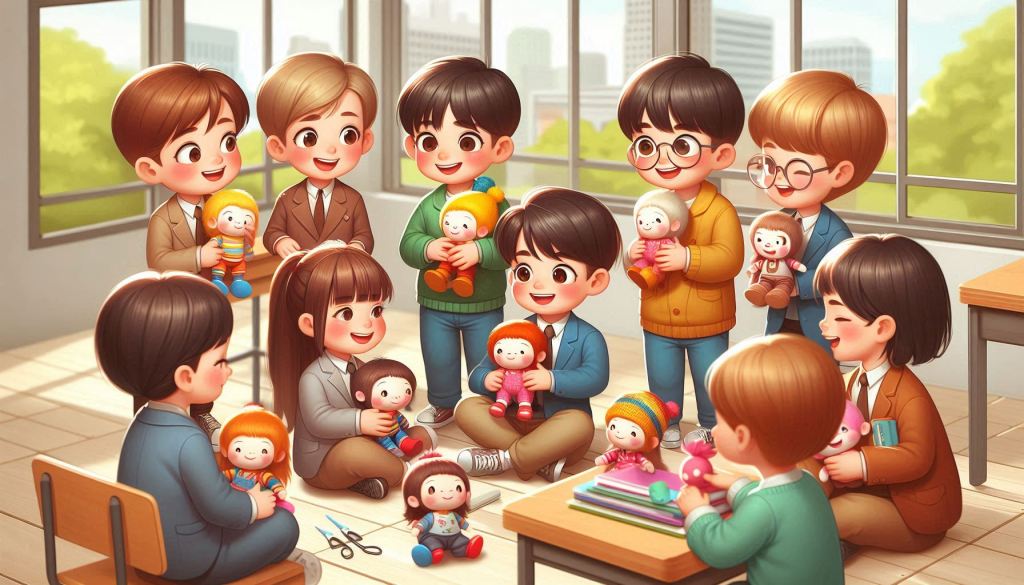
Schoolyards, playgrounds, and birthday parties became prime places for Monchhichi sightings. Kids carried them around, held them during lunchtime, or placed them beside their desks. Having a Monchhichi became somewhat of a status symbol among children, a sign that you were in tune with the latest and most comforting trend. Sharing Monchhichi dolls with friends fostered a sense of camaraderie and community. Children would exchange stories about their Monchhichis, often assigning them personalities and adventures, further enhancing the toy’s social cachet. These toys weren’t just objects—they were part of a collective experience that tied children together across playgrounds and neighborhoods.
The toy’s widespread appeal wasn’t just confined to children. Parents, who were generally more cautious about the toys they bought, were drawn to Monchhichi’s innocent and calming presence. The thumb-sucking feature, in particular, helped convey a sense of vulnerability, which resonated with parents’ protective instincts. They could trust Monchhichi as a safe and non-aggressive toy for their children, offering comfort in a world where the competition among toys was growing increasingly fierce.
The 1980s also saw a broader trend toward sentimental nostalgia, with many parents reminiscing about their own childhoods and wanting to give their children the same type of simple, comforting toys they had cherished. Monchhichi became a bridge to that simpler time. Its plush softness, combined with its playful yet comforting demeanor, evoked a sense of warmth and security that was invaluable during an era marked by economic uncertainty and the rapid pace of technological change. For children, the Monchhichi was a tangible, huggable escape from the increasing digitalization of entertainment and the shifting landscape of modern life.
In essence, the 1980s boom of Monchhichi was more than just a fleeting moment in toy history. It was part of a larger cultural movement that highlighted innocence, comfort, and emotional connection—values that resonated strongly with both children and parents. This era cemented Monchhichi’s status as not just a toy, but a cultural phenomenon that was able to transcend the toy aisles and make its mark in the hearts of generations to come.
Monchhichi in TV and Media
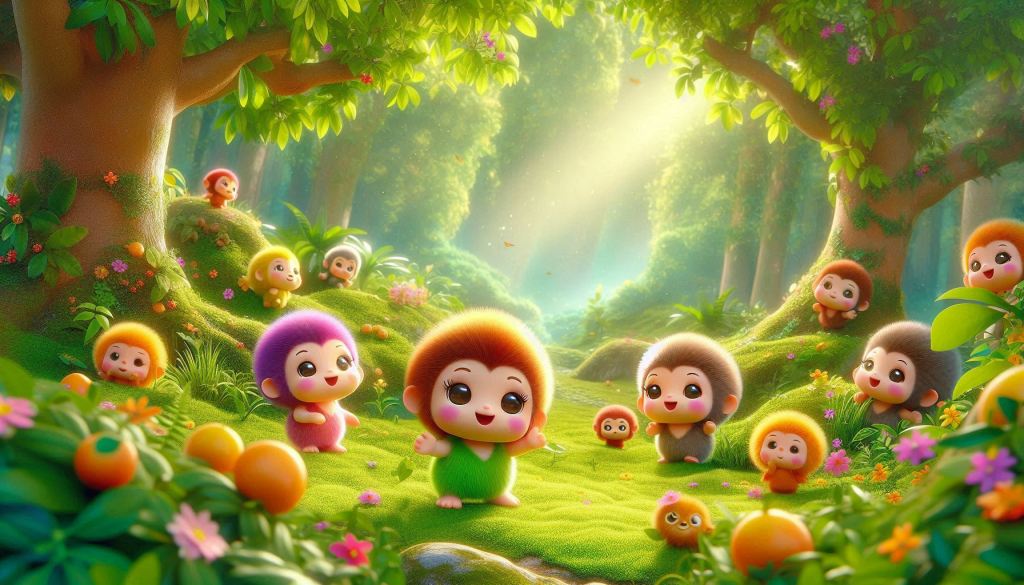
Recognizing Monchhichi’s immense popularity, various television adaptations were created to further market the toy. One of the most notable was the 1983 American animated series produced by Hanna-Barbera. The show introduced audiences to the whimsical world of Monchhichi, populated by adorable characters living in the Monchia forest. The storyline revolved around the Monchhichis’ adventures as they protected their peaceful home from the mischievous Grumplins, adding an element of excitement and moral lessons for young viewers. Though the show lasted for only one season, it played a crucial role in establishing Monchhichi as a household name in the United States.
Meanwhile, Monchhichi also became a beloved figure in European and Japanese media. In France, Monchhichi was rebranded as “Kiki” and made several appearances in children’s programming, solidifying its status as a cultural icon. Germany, too, saw an adaptation that introduced the toy to a broader audience. In Japan, Monchhichi was prominently featured in animated commercials and toy catalogs, further ingraining it into mainstream culture.
In later years, Monchhichi experienced a revival in television, particularly in Japan and France. In 2017, a new CGI-animated Monchhichi series was produced by Technicolor Animation Productions and aired internationally, bringing the classic characters to a new generation of children. This modern adaptation retained the essence of the original Monchhichi while incorporating contemporary animation styles, making it appealing to both nostalgic parents and young audiences.
Beyond dedicated TV shows, Monchhichi has been featured in various pop culture references, commercials, and media appearances. The toy has made cameo appearances in Japanese variety shows, vintage toy documentaries, and collector specials. Social media platforms have also played a role in keeping Monchhichi in the public eye, with influencers and toy enthusiasts sharing clips, commercials, and stop-motion animations featuring their beloved Monchhichi dolls.
The presence of Monchhichi in media has been instrumental in maintaining its relevance across decades. Whether through classic cartoons, modern animated adaptations, or nostalgic throwbacks, Monchhichi’s influence in entertainment continues to reinforce its status as one of the most enduring and heartwarming toy icons in history.

Decline and Later Revivals
Monchhichi’s decline in the 1990s was largely due to shifting trends in the toy industry. As video games, action figures, and electronic toys gained prominence, traditional plush dolls faced increased competition. The emergence of franchises like Pokémon, Tamagotchi, and Barbie’s expanding product lines overshadowed Monchhichi’s appeal. Additionally, the rise of animated television shows tied to toy sales meant that many new brands could sustain consumer interest through multimedia storytelling, a strategy that Monchhichi had not fully capitalized on during its peak.
Despite this decline, Sekiguchi remained committed to keeping Monchhichi relevant. The company continued producing the toy in Japan and select European markets, releasing special editions with unique outfits and regional variations to appeal to dedicated fans. While mass-market popularity had faded, Monchhichi never disappeared entirely, maintaining a niche presence through specialty toy shops and collector communities.
In the 2000s, Monchhichi began to experience a revival, driven in part by a wave of nostalgia among adults who had grown up with the toy. Collectors fueled renewed interest, seeking out vintage Monchhichi dolls from the 1970s and 1980s, while Sekiguchi capitalized on this by releasing anniversary editions featuring retro-inspired designs. Social media also played a pivotal role in Monchhichi’s resurgence, as fans shared childhood memories, showcased their collections, and engaged in restoration projects to bring old dolls back to life.
Collaborations with fashion brands and pop culture icons further boosted Monchhichi’s visibility. High-end designers and streetwear labels incorporated Monchhichi into their product lines, appealing to both nostalgic collectors and new audiences intrigued by its vintage charm. Limited-edition releases featuring Monchhichi in modernized outfits or crossover designs with other popular characters generated excitement among fans.
The resurgence was also fueled by a new wave of Monchhichi-themed media. In 2017, a CGI-animated Monchhichi television series was launched, introducing the beloved characters to a younger generation. This modern adaptation, produced in collaboration with Technicolor Animation Productions, helped expand Monchhichi’s presence in international markets, ensuring that it remained relevant in an era dominated by digital entertainment.
Today, Monchhichi enjoys a strong presence both as a collectible and a nostalgic icon. While it may never reach the widespread mainstream popularity it once held, its ability to adapt and find new audiences through specialty markets, online communities, and limited-edition collaborations ensures that Monchhichi continues to hold a cherished place in toy history.
The Collector’s Market and Rare Editions
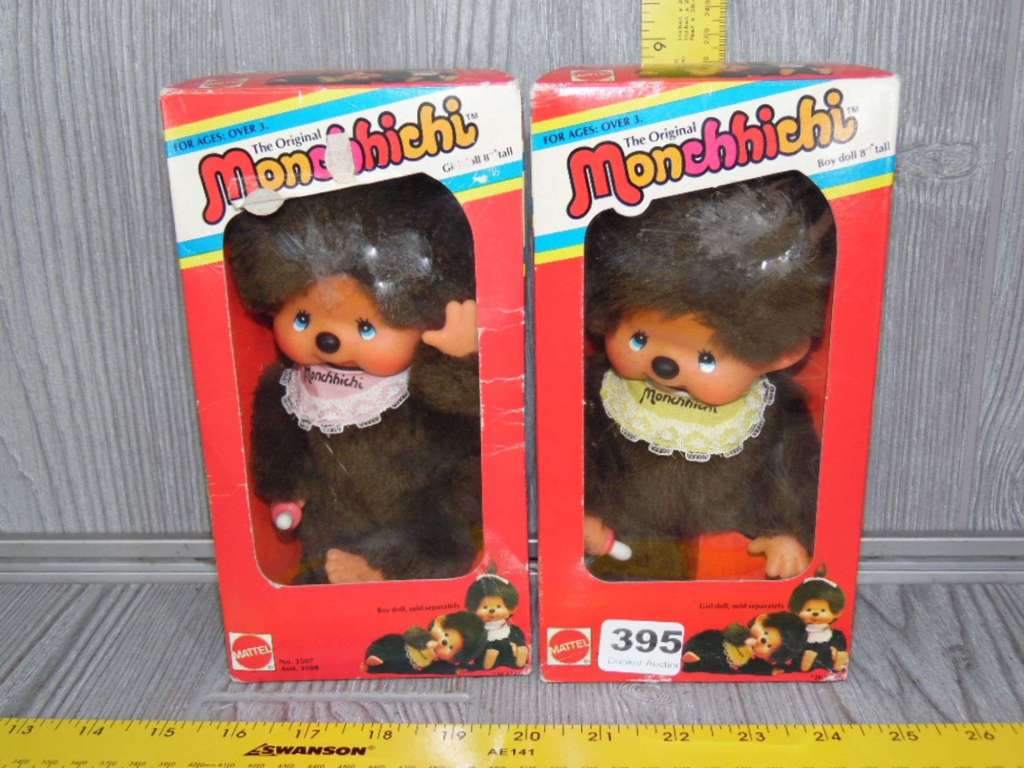
The Monchhichi collector’s market has grown steadily over the years, fueled by nostalgia, rarity, and the enduring charm of these beloved dolls. Vintage Monchhichi models from the 1970s and 1980s are particularly sought after, with original Japanese releases often commanding high prices on auction sites and collector forums. These early models, distinguishable by their softer plush material and distinctive facial expressions, are highly prized by enthusiasts looking to preserve the toy’s history.
One of the main factors that determine a Monchhichi’s value is its edition and condition. Limited-edition releases, especially those produced for anniversaries, holiday specials, or specific cultural markets, are among the most expensive and difficult to find. For example, Japanese-exclusive Monchhichi dolls dressed in traditional kimonos or regional attire often attract collectors from around the world. Similarly, European releases from the 1980s, including those under the “Kiki” branding in France, are highly desirable due to their unique design variations.
Collaborations with fashion brands, luxury designers, and pop culture franchises have also added to Monchhichi’s collectibility. Brands such as Gucci, Comme des Garçons, and Baby, The Stars Shine Bright have created exclusive Monchhichi editions, incorporating high-end fabrics, detailed accessories, and stylish outfits that appeal to both toy enthusiasts and fashion collectors. These crossover collaborations are often released in limited quantities, making them incredibly rare and valuable on the secondary market.
Toy conventions and specialty Monchhichi events have played a crucial role in the growth of the collector community. In Japan, dedicated Monchhichi exhibits and pop-up stores showcase rare editions and offer exclusive merchandise. Meanwhile, online marketplaces like eBay, Mercari, and Yahoo! Auctions Japan have made it easier for international collectors to acquire hard-to-find Monchhichi dolls, often at premium prices. Some rare models in mint condition, complete with original packaging and tags, have been known to sell for hundreds or even thousands of dollars.
Social media has further strengthened the Monchhichi collector scene. Enthusiasts gather in Facebook groups, Instagram pages, and online forums to share their collections, discuss restoration techniques, and trade or sell rare dolls. YouTube channels and TikTok videos dedicated to Monchhichi unboxings, history, and care tips have also contributed to the toy’s lasting appeal.
For many collectors, Monchhichi represents more than just a valuable item—it is a symbol of childhood nostalgia, fine craftsmanship, and cultural history. Online marketplaces, toy conventions, and social media groups have contributed to a thriving Monchhichi collector community, where enthusiasts share their prized possessions and hunt for rare finds.
Monchhichi’s Influence on Modern Toys
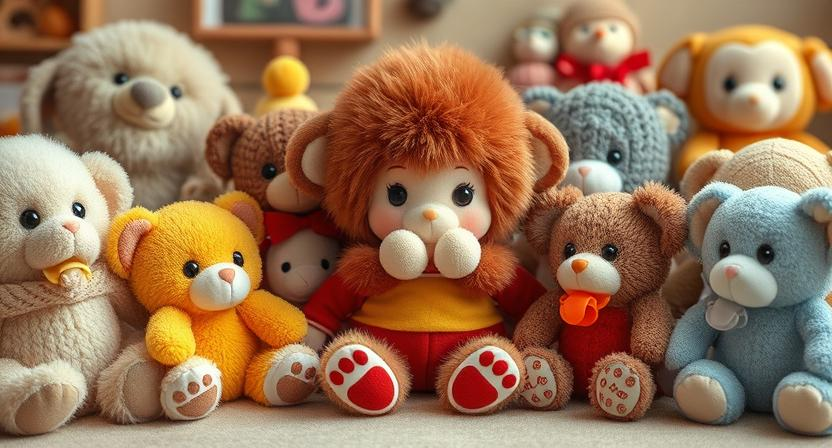
Monchhichi has had a significant impact on the evolution of plush toys and collectible dolls, influencing both their design and functionality. Its success demonstrated that a toy does not need to be complex to form a deep emotional connection with children and collectors. Many modern toys borrow key elements from Monchhichi’s design, including its soft, huggable texture, interactive features, and endearing facial expressions that evoke warmth and nostalgia.
One of Monchhichi’s most defining features is its combination of plush and plastic elements—a design choice that has since become a standard in the toy industry. While older plush dolls were often fully stuffed with fabric exteriors, Monchhichi’s use of vinyl hands and feet alongside a plush body created a unique texture contrast that enhanced its appeal. Many modern plush toys, including hybrid dolls and stuffed animals with hard plastic features, have followed this design principle to improve both durability and playability.
Another key innovation was Monchhichi’s thumb-sucking feature, which encouraged nurturing play and caregiving behavior. This simple yet interactive element has influenced the development of modern baby dolls and plush companions that emphasize emotional bonding. Today, many baby dolls include pacifiers, feeding accessories, or even built-in sucking mechanisms to mimic real infant behaviors, reinforcing the caregiving instincts that Monchhichi helped popularize.
Monchhichi also contributed to the growing demand for collectible and themed plush toys. Over the years, Monchhichi was released in various outfits, seasonal editions, and international variants, making it an appealing item for collectors. This approach has inspired modern toy brands to release limited-edition versions of plush characters, increasing demand and driving engagement. Many contemporary collectible dolls and plush toys, such as Beanie Babies, Care Bears, and themed Build-A-Bear releases, follow a similar model by offering a wide range of variations that appeal to both children and adult collectors.
The toy’s universal charm and adaptability have also influenced how modern plush toys are marketed. Monchhichi’s ability to transcend cultural and generational boundaries paved the way for many plush brands to create characters with timeless appeal. The success of toys like Squishmallows, which focus on simple yet expressive faces and soft textures, reflects the enduring appeal of Monchhichi’s design philosophy. Similarly, character-based plush toys from franchises like Pokémon and Disney incorporate elements of Monchhichi’s compact, huggable form, ensuring they remain cherished companions for children.
Even as new technology reshapes the toy industry, Monchhichi’s legacy remains evident. Many modern plush toys incorporate interactive elements, such as voice responses, movement, or sensory textures, yet they still rely on the same core principles that made Monchhichi beloved: warmth, comfort, and a simple yet engaging design. By pioneering a toy that blends tactile appeal with interactive play, Monchhichi set a standard for modern plush toys that continues to influence the market today.
Personal Stories and Nostalgia
For many, Monchhichi is more than just a toy—it represents cherished childhood memories. Parents who once owned Monchhichi now introduce it to their children, creating a generational bond. Fans often recall receiving Monchhichi as a birthday or holiday gift, carrying it around everywhere, or even forming emotional attachments to their plush companion.
Social media platforms have become a hub for Monchhichi nostalgia, with fans sharing old photos, personal anecdotes, and restoration projects of vintage Monchhichi dolls. The emotional connection people have with Monchhichi is a testament to its timeless appeal. Some enthusiasts even host meetups or virtual communities dedicated to discussing their collections and experiences.
Many recall how Monchhichi provided comfort during difficult times, becoming a source of reassurance in childhood. Stories abound of people keeping their Monchhichi dolls for decades, passing them down to younger generations, or restoring vintage ones to preserve their sentimental value. The toy has also been featured in wedding photos, travel adventures, and personal keepsake boxes, highlighting the deep emotional ties people maintain with Monchhichi.
Conclusion: The Enduring Legacy of Monchhichi
Monchhichi’s journey from a simple Japanese toy to a global phenomenon is a testament to its universal charm and emotional resonance. Despite periods of decline, it has managed to remain relevant through revivals, collector enthusiasm, and its strong nostalgic appeal.
As newer generations discover Monchhichi through re-releases and digital media, its legacy as an iconic and beloved toy continues. Whether as a cherished childhood companion, a collector’s gem, or a nostalgic relic, Monchhichi holds a special place in the hearts of many, proving that some toys truly stand the test of time.
 Totally Retro: 80s Edition
Leave a comment