The 1980s were a golden era for car enthusiasts. Whether you were cruising to the mall blasting hair metal, dreaming of supercar speeds, or watching your favorite TV hero drive a talking car, the decade had something for everyone. From turbocharged imports to boxy muscle cars, let’s take a trip down memory lane and revisit the most legendary rides of the 80s.
DeLorean DMC-12 (1981-1983)
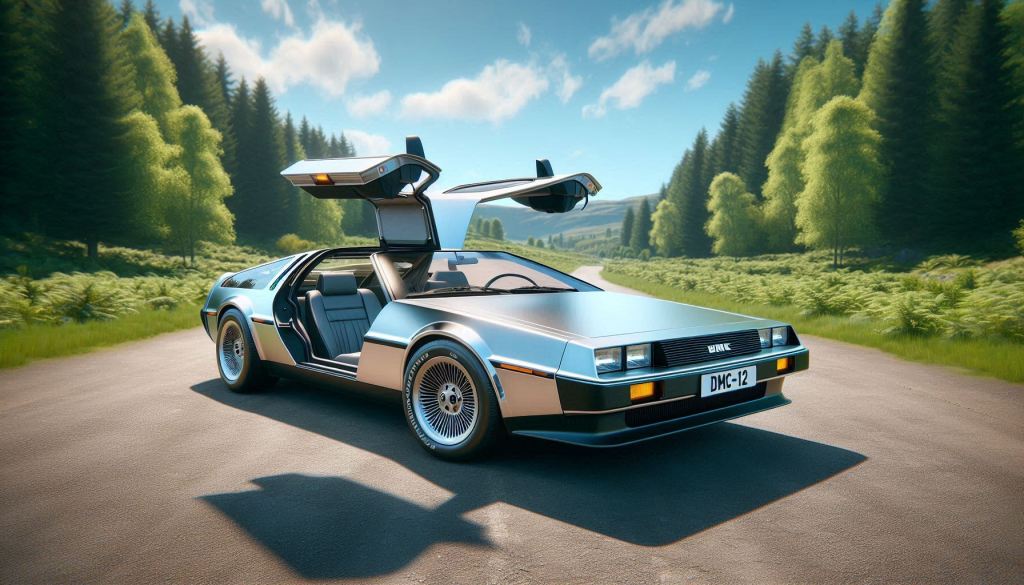
If there’s one car that screams 80s pop culture, it’s the DeLorean DMC-12. With its stainless steel body and iconic gullwing doors, the DeLorean became legendary thanks to Back to the Future. While its 2.8L V6 engine wasn’t the fastest on the road, producing only 130 horsepower, its futuristic looks made it one of the most recognizable cars of all time. The car’s production was short-lived due to financial struggles and the controversy surrounding its creator, John DeLorean. However, its status as a cult classic has only grown over time, with enthusiasts and collectors keeping the dream of time travel alive. Today, restored DeLoreans can fetch premium prices, and some even have electric motor swaps, bringing them into the modern era with a futuristic twist.
Ferrari Testarossa (1984-1996)

The Ferrari Testarossa wasn’t just a car; it was a statement. With its wide stance, striking side strakes, and a screaming 4.9L flat-12 engine producing 390 horsepower, this Italian masterpiece was the dream car of many 80s kids. It graced the streets of Miami in Miami Vice and adorned countless posters in teenage bedrooms. The Testarossa was not only fast, with a top speed of around 180 mph, but also surprisingly comfortable for a supercar, making it a grand touring vehicle as well. Its styling became synonymous with Ferrari’s design language in the 80s and inspired future generations of exotic cars. Even decades later, the Testarossa remains a highly sought-after collector’s car, symbolizing the excess and excitement of the 1980s.
Buick Grand National (1982-1987)
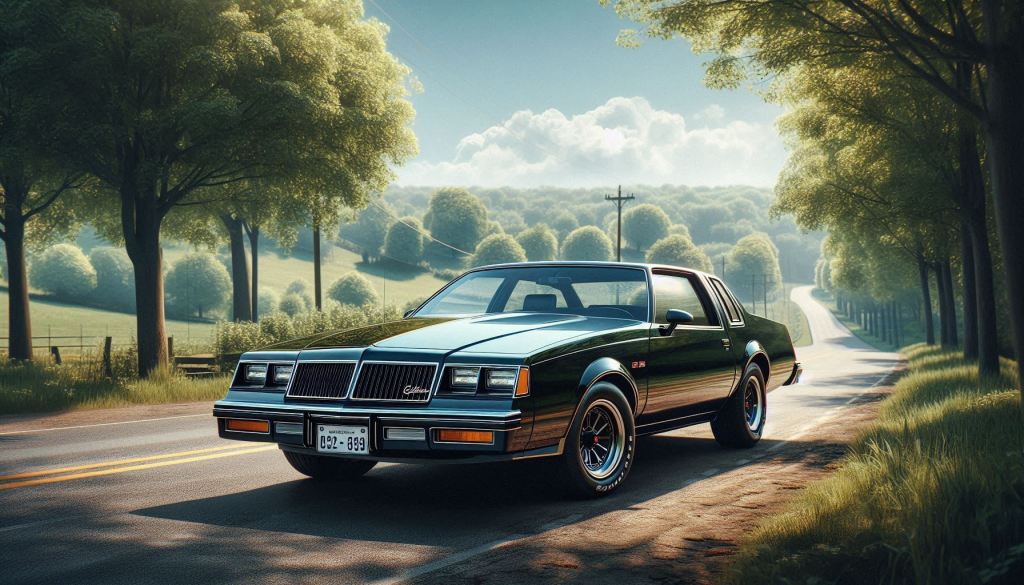
Muscle cars were struggling in the early 80s, but Buick brought them back in black. The Grand National, especially the 1987 GNX, was a turbocharged beast that could take down Corvettes and European exotics. With a 3.8L turbo V6 pushing out over 275 horsepower in the GNX variant, it proved that muscle cars weren’t dead—they just had a new, sinister look. The Grand National was a departure from traditional muscle car formulas, relying on turbocharging instead of large-displacement V8s, and it worked beautifully. The GNX model, in particular, was a limited-production monster, with only 547 units built, making it highly desirable today. Its blacked-out design and aggressive stance gave it a menacing presence on the road, earning it a place as one of the most iconic American cars of the decade.
Lamborghini Countach (1974-1990)

Though it debuted in the 70s, the Lamborghini Countach truly defined 80s excess. With its wedge-shaped design, scissor doors, and massive rear wing, it looked like a spaceship on wheels. Packing a monstrous V12 engine that grew from 3.9L to 5.2L in later models, the Countach was the ultimate status symbol for rock stars, celebrities, and those who wanted to make an entrance. It was not the most comfortable car to drive, with its heavy clutch and challenging visibility, but none of that mattered when you were behind the wheel of something that looked like it belonged in a sci-fi movie. The Countach’s design influenced many supercars that followed, and its legendary status continues to make it one of the most desirable classic Lamborghinis ever.
Ford Mustang SVO (1984-1986)

The Mustang underwent an interesting transformation in the 80s. While V8s were still popular, Ford experimented with turbo technology in the SVO. With a 2.3L turbocharged inline-4 producing 205 horsepower, improved suspension, and a sleek design, the SVO was a forward-thinking take on the classic pony car. Though it didn’t sell in massive numbers, it remains a cult favorite among enthusiasts. The SVO was lighter and more agile than its V8-powered counterparts, offering a unique driving experience that emphasized handling as much as straight-line speed. It also introduced innovations like a five-speed transmission and four-wheel disc brakes, which were rare in American cars of the time. Today, the SVO is a hidden gem in the Mustang world, appreciated by those who recognize its groundbreaking engineering.
Porsche 959 (1986-1988)

The Porsche 959 was way ahead of its time. As one of the first true supercars, it featured advanced all-wheel drive, a twin-turbo flat-six engine, and a top speed of nearly 200 mph. Originally built to dominate Group B rally racing, the 959 became a technological marvel that influenced future generations of high-performance cars. Its use of lightweight materials, electronically adjustable suspension, and aerodynamic design made it one of the most sophisticated cars of the era. Due to its limited production run of only 337 units, the 959 is now an ultra-rare collector’s item, with values soaring well into the millions.
Chevrolet Camaro IROC-Z (1985-1990)
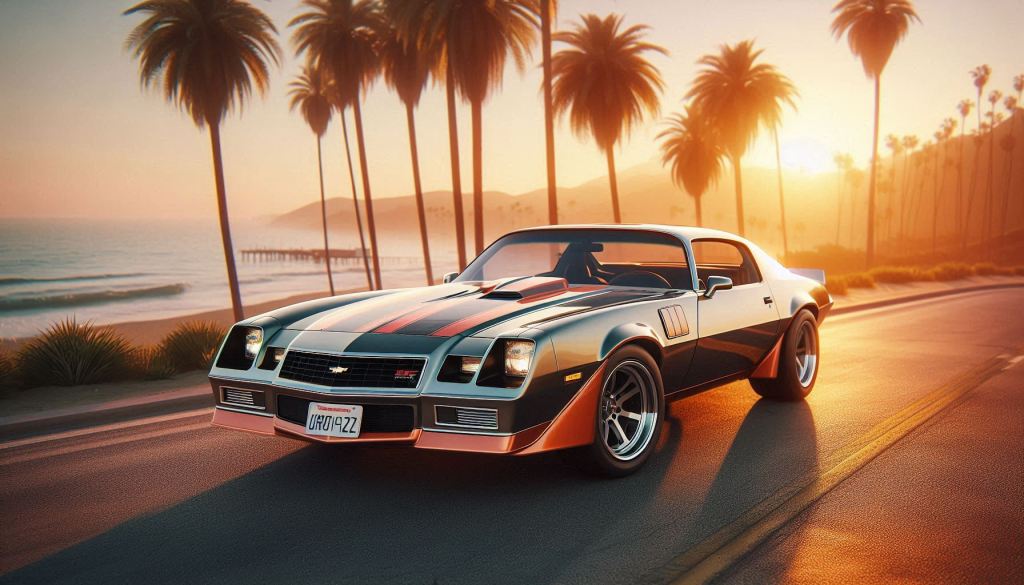
Nothing says 80s performance like an IROC-Z Camaro. Named after the International Race of Champions, this Camaro featured a tuned suspension, a sleek aerodynamic design, and a potent 5.7L V8 engine producing 225 horsepower. It was a staple at car meets, drag strips, and high school parking lots across America, proving that muscle cars were still alive and kicking. The IROC-Z not only looked aggressive but handled better than many of its predecessors, making it a favorite among Camaro fans. Today, well-maintained IROC-Z models are increasing in value as nostalgia for the 80s grows.
Toyota AE86 (1983-1987)

While American muscle cars ruled the drag strip, the Toyota AE86 became the king of the twisty roads. Known as the Hachiroku in Japan, this lightweight, rear-wheel-drive coupe was a drifting icon before drifting was even mainstream. With a high-revving 1.6L engine and a balanced chassis, it became a legend in both motorsports and street racing culture. Its fame only grew with its starring role in the anime Initial D, cementing its status as a JDM legend. Even today, the AE86 is a favorite among driving purists who appreciate its simplicity and responsiveness.
Volkswagen GTI Mk2 (1984-1992)
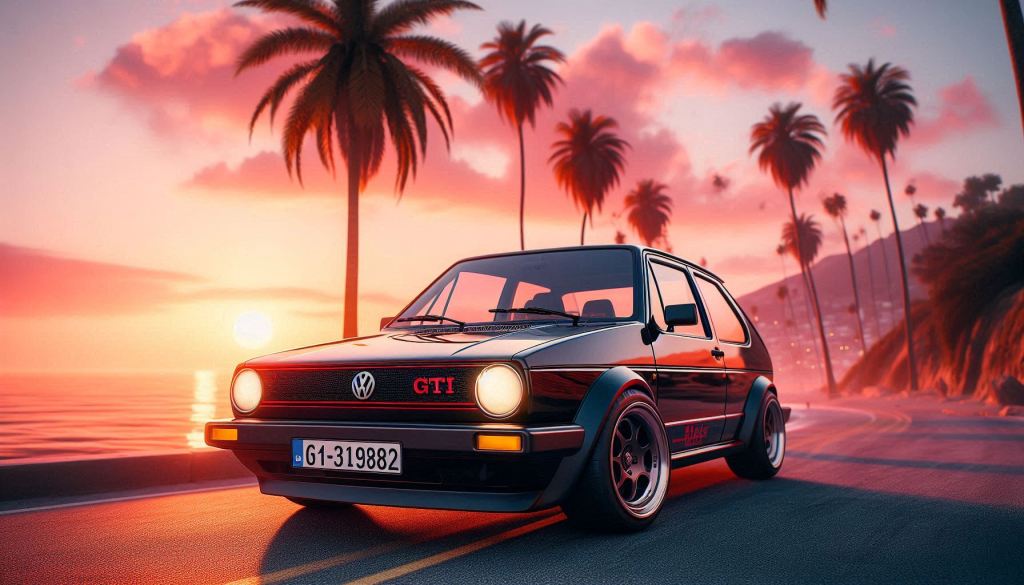
The hot hatch revolution was in full swing during the 80s, and the Volkswagen GTI Mk2 led the charge. With its zippy 1.8L engine, nimble handling, and practical hatchback design, the GTI was a blast to drive while still being a functional daily driver. It proved that you didn’t need a supercar to have fun behind the wheel. The GTI Mk2 built on the legacy of the original hot hatch and helped define an entire segment of performance cars that continues today.
Pontiac Firebird Trans Am (1982-1992)

No list of 80s cars would be complete without the Pontiac Firebird Trans Am—especially if it’s the Knight Rider edition. The blacked-out, futuristic KITT from Knight Rider turned this car into a cultural icon, featuring a talking AI, self-driving capabilities, and a mesmerizing red scanner light on the hood. Even without Hollywood magic, the Trans Am was a solid performer.
The 1982 redesign introduced a more aerodynamic body, lighter weight, and a variety of engine options, including a 5.0L V8. The GTA variant, introduced in 1987, featured a tuned suspension and a 5.7L V8, pushing performance even further. The Firebird Trans Am blended muscle car attitude with a futuristic edge, making it a favorite among enthusiasts and pop culture fans alike. Today, it remains one of the most recognizable American cars of the decade, with collectors and restorers keeping its legacy alive.
Conclusion
The 1980s were an incredible time for car enthusiasts. Whether you loved the outrageous styling of the Lamborghini Countach, the turbocharged muscle of the Buick Grand National, or the high-tech wizardry of the Porsche 959, there was something for everyone. These cars not only defined the decade but also left a lasting impact on automotive design and culture. Even today, their influence can be seen in modern performance cars, and their legacy continues to thrive among collectors and nostalgic fans. So, if you ever find yourself daydreaming about the perfect 80s ride, just remember—there’s nothing quite like the rad rides of the past.
 Totally Retro: 80s Edition
Leave a comment