
Introduction: The Golden Age of Gaming
The 1980s are widely remembered as a time of bold styles, booming pop culture, and technological leaps that shaped the modern world. Among the era’s most transformative phenomena was the rise of video gaming—a medium that, in just a few short years, evolved from a niche hobby into a cultural revolution. This period, often referred to as the Golden Age of Gaming, was defined not by a single company or device but by the collective explosion of creativity, imagination, and enthusiasm that swept across living rooms, arcades, and classrooms around the globe.
At its core, the Golden Age of Gaming was a celebration of possibility. Unlike the highly polished and complex gaming experiences of today, early 1980s video games relied on simple graphics, electronic beeps, and fundamental gameplay mechanics. Yet these limitations were precisely what sparked ingenuity. Developers had to craft compelling worlds, memorable characters, and addictive gameplay with minimal hardware capabilities. A few pixels could suggest entire universes, and a short melody could become a cultural anthem. It was a period where imagination filled in the gaps, and the boundaries of storytelling and play were limited only by the creativity of the people behind the games.
Arcades played a central role in defining this era. These brightly lit, coin-operated temples of fun were magnets for teenagers and families alike. The clatter of buttons, the whir of joysticks, and the chime of coins hitting metal trays created a symphony of sensory excitement. It was not merely about winning; it was about social interaction, skill display, and belonging to a community of fellow players. High scores on a game like Galaga or Defender were badges of honor, bragging rights that could earn respect among peers. In arcades, friendships were forged, rivalries ignited, and gaming became a shared cultural experience that transcended age and geography.
The Golden Age of Gaming also coincided with broader cultural shifts that made video games irresistible. Television shows, comic books, and films were embracing more fantastical and interactive storytelling, priming audiences for digital adventures. Children grew up watching animated heroes save the day, imagining themselves in those worlds. Video games became the perfect extension of this imagination, offering agency and challenge in ways passive media could not. They were interactive playgrounds, requiring strategy, timing, and creativity, yet accessible enough that anyone with a quarter or a cartridge could join in.
At home, the gaming experience was also transforming. While early computer systems had introduced people to digital play, the 1980s saw the emergence of devices specifically designed for fun rather than computation. Families gathered around television screens to explore abstract worlds, navigate mazes, and test reflexes. The act of pressing a button, controlling a character, and seeing immediate feedback created a sense of accomplishment and immersion that was new and thrilling. It wasn’t merely about entertainment—it was a way to experience agency and mastery over a digital environment, a concept that was revolutionary at the time.
Music and sound also played an outsized role in defining the era. Simple electronic beeps and bloops evolved into memorable tunes that are still instantly recognizable decades later. These melodies were often catchy, reinforcing the hypnotic appeal of the games themselves. Even now, hearing a few notes from an early 1980s title can trigger nostalgia as vividly as seeing a favorite childhood toy or photograph. The auditory experience, combined with visual and tactile feedback, created multi-sensory engagement that drew players in and kept them coming back for hours.
Another defining feature of the Golden Age was accessibility. Unlike today, where gaming can involve complex systems and high costs, early 1980s games were approachable. A simple joystick, a handful of buttons, and an intuitive interface meant that anyone could participate, regardless of experience or age. This democratization helped gaming become a social phenomenon, uniting diverse groups around a shared activity. Children, teenagers, and even adults found common ground in the pursuit of mastery, exploration, and high scores.
Perhaps most importantly, this era was a time of experimentation. Developers and designers were still discovering what was possible, testing boundaries of gameplay, narrative, and technology. Concepts that now seem foundational—side-scrolling levels, power-ups, bonus stages—were novel experiments then, and each success or failure taught the industry valuable lessons. This spirit of trial and creativity imbued the period with a sense of excitement and possibility. Every new game offered a promise: it could be the next big hit, the next cultural touchstone, the next story that captured imaginations.
In summary, the Golden Age of Gaming was defined not by specific consoles or companies but by the explosion of creativity, community, and imagination that swept across the world in the early 1980s. It was an era in which technology and artistry collided, producing experiences that were simple in form but profound in impact. Arcades were bustling social hubs, home gaming was becoming an immersive activity, and every beep, pixel, and melody contributed to a cultural tapestry that would influence generations to come. It was a decade in which the very idea of what games could be—and what they could mean—was being reinvented, laying the foundation for everything that would follow in the decades ahead.
The Rise of Atari
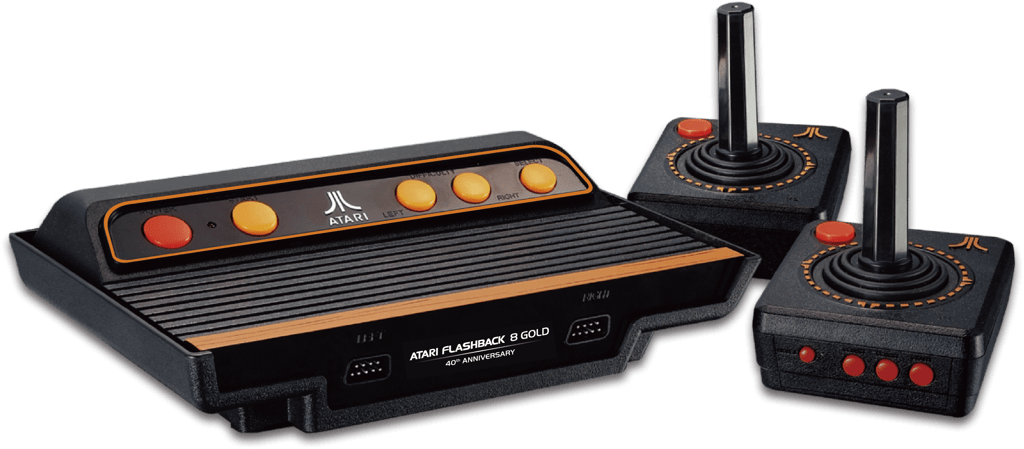
When talking about the birth of home video gaming, one name inevitably dominates the conversation: Atari. Founded in 1972 by Nolan Bushnell and Ted Dabney, Atari began as a small electronics company with a big dream: to bring the excitement of arcade games into homes across America. By the early 1980s, Atari had grown from a daring startup into a cultural powerhouse, shaping the early gaming landscape and creating a blueprint for what a home console could—and should—be. The rise of Atari is not just a story of innovation; it’s a story of risk-taking, creativity, and the explosion of a medium that would define an era.
Atari’s journey began in the arcades. The company’s first major hit, Pong (1972), was a simple table-tennis simulation with two paddles and a bouncing square “ball.” Despite its simplicity, Pong became a sensation. Its clean gameplay and competitive nature captured players’ imaginations, and it quickly transcended novelty to become a cultural phenomenon. Pong’s success demonstrated that interactive entertainment could captivate people in ways television and movies could not, proving that video games were not just toys—they were an entirely new form of amusement.
The momentum from Pong enabled Atari to expand its ambitions. By the mid-1970s, the company was producing a series of arcade hits, each more complex and engaging than the last. Titles like Breakout, Asteroids, and Centipede introduced players to new gameplay mechanics, challenges, and visual styles. Each game was a stepping stone, refining what made video games fun and immersive. Importantly, these arcade successes built a brand identity: Atari was synonymous with excitement, innovation, and digital adventure. Gamers of the late 1970s and early 1980s instinctively associated the Atari logo with high-quality entertainment.
The transition from arcade to home consoles marked Atari’s most significant leap. The company’s flagship system, the Atari 2600, originally branded as the Atari VCS (Video Computer System), launched in 1977 and quickly became the cornerstone of home gaming. The console introduced the concept of interchangeable game cartridges, a revolutionary idea at the time. Prior to this, most gaming systems were hardwired with a limited selection of games, meaning players had little variety. Atari’s cartridge system empowered players to build their own library, swapping games in and out at will—a concept that would dominate home gaming for decades.
Technologically, the Atari 2600 was impressive for its era. It could display multiple on-screen objects, animate sprites, and produce sound effects and music that, while primitive by today’s standards, were immersive and engaging. The console featured a simple joystick and a single-button controller, a design so intuitive that anyone, regardless of age or experience, could pick it up and start playing. This combination of accessibility and versatility was central to Atari’s appeal, ensuring that families could enjoy the same games that were lighting up arcades across the country.
Atari’s library of games grew rapidly. Classic titles such as Adventure, Space Invaders, and Pitfall! became household names. These games were not only fun—they were iconic, introducing players to narrative-driven experiences, strategic challenges, and exploratory gameplay. Adventure, for instance, is often credited as the first action-adventure game, featuring hidden items, mazes, and even one of gaming’s earliest “Easter eggs.” Such innovations cemented Atari’s reputation as a company that wasn’t just producing games; it was inventing the language of gaming itself.
Beyond its technology and game library, Atari became a cultural touchstone. The company’s marketing campaigns were pervasive, featuring advertisements in magazines, television spots, and even product placement in films. Atari merchandise—ranging from branded t-shirts to lunchboxes—appeared in stores nationwide, solidifying the company’s presence in the everyday lives of millions of children and teenagers. For a generation of gamers, Atari was not just a console; it was a symbol of fun, imagination, and the cutting edge of entertainment.
However, the rise of Atari was not without challenges. The company faced internal pressures, production bottlenecks, and the growing difficulty of maintaining high-quality output as the demand for games skyrocketed. The simplicity that made its games accessible also made them easy to clone or imitate, and the flood of third-party titles sometimes diluted the brand’s reputation. Yet despite these hurdles, Atari’s dominance in the early 1980s was undeniable. It had brought gaming into the mainstream, proven the viability of home consoles, and created a fervent fanbase eager for every new release.
The legacy of Atari’s rise is profound. It demonstrated that video games could be both a profitable business and a cultural phenomenon. It showed that a small company, armed with creativity and vision, could transform an entire industry. More importantly, it instilled a sense of possibility in a generation of gamers and developers alike. Atari wasn’t just a company; it was a gateway into a world where imagination, skill, and digital adventure intersected—a world that millions would carry with them long after the flashing screens went dark.
Nintendo Enters the Fray

While the early 1980s had already seen video gaming establish itself as a cultural force, a quiet revolution was underway in Japan. Nintendo, a company with roots stretching back to the 19th century as a playing card manufacturer, was about to transform the global gaming landscape in ways no one could have anticipated. By the early 1980s, Nintendo was poised to enter a market hungry for innovation, and its arrival would not only redefine gaming but also set new standards for storytelling, design, and brand identity.
Nintendo’s rise was spearheaded by visionary leaders such as Hiroshi Yamauchi and game designer Shigeru Miyamoto. Yamauchi’s business acumen and willingness to embrace risk helped the company pivot from playing cards to electronics, while Miyamoto’s creative genius brought characters and worlds to life in ways that had never been seen before. Miyamoto’s approach emphasized charm, simplicity, and fun, ensuring that Nintendo’s games would appeal to a wide audience, from children to adults. This philosophy became a cornerstone of Nintendo’s identity: games that were easy to learn but difficult to master, offering endless replayability without alienating newcomers.
The company’s first major breakthrough in the early 1980s came in the arcade sector with titles like Donkey Kong and Mario Bros. Donkey Kong, released in 1981, introduced the world to Jumpman, who would later become the iconic Mario. Unlike the abstract, blocky characters that dominated early video games, Mario was a relatable, anthropomorphic figure navigating a story-driven adventure. Players were not just pressing buttons—they were guiding a character through obstacles, solving puzzles, and experiencing a narrative, however simple. This blending of storytelling, character, and gameplay was revolutionary at the time and would become a hallmark of Nintendo’s design philosophy.
While arcade success established Nintendo as a creative powerhouse, the company’s most significant leap was into the home console market. In 1983, Nintendo launched the Family Computer, or Famicom, in Japan. Designed to be compact, user-friendly, and affordable, the Famicom introduced several innovations that distinguished it from previous consoles. Its interchangeable cartridge system allowed players to expand their game library endlessly. The hardware supported more complex graphics and richer sound than most home systems of the era, enabling developers to create immersive worlds and memorable experiences. Nintendo also implemented strict quality control measures, ensuring that games were polished and reliable—a response to the market’s growing concern over poorly made titles flooding the industry.
When the Famicom was later rebranded as the Nintendo Entertainment System (NES) for its North American release in 1985, the company carefully cultivated an image that emphasized fun, reliability, and family-friendly entertainment. Nintendo understood that entering the U.S. market required more than just a strong console; it demanded marketing genius. The NES was positioned not merely as a video game system but as an “entertainment system,” complete with engaging packaging, demonstration units in stores, and memorable advertising campaigns. The marketing emphasized imagination, adventure, and the idea that gaming was a safe, exciting, and enriching activity for children and families alike.
One of Nintendo’s most significant contributions to the gaming world was its iconic characters and franchises. From Mario and Luigi to Princess Peach, Donkey Kong, and later Zelda and Link, Nintendo created a universe of characters that players could connect with emotionally. These characters weren’t just avatars; they were personalities, with distinct traits, motivations, and stories. This approach helped Nintendo games transcend the medium, turning them into cultural touchstones that inspired toys, cartoons, merchandise, and even comic books. For the first time, video games offered players characters they could root for, relate to, and carry with them long after the console was turned off.
Nintendo also revolutionized gameplay design. While earlier games often focused solely on reflexes or score-chasing, Nintendo emphasized exploration, puzzle-solving, and narrative. Titles like The Legend of Zelda introduced open-world adventure, item collection, and progression systems that encouraged strategic thinking. Even simpler platformers, such as Super Mario Bros., combined timing, precision, and problem-solving in ways that felt dynamic and alive. This philosophy of blending challenge, accessibility, and creativity became Nintendo’s defining strength, allowing it to appeal to a broader demographic than most competitors at the time.
The cultural impact of Nintendo’s entry into the gaming world cannot be overstated. By introducing character-driven games, reliable hardware, and innovative gameplay, Nintendo helped cement video games as a legitimate form of entertainment and storytelling. The NES became more than a console; it was a household centerpiece, sparking gatherings of friends and family around living room televisions. Children memorized level designs, shared strategies, and competed for high scores, while adults were drawn into the imaginative worlds and clever mechanics. Nintendo games encouraged social interaction, creativity, and skill development, shaping a generation of players and future developers alike.
Moreover, Nintendo’s emphasis on quality and brand identity set new industry standards. By controlling the game library through licensing, ensuring reliability, and creating iconic characters, Nintendo cultivated loyalty and trust among players. Its approach demonstrated that video games could be a long-term entertainment investment rather than a passing fad—a lesson that would resonate through the industry for decades.
In essence, Nintendo’s entry into the gaming world was a turning point. The company combined creativity, technical innovation, marketing savvy, and a deep understanding of player psychology to create experiences that were immersive, engaging, and enduring. Nintendo didn’t merely participate in the gaming landscape; it reshaped it, introducing characters, worlds, and gameplay mechanics that would define the medium for generations. Its arrival marked the beginning of a new era, one in which video games could tell stories, inspire imagination, and capture hearts around the world.
Sega’s Challenge
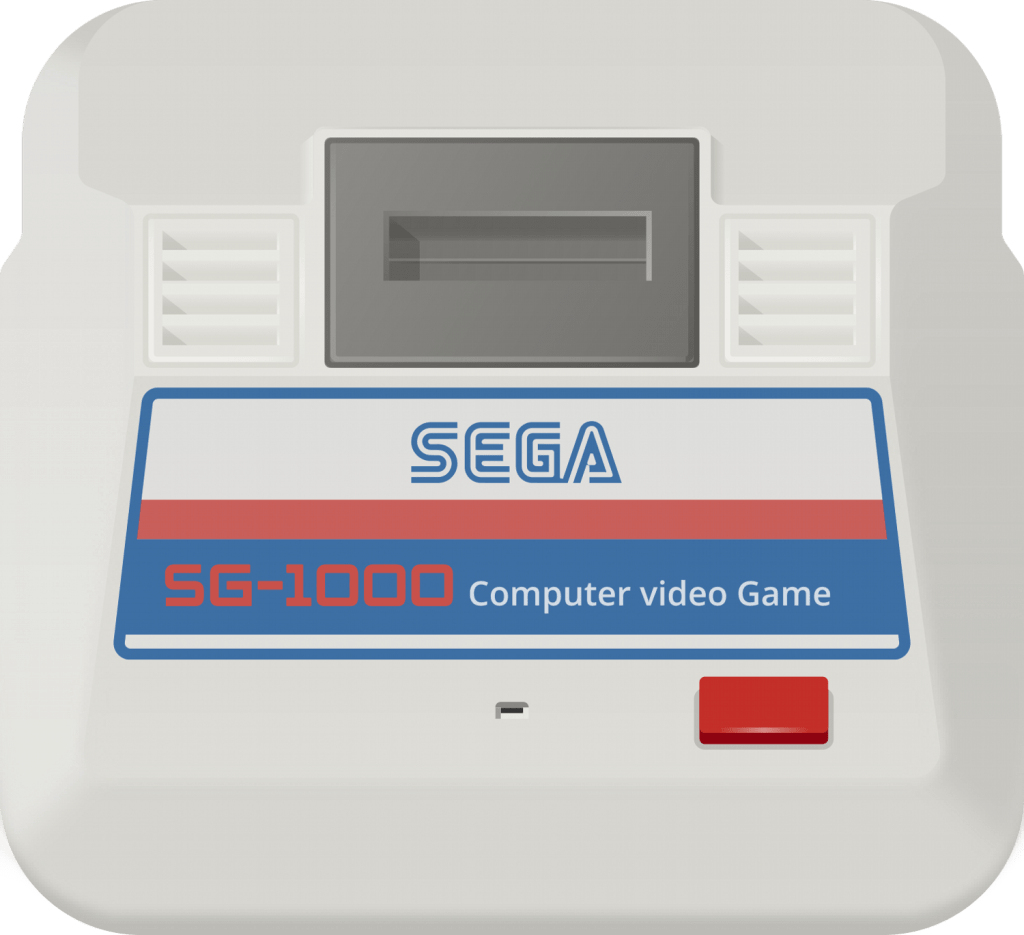
While the early 1980s had already seen home consoles establish themselves as a household staple, the stage was set for a company that would bring a distinctive, bold approach to gaming: Sega. Founded in 1940 in Japan as a company providing coin-operated entertainment machines for U.S. military bases, Sega had decades of experience in arcade gaming long before it entered the home console market. By the early 1980s, the company was ready to challenge conventions, carving out a unique identity that emphasized speed, style, and an edgy appeal that would resonate with a growing audience of young gamers looking for something fresh and exciting.
Sega’s strength lay in its arcade pedigree. Throughout the 1970s and early 1980s, the company produced some of the most memorable and technologically advanced arcade games of the era. Titles like Frogger, Zaxxon, and Out Run showcased Sega’s mastery of hardware and game design, offering experiences that were visually dynamic, mechanically innovative, and deeply engaging. The company’s arcade games were known for their fast-paced gameplay, vivid graphics, and memorable soundtracks—elements that would later become hallmarks of its home consoles. Unlike simpler, score-based games, Sega’s arcade titles often provided immersive worlds and an exhilarating sense of motion, setting them apart from competitors and appealing to a generation of gamers craving more sophisticated experiences.
Sega’s first forays into the home console market built directly on this arcade expertise. The company introduced consoles that were visually striking, mechanically precise, and designed for action-oriented gameplay. Early systems like the SG-1000, launched in 1983 in Japan, were modest by today’s standards but represented an important step in Sega’s evolution. The company quickly learned that success in the home market required more than arcade-style gameplay—it required engaging titles, hardware reliability, and an identity that differentiated the brand. Sega’s focus on speed, flashy visuals, and intense gameplay gave it a distinctive voice that would define its approach for years to come.
What set Sega apart from its competitors was its edgier, youth-focused branding. While other companies emphasized family-friendly entertainment and household appeal, Sega positioned itself as the “cool” alternative for teenagers and young adults. Its marketing highlighted the excitement, energy, and adrenaline of gaming, often featuring striking visuals, bold slogans, and music that resonated with contemporary pop culture. This approach cultivated a sense of identity and loyalty among players who wanted a system that felt modern, daring, and rebellious—a reflection of Sega’s philosophy that gaming could be more than playful fun; it could be an attitude.
Sega also invested heavily in technological innovation. Its consoles were designed to deliver speed, smooth motion, and advanced graphics, reflecting the company’s belief that gameplay and performance were paramount. This emphasis on technology allowed Sega to push the boundaries of what was possible in home entertainment, bringing experiences closer to the arcade without compromising quality. From fluid side-scrolling action to fast-paced racing and shoot-’em-up games, Sega consoles became known for delivering a level of intensity and immersion that was unmatched at the time.
Another pillar of Sega’s strategy was the creation of memorable characters and franchises. Much like its competitors, Sega understood the importance of brand icons, but the company leaned into personalities that were bold, edgy, and memorable. Characters were designed to be dynamic, energetic, and instantly recognizable, reflecting Sega’s image as the youthful challenger. The emphasis on branding helped the company cultivate a devoted fanbase and extend its influence beyond games, inspiring merchandise, comics, and other media tied to its franchises.
Sega’s impact also extended to arcade-to-home crossovers. By adapting successful arcade titles for home play, Sega allowed players to bring the thrill of the arcade into their living rooms. This approach helped the company maintain its core audience while expanding its reach to a broader demographic. Gamers could now experience the speed, intensity, and excitement of Sega’s arcade hits on a daily basis, reinforcing the brand’s identity and building loyalty through repeated engagement.
Culturally, Sega carved a niche that emphasized daring, speed, and a youthful spirit. Its consoles and games reflected the energy and optimism of the 1980s while embracing a slightly rebellious edge. This positioning resonated with players who wanted an alternative to more conventional systems—gamers who sought experiences that felt fast, flashy, and exhilarating. In doing so, Sega established itself as a company willing to challenge norms, explore new possibilities, and push the boundaries of what home gaming could deliver.
Ultimately, Sega’s rise in the early 1980s was defined by a combination of arcade expertise, technological innovation, and bold branding. The company leveraged its history in coin-operated games, combined it with a unique philosophy of fun and speed, and created experiences that were visually striking, mechanically satisfying, and culturally resonant. Sega wasn’t just another console manufacturer; it was a statement—a brand that promised excitement, energy, and innovation for gamers willing to embrace something new. Its challenge was clear: to carve out a distinctive space in a growing industry, offering players an alternative world of fast-paced, stylish gaming that would leave a lasting impression on an entire generation.
Console Wars: Marketing and Mascots

By the mid-1980s, video gaming had transformed from a niche pastime into a mainstream cultural phenomenon. As multiple companies vied for players’ attention, it became clear that technological innovation alone would not determine success. Marketing, branding, and the creation of memorable mascots had emerged as critical factors in the rapidly expanding home console industry. This period, often dubbed the era of the “console wars,” was defined not just by the hardware itself but by the clever strategies used to capture the imagination—and the loyalty—of a generation of gamers.
Advertising in the 1980s was vibrant, loud, and unapologetically colorful, reflecting the decade’s exuberant aesthetic. Television commercials became one of the primary battlegrounds for console companies, often featuring high-energy visuals, dynamic soundtracks, and enthusiastic narration. Advertisements painted gaming as a thrilling, almost cinematic experience. Kids were not just buying a console; they were buying excitement, adventure, and status among their peers. Commercials emphasized the “cool factor,” often showing friends competing for high scores, dramatic gameplay moments, and the instant gratification of conquering digital challenges. In short, these ads turned consoles into aspirational objects, objects that symbolized fun, skill, and social clout.
Print media also played a vital role. Magazines dedicated to gaming flourished, offering reviews, strategy guides, and exclusive previews. Pages were filled with colorful illustrations of characters and levels, enticing young readers to imagine themselves inside these digital worlds. Promotions included contests, giveaways, and special editions, creating a sense of community and participation beyond the console itself. This multi-channel marketing approach ensured that gaming remained at the forefront of children’s and teens’ minds, turning the act of playing into a cultural event.
Central to these marketing strategies were mascots, the characters who became the faces of entire brands. Unlike today’s CGI-heavy promotional campaigns, 1980s mascots were often simple in design yet instantly recognizable. They served as emotional touchpoints, creating connections between the player and the brand. Mascots could inspire loyalty, drive game sales, and even become cultural icons beyond gaming. These characters were more than marketing tools—they represented ideals, personalities, and the spirit of adventure, encapsulating the essence of a console in a single figure.
Mascots were meticulously crafted to appeal to specific audiences. They often embodied traits such as bravery, cleverness, or speed, and their design was meant to be both memorable and versatile, easily translating across merchandise, print, and gameplay. These characters often starred in their own narratives within games, creating continuity and identity for the brand. Through their actions, appearance, and associated storylines, mascots became symbols of the gaming experience itself, giving players a figure to root for, emulate, or challenge.
The impact of mascots extended far beyond the games themselves. Merchandise, ranging from t-shirts to lunchboxes, action figures, and posters, allowed players to bring their favorite characters into the real world. This marketing approach was highly effective in fostering brand loyalty. Children were not just fans of the games—they were fans of the characters, embedding the consoles in their daily lives and social identity. The emotional bond created by mascots often influenced purchasing decisions, ensuring that a well-designed character could make or break a console’s market performance.
Marketing strategies also involved creative narrative positioning. Companies promoted their systems as gateways to adventure, emphasizing unique gameplay experiences, innovative mechanics, and imaginative worlds. Packaging was designed to be visually striking, highlighting characters and game features to capture attention in crowded retail environments. Demonstration units in stores allowed potential buyers to try games firsthand, reinforcing the excitement promised by advertising. This combination of visual appeal, interactivity, and storytelling made marketing an essential battlefield in the console wars.
Furthermore, marketing campaigns often leveraged social proof and competition. Ads frequently depicted groups of children playing together, sharing secrets, and competing for high scores. The messaging implied that owning the latest console was a social imperative, creating peer-driven demand. Gaming was not just an individual pastime—it was a communal experience, a source of identity and pride. The ability to master a game, collect characters, and achieve high scores became synonymous with skill, popularity, and belonging, reinforcing the influence of marketing and mascots in shaping player behavior.
In retrospect, the importance of marketing and mascots during the 1980s cannot be overstated. The success of consoles during this period was often determined as much by the power of their branding as by the technology within. Effective marketing created excitement, built communities, and turned games into cultural phenomena. Memorable mascots became enduring icons, helping to establish the emotional and social connections that would keep players engaged for years to come. The lessons learned in this era—that a console’s identity, characters, and marketing could be as crucial as its technical capabilities—continue to influence the gaming industry today.
Ultimately, the console wars of the 1980s were fought not only with chips, circuits, and joysticks but with imagination, charisma, and clever design. Mascots became ambassadors of fun, advertising transformed into storytelling, and marketing campaigns elevated gaming from a hobby to a lifestyle. These strategies helped define an era, shaping how millions of players experienced, remembered, and cherished the first wave of home video gaming. The clash of colors, slogans, and personalities created an unforgettable landscape, one where games were more than play—they were culture, identity, and a glimpse into the future of entertainment.
Iconic Games That Defined a Generation

While consoles and mascots brought players to the screen, it was the games themselves that truly defined the 1980s as the Golden Age of Gaming. This era was rich with titles that pushed the boundaries of imagination, introduced new gameplay mechanics, and created experiences that are still celebrated decades later. These iconic games were not just pastimes—they were cultural touchstones, shaping the childhoods of millions, influencing future designers, and establishing enduring legacies that continue to resonate in the gaming world today.
One of the most striking characteristics of 1980s games was their simplicity coupled with depth. At first glance, titles might appear basic—pixelated characters, limited color palettes, and straightforward objectives—but beneath these surface-level mechanics lay intricate challenges that tested skill, timing, strategy, and creativity. Games like Pac-Man, with its deceptively simple maze navigation and ghost-chasing mechanics, required players to develop patterns, anticipate enemy movements, and make split-second decisions. The elegance of such design meant that games were immediately accessible yet difficult to master, offering endless hours of engagement and replayability.
Adventure and exploration also flourished during this period. The Legend of Zelda, introduced in the mid-1980s, brought open-world exploration and item-based progression into the gaming mainstream. Players were encouraged to solve puzzles, navigate dungeons, and discover hidden secrets, often without explicit guidance. This sense of discovery created a personal connection to the game world, fostering immersion and a sense of accomplishment. Similarly, platformers like Super Mario Bros. combined timing, precision, and environmental challenges in ways that felt dynamic and rewarding, introducing mechanics that would become the blueprint for countless games to follow.
Arcade-style action remained equally influential. Titles such as Galaga, Defender, and Donkey Kong emphasized reflexes, timing, and competitive high scores. These games fostered a sense of urgency and excitement, rewarding quick thinking and dexterity. The addictive nature of arcade action made it a social experience as well, with players often gathering to watch, learn, and compete against one another. High scores were a badge of honor, transforming games from individual pursuits into communal competitions that strengthened friendships, rivalries, and shared memories.
Innovation was a hallmark of many 1980s games. Developers experimented with genre-blending, combining elements of action, puzzle-solving, and storytelling to create fresh experiences. Metroid, for instance, introduced non-linear exploration and a persistent sense of progression, encouraging players to think critically and map their own path through the game world. Mega Man offered precise platforming coupled with strategic weapon selection, challenging players to adapt and plan ahead. These innovations demonstrated that video games could be more than simple diversions—they could be complex, engaging systems that rewarded skill, ingenuity, and perseverance.
Another defining feature was the emergence of narrative and character-driven experiences. Games like Final Fantasy and Dragon Quest in Japan began to introduce intricate stories, memorable characters, and immersive worlds, even with the technological constraints of the time. Players were no longer just chasing points—they were embarking on adventures, forming attachments to digital heroes, and becoming part of expansive, imaginative universes. This storytelling focus laid the groundwork for the modern RPG and narrative-driven game genres that dominate today.
The soundscapes of these iconic games were equally memorable. Simple bleeps, bloops, and chiptunes became auditory anchors, instantly recognizable and nostalgically resonant. Music in games like Super Mario Bros. and The Legend of Zelda was composed to reinforce gameplay, create mood, and enhance memorability. These melodies became cultural artifacts in their own right, influencing music, advertising, and even inspiring live performances dedicated entirely to video game soundtracks.
Multiplayer experiences also began to flourish. Cooperative and competitive modes encouraged social interaction, from sharing arcade cabinets to taking turns on a home console. Games were designed to foster connection, whether through head-to-head challenges, cooperative missions, or friendly rivalries. This social component cemented video gaming as not only an individual hobby but also a medium that could bring friends and families together, creating lasting memories and shared experiences.
Finally, the impact of these games extended far beyond entertainment. They influenced fashion, slang, and pop culture, appearing in magazines, television, and merchandise. Fans memorized level layouts, exchanged tips, and emulated their favorite characters’ moves. The games of this era created a generation of players who would later become designers, storytellers, and innovators themselves, carrying forward the lessons of creativity, engagement, and interactivity into the future of the medium.
In summary, the 1980s produced a pantheon of games that defined a generation not by technology alone but by imagination, design, and cultural resonance. Titles like Pac-Man, Super Mario Bros., The Legend of Zelda, and countless others became benchmarks for excellence, blending accessibility, challenge, narrative, and social engagement in ways that remain influential. These games were more than entertainment—they were shared experiences, sources of joy, and milestones in the evolution of digital storytelling. They proved that video games could capture the imagination, inspire creativity, and leave an indelible mark on culture, laying the foundation for decades of gaming innovation to come.
Technology and Innovation Differences
The 1980s were a decade of rapid technological advancement, and nowhere was this more evident than in the realm of video gaming. While the era is often remembered nostalgically for its colorful characters, catchy tunes, and iconic gameplay, it was also a time of significant innovation in hardware, software, and design philosophy. Each system introduced unique technical capabilities and creative solutions that shaped the player experience, laying the groundwork for the future of interactive entertainment.
One of the most noticeable differences across consoles was graphics capability. Early systems were limited to simple, blocky sprites, often composed of a small number of pixels, yet developers found inventive ways to create recognizable characters, environments, and animations. Some consoles pushed the envelope by increasing color palettes, screen resolution, and the number of simultaneous on-screen objects. These enhancements allowed for more complex worlds and gameplay mechanics, making the visual experience more immersive. Even subtle improvements, such as smoother scrolling or sprite layering, could dramatically alter the feel of a game, giving each system a distinctive visual identity.
Closely tied to graphics was the development of sound and music technology. While early games relied on basic beeps and boops, the 1980s saw the introduction of dedicated sound chips capable of producing richer melodies, multiple simultaneous tones, and rudimentary sound effects. This allowed developers to create more engaging audio experiences, from rhythmic soundtracks that reinforced gameplay pacing to ambient noises that enhanced immersion. For many players, the sound was inseparable from the experience, with tunes and effects etched into memory long after the console was turned off.
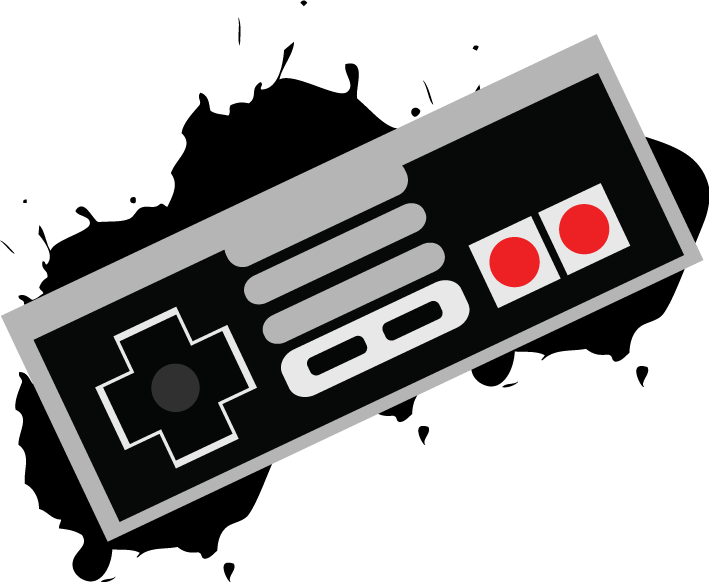
Controller design was another area of innovation that directly impacted how players interacted with games. Joysticks, paddles, and simple button configurations were gradually supplemented with multi-directional pads, multiple buttons, and ergonomic layouts that allowed for more precise and varied input. Some consoles experimented with unconventional controllers to suit specific game genres, such as racing wheels or trackballs for arcade-style games, while others focused on simplicity and accessibility to attract younger audiences. The evolution of controllers demonstrated that the hardware experience—the way a player physically interacts with a game—was as important as the game software itself.
Another critical aspect of 1980s innovation was the interchangeable cartridge system. This approach allowed players to expand their library indefinitely, introducing new gameplay experiences without requiring new hardware. Cartridges were not merely storage devices; they often contained additional processing capabilities or memory expansions that enhanced the base system. This innovation created an ecosystem in which games could evolve alongside the hardware, extending the lifespan of consoles and providing developers with greater creative freedom.
Memory and processing power also became distinguishing factors. Some systems incorporated extra RAM or custom chips within cartridges to enable larger levels, more complex enemy behaviors, or enhanced graphics. Others relied on clever programming tricks to maximize the potential of limited resources, producing effects that seemed far more sophisticated than the hardware might suggest. These technical feats showcased the ingenuity of 1980s developers, who often had to innovate around constraints to deliver engaging experiences.
Display and output innovations were also significant. Early consoles primarily outputted in standard definition, often using RF connectors, but advancements allowed for cleaner visuals, more stable colors, and better compatibility with home televisions. Some systems experimented with additional peripherals, such as light guns, keyboards, or expansion modules, broadening the range of possible interactions and introducing early forms of hybrid gameplay. These experiments reflected a period of exploration, where designers and engineers were still defining what a home gaming system could do.
A key innovation of the decade was the emphasis on gameplay mechanics over sheer technical fidelity. While systems competed to offer better graphics or sound, the most memorable experiences often arose from clever design rather than raw hardware power. Mechanics like power-ups, level progression, enemy AI patterns, and scoring systems were carefully crafted to engage players and encourage repeated play. This focus on innovation in gameplay ensured that even technically modest consoles could produce experiences that felt rich, challenging, and immersive.
Finally, connectivity and expandability became early talking points. Some systems supported peripheral expansions, allowing for add-ons that could enhance graphics, provide additional input methods, or even interface with educational software. These innovations hinted at the potential for consoles to become multi-functional entertainment hubs rather than single-purpose gaming devices, a concept that would continue to evolve in subsequent decades.
In conclusion, the technological landscape of 1980s gaming was diverse, experimental, and highly influential. Differences in graphics, sound, controllers, processing power, memory, and peripherals created distinct experiences across consoles, shaping how players interacted with games and how developers approached design. Innovation was not limited to one company or system—it was a shared ethos of the decade, driving rapid evolution and laying the foundation for the sophisticated, immersive gaming experiences that would follow. The lessons learned during this period in maximizing limited resources, enhancing player interaction, and balancing technical capabilities with creative design remain relevant to game development even today.
Cultural Impact of the 1980s Console Battle

The 1980s were more than a decade of technological breakthroughs and game development—they were a period when video gaming became a defining element of youth culture and everyday life. The rise of home consoles did not simply change how people played; it transformed how they socialized, how they expressed identity, and how popular culture evolved. The 1980s console battle left an indelible mark on society, influencing attitudes, behavior, and even the economy, creating ripples that continue to be felt decades later.
At the core of this cultural shift was accessibility and inclusion. Video gaming moved beyond the arcades and into living rooms, making it available to millions of households. Children, teenagers, and adults found themselves participating in a shared activity that transcended traditional age or social boundaries. A console in the home became a focal point for family gatherings, sibling rivalry, and friendly competitions among friends. Games provided structured yet imaginative play, offering shared experiences in which skill, strategy, and perseverance were rewarded. In many ways, the console became a social equalizer: regardless of background, anyone could pick up a controller and participate in the excitement.
The console battle also fueled the rise of peer culture and identity formation. Choosing a console—or aligning oneself with a brand or franchise—was often a statement of personality and taste. Children and teenagers proudly displayed their consoles, cartridges, and game-related merchandise, signaling their preferences to friends and peers. This brand loyalty created mini-communities, with shared strategies, tips, and fan discussions spreading across schools, neighborhoods, and playgrounds. Gaming became a social language, a way for individuals to connect, compare skills, and participate in a broader cultural conversation.
Marketing and media representation amplified this impact. Brightly colored advertisements, memorable mascots, and catchy jingles ensured that consoles and their associated games were embedded in daily life. Magazines, television shows, and promotional events created a constant dialogue between companies and their audiences. The excitement surrounding each new release turned video games into cultural events, generating anticipation akin to that of blockbuster movie premieres. As a result, the console battle was not just a corporate competition—it became a social phenomenon, shaping how people talked, played, and imagined.
Beyond social dynamics, consoles influenced creative expression and skill development. Players engaged with games not merely as passive consumers but as active participants. They learned problem-solving, spatial awareness, hand-eye coordination, and memory strategies. Many games encouraged experimentation, persistence, and lateral thinking, instilling habits and skills that extended beyond the screen. For some, these experiences sparked lifelong passions, inspiring future careers in programming, game design, art, and music. The cultural impact, therefore, was both immediate and generational, affecting not only how people played but how they imagined and built their futures.
The console battle also permeated fashion, language, and lifestyle. T-shirts, backpacks, lunchboxes, and posters featured game logos and characters, while slang and references from games became part of everyday conversation. Players celebrated high scores, shared tricks, and compared achievements, integrating gaming culture into identity and self-expression. Schools, clubs, and local tournaments created social networks centered on gaming, transforming play into a structured social activity with rules, hierarchies, and shared goals.
Additionally, the console battle influenced broader pop culture, intersecting with television, music, and film. Video game themes appeared in cartoons and commercials, while music from game soundtracks infiltrated popular consciousness. The aesthetic of 1980s games—neon colors, pixelated characters, and futuristic designs—became emblematic of the decade itself. Gaming was not merely entertainment; it was a cultural marker, reflecting and shaping the sensibilities, priorities, and imagination of a generation.
Economic and commercial effects were significant as well. The growing demand for consoles, games, and related merchandise fueled entire industries, created jobs, and transformed retail. Shopping for games became a ritual, complete with anticipation, selection, and collection. This consumer culture surrounding gaming reinforced the idea that consoles were more than electronics—they were lifestyle products, symbols of identity, and gateways into imaginative worlds.
In sum, the cultural impact of the 1980s console battle extended far beyond technology and gameplay. It reshaped social interactions, influenced identity formation, inspired creative expression, and became a defining element of a generation’s lifestyle and worldview. The rivalry between systems, the excitement of new releases, and the shared experiences of millions of players created a cultural ecosystem in which video games were central to how people connected, played, and imagined. The legacy of this era endures, informing contemporary gaming culture, media, and the ways in which generations perceive interactive entertainment. The 1980s console battle was not just a technological competition—it was a cultural revolution.
Lessons Learned from the 1980s Gaming Wars

The 1980s console battle was more than a nostalgic period of colorful characters and fast-paced gameplay; it was a formative era that left enduring lessons for the video game industry. The clash between consoles, the rise of home gaming, and the explosion of arcades revealed fundamental truths about what drives success, what pitfalls to avoid, and how innovation, marketing, and consumer trust intersect. For developers, marketers, and players alike, the decade offers a blueprint of both cautionary tales and triumphs that continue to inform gaming today.
One of the clearest lessons from the 1980s is the importance of quality control and brand trust. During this period, the market saw an influx of low-quality games, rushed releases, and software that failed to meet consumer expectations. Players quickly became frustrated with poor game design, buggy cartridges, and a lack of innovation. Companies that prioritized quality over quantity were rewarded with long-term loyalty, while those that flooded the market with subpar products faced reputational damage. This era underscored the idea that consumer trust is fragile; maintaining it requires consistent delivery of compelling, reliable experiences.
Another lesson lies in the power of brand identity and differentiation. The console wars highlighted how companies could distinguish themselves through unique philosophies, aesthetics, and messaging. Each brand sought to define itself—whether through mascots, marketing campaigns, or design focus—and consumers responded to these identities. Players often chose systems not purely based on technical specifications but on the values, style, and promises that each brand represented. This demonstrated that emotional connection, personality, and cultural resonance could be just as influential as hardware capabilities.
The 1980s also emphasized the importance of innovative gameplay over raw technical prowess. While each console competed to offer better graphics, sound, and processing power, the most memorable successes were often those that introduced novel mechanics, engaging challenges, or imaginative narratives. Games that encouraged exploration, strategy, and mastery created lasting appeal, showing that technology alone could not guarantee player engagement. This lesson remains relevant today: innovation in game design can often outweigh superior hardware in capturing audience attention.
Marketing strategy emerged as another critical takeaway. The decade illustrated that clever, creative, and targeted marketing could amplify a product’s impact, create emotional attachment, and drive sales. Mascots, advertising campaigns, magazine features, and in-store demonstrations were more than promotional tools—they were mechanisms for storytelling and community-building. The 1980s demonstrated that strategic marketing could elevate a console from mere hardware into a cultural phenomenon, highlighting the intertwined nature of product, brand, and consumer engagement.
The period also revealed the risks and rewards of timing in a fast-evolving market. Entering the market too early or too late could determine success or failure. Companies that anticipated trends, understood consumer behavior, and launched with strong software libraries were rewarded, while those that misjudged timing or underestimated competition suffered. The lessons of timing extend beyond product launch to include updates, expansions, and sequels—strategic decisions that could either consolidate market dominance or accelerate decline.
Another critical lesson was the value of community and social engagement. The console wars demonstrated that players were not passive consumers but active participants who sought connection, competition, and shared experiences. Encouraging communal interaction—whether through multiplayer modes, high score challenges, or fan networks—helped create loyalty and longevity. Gaming culture in the 1980s thrived not only on the novelty of the medium but on the sense of belonging it fostered, a principle that remains vital in today’s online, socially connected gaming environments.
The decade also highlighted the importance of adaptability and resilience. Companies faced rapidly shifting technology, changing consumer preferences, and competitive pressures. Those that could innovate, pivot, and respond to feedback survived and prospered; those that stagnated or failed to anticipate market needs often faltered. This lesson underscores that in creative industries, flexibility and responsiveness are essential for long-term sustainability.
Finally, the 1980s taught the industry about the power of nostalgia and long-term cultural impact. Many franchises, characters, and mechanics introduced during this era continue to influence games today. The designs, stories, and experiences that resonated with players in the 1980s created a foundation for franchises that would endure for decades, proving that thoughtful, memorable design has lasting value beyond immediate sales.
In essence, the 1980s console wars were a masterclass in both opportunity and risk. Lessons about quality, branding, innovation, marketing, timing, community, adaptability, and cultural resonance emerged from the successes and failures of the era. These insights continue to guide developers, publishers, and marketers, demonstrating that the principles established during this formative period are as relevant now as they were then. The 1980s were not just a decade of games—they were a period that defined the rules of engagement, strategy, and imagination for an entire industry.
Conclusion: Which Console Really Won?

The 1980s console battle—an era defined by innovation, competition, and cultural transformation—was never truly about a single victor. Atari, Nintendo, and Sega each brought unique contributions to the gaming world, and their legacies are intertwined in ways that make declaring one “winner” both subjective and nuanced. To evaluate which console truly prevailed, it is essential to consider multiple dimensions: market influence, cultural impact, technological innovation, and enduring legacy.
Atari laid the foundation. With the Atari 2600 and a legacy of iconic arcade titles, Atari introduced millions to home gaming, proving that interactive entertainment could capture the public imagination. The company demonstrated the potential of interchangeable cartridges, established the concept of brand loyalty, and created a blueprint for consoles to follow. Atari’s influence extended beyond technology; it shaped social interactions, inspired developers, and sparked a generation’s passion for gaming. In many ways, Atari was the trailblazer—the pioneer whose risks and successes made the 1980s console boom possible.
Nintendo redefined the industry. By emphasizing quality control, memorable characters, and innovative gameplay, Nintendo transformed gaming into a sustainable, culturally resonant medium. The NES brought video games back from the brink after the early 1980s market crash, offering reliable hardware, compelling titles, and a sense of imaginative adventure that appealed to both children and adults. Nintendo introduced enduring franchises, narrative-driven games, and a marketing strategy that elevated consoles into symbols of fun, creativity, and family entertainment. Its success demonstrated the importance of combining technical innovation with cultural insight and player engagement.
Sega, meanwhile, pushed the envelope in style, speed, and attitude. With a focus on fast-paced gameplay, technological prowess, and youth-oriented branding, Sega carved out a distinctive niche that challenged conventional ideas of what home gaming could be. The company fostered competition, encouraged risk-taking, and cultivated a loyal fanbase attracted to its edgy, exciting approach. Sega proved that personality, identity, and technical experimentation were just as vital as mainstream appeal, inspiring future innovations in design, hardware, and franchise development.
Looking beyond individual companies, the 1980s console battle collectively expanded the possibilities of interactive entertainment. It demonstrated that video games could be culturally significant, socially engaging, and commercially viable. The era created a framework for narrative, character development, gameplay mechanics, and marketing that would influence the industry for decades. Players experienced unprecedented choice, diversity in gameplay, and the excitement of technological advancement, all of which shaped expectations for future generations of games.
If one attempts to crown a “winner,” the answer depends on the criteria. In terms of market stability and lasting franchise impact, Nintendo arguably holds the edge, having built a foundation that remains central to gaming culture today. In terms of pioneering innovation and establishing home gaming, Atari deserves recognition for setting the stage and introducing millions to interactive entertainment. Sega’s contributions are measured in edginess, technological boldness, and brand personality, which injected energy and competition into the industry, ultimately benefiting players by driving rapid innovation.
Ultimately, the question of “which console really won” may be less important than understanding the synergistic impact of all three companies. Each pushed the others to innovate, inspired players and developers alike, and contributed to a shared cultural and technological legacy. The real victory of the 1980s console battle was the establishment of video games as a mainstream, enduring form of entertainment—a triumph that transcended individual companies and created a foundation for the multibillion-dollar industry we know today.
In conclusion, the 1980s console battle was a triumph of imagination, ingenuity, and competition. Atari, Nintendo, and Sega each left indelible marks on the gaming world, shaping how we play, socialize, and imagine digital experiences. While debates over “the winner” may continue among nostalgic fans, the broader victory lies in the collective advancement of gaming as a cultural phenomenon. The lessons, innovations, and memories of this decade continue to inspire, proving that the 1980s were not just a time of games—they were the dawn of a global entertainment revolution.




 Totally Retro: 80s Edition
Leave a comment