
1. Introduction
Setting the Scene: Life in the 1980s
The 1980s were a decade of bold colors, booming pop culture, and a unique economic atmosphere that shaped the lives of millions. Think shoulder pads, neon leg warmers, cassette tapes, and the birth of the personal computer revolution. But beyond the flashy trends and iconic music, one thing many remember with a mix of nostalgia and disbelief is how much cheaper life seemed back then.
Walk down memory lane, and you’ll see families managing to buy groceries, clothes, and even homes for a fraction of what we pay today. Kids could walk to the local arcade with just a few quarters and emerge with hours of entertainment, while adults could fill their gas tanks without wincing at the price. It wasn’t just perception—prices really were lower, relative to today’s dollars.
But why did everything feel so affordable? Part of it was simple inflation: the general rise of prices over time means that a dollar in 1985 had significantly more purchasing power than a dollar in 2025. Wages, housing costs, and everyday essentials were all scaled differently, making the dollar stretch further. Yet, there’s more to the story than economics alone. The 1980s economy, government policies, global trade, and even cultural habits played into the sense of affordability.
Why Prices Seem Cheaper Today
Comparing prices across decades can be tricky. Adjusting for inflation gives us a clearer picture, but even then, the 1980s had a unique combination of factors that made daily life feel more accessible. The average family could enjoy a decent standard of living without the constant financial stress that many experience today. Gasoline, groceries, entertainment, housing—they all came at a cost that now seems astonishingly low.
This blog will take you through the decades-old price tags of groceries, fashion, housing, entertainment, and more. By the end, you’ll not only understand why things were cheaper but also feel the warmth of nostalgia for a time when a dollar could truly go a long way. Whether you lived through the 1980s or are just fascinated by history, this is your guide to the affordable world of yesterday.
2. Groceries and Everyday Essentials
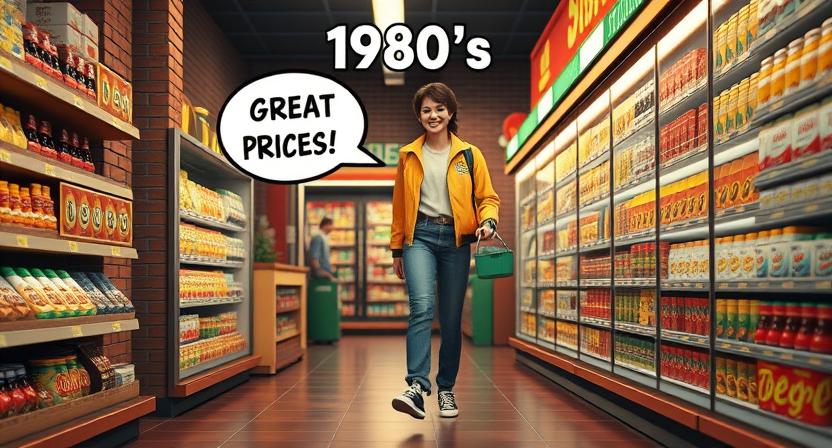

Milk, Bread, and Eggs: A Walk Down the Aisle
One of the most vivid memories people have from the 1980s is the simple act of grocery shopping. Back then, a weekly trip to the store felt like a budget-friendly adventure. Consider some staples:
– Milk: In 1985, a gallon of milk cost around $2.00. Today, depending on where you live, that same gallon can easily cost $4.50–$6.00. Milk wasn’t just cheaper—it was more accessible, with fewer ultra-premium brands and options.
– Bread: A loaf of white bread could be picked up for under $1, while today, even standard loaves often push $3–$4. The humble sandwich became a daily, affordable convenience.
– Eggs: A dozen eggs hovered around $0.90–$1.20, making breakfast an inexpensive affair. Families could enjoy eggs, bacon, and toast without worrying about the cost.
It’s not just nostalgia—these numbers reflect how much inflation has eroded the value of the dollar. But there was also a cultural difference: shopping was simpler, brands were fewer, and consumers weren’t bombarded with premium, organic, or specialty products.
Household Items: Cleaning and Kitchen Supplies
Everyday household items were similarly affordable. A bottle of dish soap might cost $0.50, and laundry detergent ran $2–$3 for a large box. Paper towels, toilet paper, and cleaning supplies were all priced to keep the average household comfortably stocked.
The kitchen itself mirrored this simplicity. Aluminum foil, tin cans, and glass jars were everyday essentials that could be bought in bulk without costing a small fortune. For example:
– A jar of peanut butter: around $1.50
– Canned vegetables: $0.50–$0.75 per can
– Frozen dinners: $1–$2, making quick meals affordable for working families
These items, when combined with inexpensive fresh produce and staples, meant that feeding a family didn’t require the meticulous budgeting so many experience today.
The Grocery Store Experience
Shopping in the 1980s wasn’t just about the price—it was also about experience. Many stores had smaller layouts, personal service, and fewer automated checkout systems. Cashiers often knew regular customers by name, and promotions were simple: buy one, get one free, or seasonal discounts. Weekly circulars in newspapers were the primary way people tracked deals, rather than relying on apps or online comparisons.
The combination of genuinely lower prices, simpler store setups, and the cultural value placed on frugality made everyday essentials feel incredibly affordable. It’s no wonder that when people recall the 1980s, grocery shopping often stands out as a vivid symbol of cheaper
3. Housing and Rent

Buying a Home: Then vs. Now
In the 1980s, homeownership was much more attainable for the average family compared to today. The median home price in 1985 was around $80,000, depending on the region. For context, today that same home in many parts of Canada or the U.S. could easily be priced at $400,000 or more.
Mortgage rates in the early 1980s were famously high—sometimes reaching 18%—yet many families were still able to purchase homes because their incomes relative to home prices made it feasible. By the mid-to-late 1980s, rates had dropped, making mortgages far more manageable. The combination of lower absolute prices and relatively stable incomes made the dream of owning a home something many could realistically achieve.
The style of homes reflected the era too: cozy suburban houses with three bedrooms, a garage, and a yard were the standard. No open-concept, ultra-modern kitchens—just practical, affordable, family-friendly homes.
Apartment Rentals: Affordability in the 1980s
Renting an apartment was also much more budget-friendly. In 1985, the average monthly rent for a one-bedroom apartment hovered around $300–$400. A modest two-bedroom unit often ran $500–$600. Compare that to 2025, where those same units in many cities easily exceed $1,500–$2,500 per month.
The rental market was simpler, with fewer luxury apartments and high-rise condos dominating cityscapes. Families could find affordable housing in suburban neighborhoods, while young singles often lived in small apartments without struggling to make ends meet. Landlords were less likely to tack on hidden fees, and long-term rentals were common, offering stability in a way that’s harder to find today.
Why Housing Felt Cheaper
Several factors contributed to the sense of affordability:
1. Lower absolute prices – Homes and rents were priced far lower in nominal dollars.
2. Stable wages relative to living costs – Many workers earned enough to comfortably cover housing without extreme budgeting
3. Fewer additional expenses – Homeowners paid less for utilities, property taxes were lower, and insurance premiums were smaller.
4. Cultural emphasis on homeownership – Owning a home was seen as a primary life goal, and financial systems encouraged long-term mortgages over high-risk investments.
For many families, housing wasn’t a constant source of stress. People could focus on building their lives, raising children, and enjoying leisure activities rather than worrying if they could afford to keep a roof over their heads. That’s part of why housing stands out as one of the clearest examples of how life was “cheaper” in the 1980s.
4. Transportation Costs

Gasoline Prices: Filling Up Without Breaking the Bank
One of the most striking differences between the 1980s and today is the cost of gasoline. In 1985, the average price of a gallon of gas in the U.S. was around $1.20, and in Canada, it was roughly $0.70–$1.00 per liter equivalent. Imagine driving across town without thinking twice about spending $50 to fill the tank.
Even considering inflation, gas was still cheaper than today, allowing families to travel more freely. Road trips, weekend drives, and commuting were less of a financial burden. Kids could tag along on family excursions without parents worrying about skyrocketing fuel costs.
Cars: Affordable and Reliable
Cars themselves were also relatively affordable. A brand-new Ford Escort or Chevrolet Cavalier could cost $6,000–$7,000 in the mid-1980s. Today, the entry-level equivalent often starts around $25,000–$30,000.
Interestingly, car ownership in the 1980s came with simpler maintenance. Vehicles were mechanically straightforward, making it easier for families to perform basic repairs themselves or at a local mechanic without the high tech diagnostic costs modern cars demand. Leasing wasn’t as common, and families tended to buy a car outright or finance it over a few years.
Luxury cars were still a status symbol, but the average family car was perfectly functional, affordable, and reliable. The idea of commuting long distances daily was not nearly as stressful financially as it can be today.
Public Transport: Cheap and Accessible
For those who didn’t own a car, public transportation was a practical, inexpensive alternative. A monthly bus or subway pass in 1985 could cost anywhere from $25–$50, depending on the city. Today, many urban transit systems charge $100–$150 for similar coverage.
Commuting by bus, train, or metro allowed students, workers, and families to travel affordably without relying on high gas prices or expensive car payments. This made urban living more feasible for a broader segment of the population, contributing to the sense that life was more affordable overall.
Why Transportation Costs Were Lower
Several factors combined to make transportation cheaper in the 1980s:
1.Lower fuel costs – Crude oil prices were generally lower, and taxes on gasoline were modest.
2. Affordable vehicles – Cars were simpler, cheaper to manufacture, and easier to maintain.
3.Public transit pricing – Municipalities priced transit to be accessible for the majority of residents.
4. Fewer luxury fees – Things like toll roads, congestion charges, and vehicle registration fees were minimal compared to today.
Whether commuting to work, running errands, or hitting the open road, the 1980s made transportation a manageable part of everyday life. Families could plan trips without stressing over monthly expenses, which is a luxury many feel today is nearly impossible.
5. Entertainment and Leisure
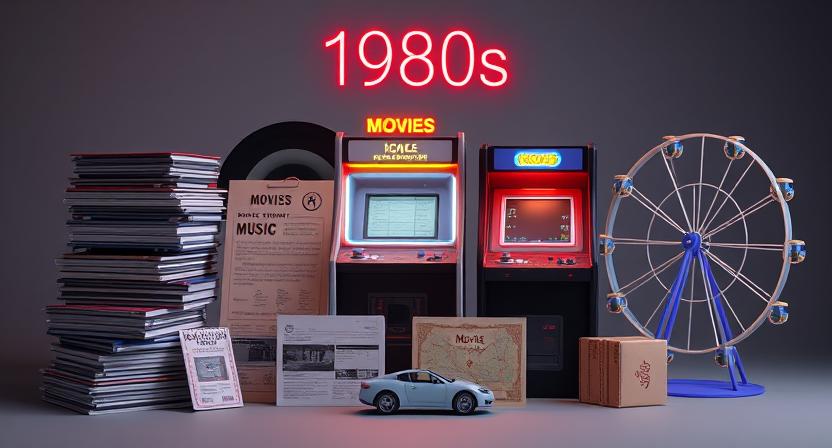
Movies, Arcades, and Music
Entertainment in the 1980s was affordable, hands-on, and wonderfully social. Going to the movies, for example, was a treat that didn’t empty wallets. A typical movie ticket cost around $3–$4, and a small bag of popcorn might run $1–$2. Families could enjoy an evening out for under $10—a far cry from the $50+ many pay today for tickets, snacks, and drinks.
Arcades were another staple of 1980s fun. Kids and teens could spend hours playing Pac-Man, Donkey Kong, or Space Invaders for just a few quarters per game. For $1, a child could experience multiple games, challenge friends, and feel like they’d been transported into another world. Arcades weren’t just about entertainment—they were social hubs, making fun both affordable and interactive.
Music also had its golden era of accessibility. A brand-new vinyl record or cassette tape typically cost $7–$10. Teens could buy their favorite albums, record songs off the radio, and share music with friends without draining their allowance. Concert tickets were cheaper too, often ranging $10–$20 for big-name artists—making live music a realistic experience for many.
Vacations and Weekend Getaways
Travel in the 1980s was surprisingly affordable as well. A family could plan a weekend road trip without worrying excessively about costs. Gas was cheap, motels were modestly priced (around $25–$40 per night for a standard room), and attractions like amusement parks or local museums had reasonable entry fees.
Even air travel, though not as ubiquitous as today, was more affordable relative to income in some ways. With fewer fees and simpler ticketing systems, flying domestically could be done for a few hundred dollars round-trip—still a splurge, but manageable for middle-class families.
Why Leisure Was Affordable
Several factors combined to make entertainment in the 1980s cheaper and more enjoyable:
1. Lower prices across the board – Movies, music, games, and travel all cost less in real terms.
2. Simpler technology – Entertainment was less reliant on expensive devices or subscriptions. A game console or tape player was a one-time purchase, not a recurring cost.
3. Family-focused culture – Activities were designed to be accessible to households, encouraging family outings without breaking the bank.
4. Local and social opportunities – Parks, libraries, community centers, and arcades offered entertainment for minimal cost.
Whether it was the thrill of an arcade high score, the joy of a weekend road trip, or the simple pleasure of a night at the movies, the 1980s made entertainment feel both abundant and affordable. Families and young people could indulge in fun without constant financial stress, creating memories that many still cherish today.
6. Fashion and Clothing

Everyday Wear: Affordable Trends
The 1980s were a decade of bold fashion choices: neon colors, acid-wash jeans, leg warmers, shoulder pads, and sneakers that practically glowed. But beyond the bright trends, the everyday clothing of the decade was remarkably affordable.
A typical pair of jeans cost $20–$25, while t-shirts could be purchased for $5–$10. Sneakers from popular brands like Converse or Reebok ran $25–$40, and jackets were priced to suit the average family budget. Sales, outlets, and department stores made trendy clothing widely accessible. Even children’s clothing, which often grows out of quickly, was cheap enough that parents could keep up without worry.
Fashion wasn’t just affordable—it encouraged experimentation. Teens could embrace quirky styles without breaking the bank, making the decade one of self-expression and creativity in clothing.
Designer Brands: A Different Kind of Luxury
Luxury fashion did exist, of course, but it was less omnipresent and more aspirational. Designer jeans, jackets, and accessories were expensive but still more accessible than today’s high-end prices. A Ralph Lauren polo or a Tommy Hilfiger sweater could cost $40–$60, a splurge for many but not an unattainable one. In contrast, the same brands today often cost hundreds of dollars per item.
This balance meant that most people could dress well without spending exorbitantly, while those with a taste for luxury could occasionally indulge without depleting their savings.
The Role of Retailers and Malls
The rise of shopping malls in the 1980s also contributed to affordability. Stores like The Gap, Sears, and Kmart made a variety of styles accessible under one roof. Seasonal sales, couponing, and promotional discounts were part of everyday shopping culture, allowing families to stretch their clothing budgets further.
Furthermore, fewer specialized brands and less focus on “fast fashion” meant that clothing could last longer and retain value. Items were practical, durable, and stylish in a way that worked for everyday life.
Why Clothing Felt Cheaper
1. Lower base prices – Most everyday clothing was genuinely inexpensive.
2. Durable materials – Garments were designed to last longer, reducing replacement costs.
3. Retail culture – Department stores and malls created competitive pricing and frequent promotions.
4. Cultural attitudes – Clothing was functional and stylish, but there was less emphasis on luxury consumption for the average household.
For many, fashion in the 1980s wasn’t just about looking good—it was about feeling free to explore personal style without worrying about overspending. Whether it was neon workout gear, classic denim, or a special outfit for a night out, clothing remained an affordable form of self-expression for nearly everyone.
7. Technology and Gadgets
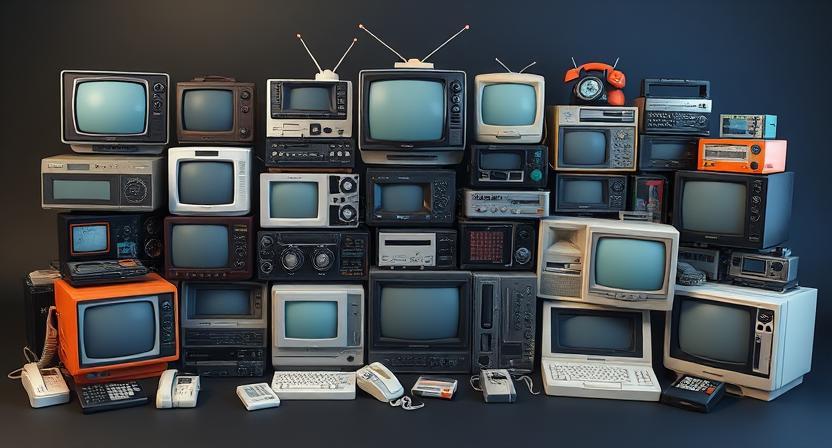
Personal Electronics: Radios, TVs, and Early Computers
The 1980s were a transformative era for technology. Devices that today seem basic were revolutionary back then—and surprisingly affordable.
– Televisions: A color TV in 1985 could be purchased for around $200–$400, depending on the size and brand. For many families, this was a major household purchase, but it was still within reach for a middle-class budget. Cable subscriptions were optional, and antenna reception offered free access to entertainment.
– Radios and Stereos: A quality AM/FM radio or cassette stereo system ran $50–$150, giving households music and news at an accessible price. Portable boomboxes became cultural icons, allowing teens to carry their music everywhere.
– Early Computers: The rise of personal computers, like the Commodore 64 or Apple II, made technology accessible to families and schools. These machines typically cost $500–$1,000, which seems steep, but many families viewed it as an investment in education and future skills. They were simpler and easier to repair than modern PCs, making them practical long-term purchases.
Phones and Communication
Cell phones were in their infancy, with large “brick” models costing $3,000 or more, so they weren’t household staples. However, landlinephones were widespread and inexpensive. A standard push-button phone could cost $20–$40, and local calls were cheap, making communication affordable for nearly every household.
Payphones were everywhere, adding another layer of convenience and cost-efficiency for those on the go. Letters and postcards also remained popular, affordable ways to stay connected, often costing just $0.20–$0.30 per stamp.
Why Technology Felt Accessible
Several factors made 1980s technology affordable.
1. Simplerdesigns – Electronics were less complex and cheaper to manufacture.
2. Longer lifespans – Devices were durable, with fewer planned obsolescence cycles than today.
3. Cultural adoption – Schools, businesses, and households invested in tech for practical purposes, spreading costs across a wide user base.
4. Entertainment without recurring costs – Unlike today’s subscription-driven model, once you bought a TV, stereo, or computer, the cost ended there.
Technology in the 1980s offered both utility and fun without the constant financial drain that modern gadgets and services can impose. Families could enjoy music, communication, and early computing at prices that, adjusted for inflation, were remarkably reasonable.
8. Why Everything Seemed Cheaper
Inflation and Economic Context
At first glance, it’s easy to think that things were just “cheaper” in the 1980s because prices were lower. While that’s technically true in nominal terms, the bigger picture involves inflation and the relative value of money.
In 1985, a dollar could buy far more than it does today. Average annual inflation in the early 1980s fluctuated but remained high at times due to oil shocks and economic adjustments. By the mid-to-late 1980s, inflation stabilized, making everyday purchases feel predictable and manageable.
Even adjusting for inflation, however, many goods and services were genuinely more affordable relative to today’s standards. Gas, groceries, housing, and entertainment all cost less as a percentage of a family’s income, giving households more disposable income for leisure, savings, or other priorities.
Wages and Purchasing Power
Another key factor was wages relative to prices. While salaries weren’t astronomical, they were generally well-matched to the cost of living. The median household income in 1985 was around $23,000–$25,000, which, when combined with lower living costs, allowed for a comfortable lifestyle.
For comparison: a family could buy a home, pay for utilities, feed themselves, and still have money for entertainment or savings. Today, median incomes have risen, but so have costs—often at a faster rate than wages—making the same lifestyle far less attainable for many.
Cultural and Lifestyle Differences
Affordability wasn’t just about economics; it was also about lifestyle. Families in the 1980s often prioritized practicality:
– Shopping locally rather than online or at specialty stores
– Fewer subscription-based services or hidden fees
– Dining out was an occasional treat rather than a frequent habit
– Leisure focused on free or low-cost activities like parks, community events, and home entertainment
This combination of lower prices, balanced wages, and a frugal lifestyle created the perception—and reality—of a more affordable life.
Other Contributing Factors
1. Fewer regulatory or luxury costs – Less emphasis on luxury goods, premium services, and “extras” that inflate modern prices.
2. Simpler technology and production – Manufacturing was more straightforward, reducing costs.
3. Globalization was emerging – While imports existed, the global trade system wasn’t as heavily leveraged for premium pricing as it is today.
In short, everything seemed cheaper not just because of inflation but because of a unique economic and cultural alignment. Families could enjoy daily life, meet their needs, and even indulge in fun activities—all without the financial pressure many face today.
9. Lessons from the 1980s for Today

Budgeting and Smart Spending
One of the clearest lessons from the 1980s is the value of practical budgeting. Families were able to stretch their dollars effectively because they prioritized needs, tracked expenses, and avoided unnecessary splurges.
– Buy what you need, not what’s trendy – While fashion and technology were fun, most households focused on items that provided real value.
– Plan meals and groceries – Shopping lists and weekly meal planning helped families stay on budget, reducing food waste and unnecessary purchases.
– Invest in long-term value – From durable clothing to reliable cars, purchases were often made with longevity in mind.
Even in today’s high-cost world, adopting these habits can help modern families reclaim some of the financial freedom that people experienced in the 1980s.
Embracing Simplicity in Lifestyle
The 1980s also remind us that life doesn’t need to be complicated to be enjoyable. Entertainment, socializing, and personal fulfillment didn’t rely on expensive subscriptions, gadgets, or constant consumption.
– Free or low-cost activities – Parks, libraries, and community centers provided entertainment and education at minimal cost.
– Home-based fun – Board games, movie nights, and DIY hobbies created memorable experiences without heavy spending.
– Mindful consumption – People often focused on quality over quantity, buying fewer but more useful items.
By embracing simplicity, modern families can reduce financial stress while still enjoying life.
Nostalgia vs. Reality
While the 1980s were more affordable in many ways, it’s important to balance nostalgia with reality. Some costs, like mortgages during high-interest years or certain luxury goods, were still challenging for families. However, the general accessibility of essentials and the predictable cost structure made day-to-day living much more manageable.
The lesson is not to try to recreate the past but to adapt the principles: prioritize practical spending, focus on durable and useful items, and enjoy low-cost ways to live fully.
The Enduring Appeal of the 1980s
Even today, we admire the 1980s for its balance of fun, affordability, and practicality. By learning from the decade, we can blend modern conveniences with the financial wisdom of the past, creating a lifestyle that’s both enjoyable and sustainable.
10. Conclusion
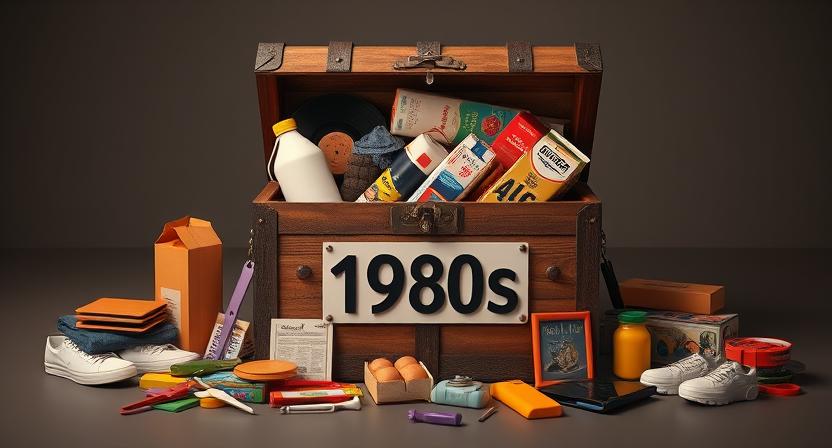
Reflecting on the Price of the Past
Looking back at the 1980s, it’s clear why so many people remember the decade as a time when everything was cheaper. From groceries and housing to entertainment, fashion, and technology, prices were lower, incomes were relatively stable, and day-to-day life felt more financially manageable. Families could enjoy simple pleasures without constant worry about stretching their budgets, and young people could explore hobbies and trends without breaking the bank.
But beyond the numbers, the 1980s offer a deeper lesson: affordability was intertwined with lifestyle. People embraced simplicity, valued durability, and made thoughtful choices about spending. This combination of economic conditions and cultural habits created a sense of financial ease that is rare today.
What We Can Appreciate Today
While we can’t go back in time, we can learn from the era. The 1980s remind us that smart spending, practical choices, and enjoying life’s simpler pleasures can bring satisfaction—sometimes more than the pursuit of luxury or the latest gadgets.
Modern life may be more expensive, but by adopting some of the principles of the 1980s—mindful consumption, valuing durability over trends, and embracing low-cost leisure—we can find balance in today’s world. Nostalgia isn’t just about reminiscing; it’s a guide for building a more affordable, intentional lifestyle now.
In the end, the 1980s weren’t just cheaper—they were a time when life felt accessible, practical, and full of possibilities. And those lessons still resonate, offering inspiration for anyone seeking to make the most of their dollars and enjoy life to the fullest.
 Totally Retro: 80s Edition
Leave a comment