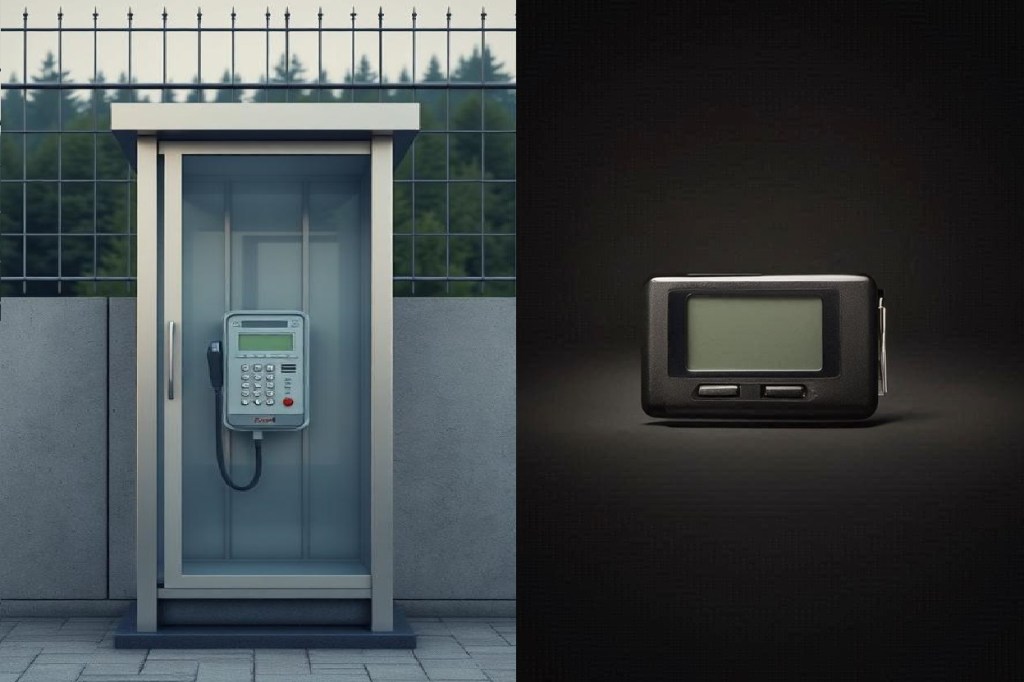
Section 1 — Introduction: Life Before Smartphones
Imagine a weekday morning in 1986. The apartment hums with the clack of a typewriter or the distant whir of a cassette recorder. The kitchen phone — a corded landline mounted on the wall or sitting in a cradle on a little hall table — is the main lifeline to the outside world. If you’re expecting an important call, you plan your day around being near that phone. If you miss it, you hope the caller leaves a message on your answering machine (the small plastic box with the tape inside that chugs and rewinds), or you’ll call back and ask, “Did you try Mom’s number?” The idea of carrying a device that could ring you anywhere, any time, is still something out of science fiction.
This post explores that in-between world: the daily rhythms, social rules, and infrastructure of pre-cellphone communication — the era when beepers and payphones were essential pieces of urban life and workplace logistics. Before we get into the specific machines, trends, and the eventual collision with mobile telephony, it helps to set the scene: what did connectivity actually feel like in day-to-day terms? What did people rely on and how did that shape behavior?
A network built for homes and offices
The backbone of everyday communication was the Public Switched Telephone Network (PSTN) — copper wires, switchboards, and exchanges built to connect houses, businesses, and public phones. Phones were mostly fixed: each number corresponded to a physical location. That simple constraint shaped expectations. If someone called, they were calling a place — a kitchen, an apartment, an office — not a person-on-the-go. Offices had dedicated lines and often switchboards or secretarial staff who routed incoming calls. Households could have one line (one ringing device) or a few, but portability was limited to how far the cord reached.
Because the system was location-tied, people developed rituals around communication: scheduled calls, leaving windows of time for important conversations, and using intermediaries (office receptionists, friends, or family) to pass messages. Privacy and immediacy had different meanings — privacy meant the sanctity of the household phone, and immediacy often meant “as soon as I can get back to the phone.”
Answering machines, beepers, and the art of waiting
The answering machine was the first major concession to “missed calls.” Sitting beneath or next to the telephone, these devices gave callers a way to leave a recorded message (or, in earlier, simpler models, a mechanical announcement). They shaped a new etiquette: concise messages, mention of callback numbers, and the ritual of replaying messages and transcribing important details. For many families and small businesses, the answering machine was both relief and mild anxiety — you didn’t have to be physically present to be contacted, but you still weren’t instantly reachable.
Beepers (pagers) and public payphones started to sit alongside the answering machine as complementary tools. Beepers offered a way to reach a person away from the landline — but not with a conversation. Beeps and short numeric messages began to promise a taste of mobility without the full functionality of a phone. Payphones, meanwhile, were the democratic stopgap: anyone could make a call from the street, given the right change or a calling card.
Public spaces as communication hubs
Without pocket phones, public places became intentional nodes of contact. Office lobbies, diner booths, and street-corner payphones functioned as meeting points and fallback locations. People arranged to meet “by the payphone at the corner of Main and Third” or told friends to “call me from the payphone across from the cinema when you get here.” Social plans often included explicit instructions for when and where calls could be made.
This created a richer shared geography around communication. A city map wasn’t only about streets and shops — it was a map of where you could be reached. Payphones were more than tools; they were landmarks and conversation props. Their presence (or absence) could change how comfortable someone felt leaving the house without a specific plan.
The cost and the calculus of calling
Cost changed how people used the phone. Long-distance charges and per-call fees influenced whether someone would call, how long they’d talk, and whether they’d use alternative methods like postcards or letters for complex updates. A 10-minute catch-up across states could be expensive; people learned to economize—planning succinctly worded calls, using callbacks, or saving up questions for a single longer conversation. Many households had one primary phone line, so coordinating usage was a small household management task.
Public payphones introduced their own micro-economics: quarters, tokens, and the ritual of feeding a machine while hoping it wouldn’t swallow your call. Payphone etiquette developed — waiting your turn, letting someone finish a call before taking the booth, and sometimes helping out if a cranky machine refused change.
Social expectations and availability
Because being reachable was tied to places more than to people, expectations for availability were distinct from the always-on culture of today. You might be “unreachable” simply because you weren’t near your phone. That uncertainty shaped social norms: people scheduled calls, left precise instructions, and were less likely to demand instant responses. Work-life boundaries were, in some ways, clearer — if you weren’t at the office, you were often assumed to be offline.
Still, certain professions demanded higher availability. Doctors, journalists, and emergency services used specialized communication tools (like beepers and dedicated lines) to receive urgent messages. For everyone else, being “on call” was a negotiation — a family might rotate the responsibility of staying near the phone during a parent’s job search, or a teenager might coordinate meet-ups around a friend’s landline.
Cultural texture — from film to daily jokes
The era’s communication practices appear again and again in 1980s pop culture: characters anxiously checking a rotary-wall phone, clandestine conversations in phone booths, or the dramatic couriering of information when a call couldn’t be made. These images reinforced the emotional valence of the phone — it was a conduit of intimacy, suspense, and logistical coordination.
Comedy and drama both mined the quirks of the time: missed calls leading to misunderstandings, the horror of an answering machine filled with static, or the awkwardness of overhearing a private conversation in a public booth. These recurring motifs made the technology part of the shared cultural imagination.
Why this matters
Understanding the pre-cellphone landscape clarifies two things: first, how much infrastructure, etiquette, and behavior were built around location-bound communication; and second, why innovations like pagers and public phones mattered so much in their time. They solved real social and logistical problems and shaped lifestyles in ways that feel familiar when we recall them — but they did so under constraints that made those solutions imperfect, creative, and often charming.
This introduction sets the stage. In the following sections, we’ll dig into the machines and institutions themselves — how beepers worked and who used them, the economics and sociology of payphones, and the slow, uneven way mobile phones began to rewire daily life. For now, carry this mental snapshot of “life before smartphones”: the rituals, the waiting, the art of the callback — all of which make the later technological shifts feel less like inevitability and more like a series of clever responses to real human needs.
Section 2 — The Birth of the Beeper: A Status Symbol and Lifeline
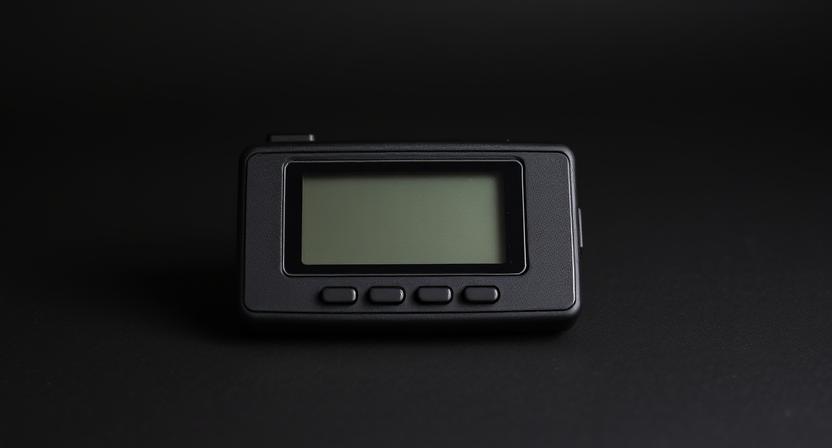
In the mid-1980s, if you were walking down a city street and noticed someone subtly glancing at a small device clipped to their belt, you were witnessing the cutting edge of personal communication: the beeper, also known as a pager. These compact gadgets, often rectangular and made of plastic with a small LED screen or numeric display, offered a new kind of connectivity. Unlike the landline tethering you to home or office, the beeper promised mobility—but in a uniquely limited, yet thrilling, way.
Origins and Technology
The first commercial pagers appeared in the late 1940s, but it wasn’t until the late 1970s and early 1980s that they became accessible to broader markets. Early models were simple: they could only alert the user with a beep or vibration and sometimes display a phone number. To decode the message, the recipient would locate a landline phone and return the call. These “tone-only” pagers were followed by numeric pagers capable of displaying short sequences of digits, typically a callback number, and eventually alphanumeric models that allowed brief written messages.
The underlying technology was deceptively complex. Pagers relied on radio transmitters connected to the telephone network. When someone dialed the pager’s number, the system would send a signal through the transmitter, triggering the device to beep or vibrate. The limitations of battery life, transmission range, and message length made the device a tool for concise, urgent communication rather than lengthy conversations.
Beepers as Professional Tools
The first widespread adopters were professionals who needed to be reachable at all times. Doctors, emergency personnel, and executives found the device invaluable. A hospital’s pager system allowed physicians to be contacted immediately about emergencies without being physically present in the hospital. In business, executives and salespeople could respond quickly to important calls without leaving the office or missing a meeting. Pagers created an invisible tether—users were no longer tied to a desk, but still reachable whenever necessity struck.
For these early adopters, the beeper wasn’t just a gadget; it was a badge of responsibility and authority. Carrying one signaled that you were important, indispensable, or trusted. In some industries, not having a pager could even imply that you weren’t serious about your role or weren’t reachable enough for your job’s demands.
Teenage Adoption and Cultural Impact
By the mid-to-late 1980s, pagers had trickled down beyond professional circles and into the hands of teenagers and young adults. Numeric pagers, in particular, allowed friends to leave short messages that often doubled as secret codes or playful teases. Teens would pass their pager numbers to friends and coordinate hangouts or deliver urgent gossip. In a time before texting, these devices introduced a new layer of social agility: you could be mobile, discreet, and still connected.
This adoption also cemented the pager as a status symbol. Just like a designer jacket or a flashy car, a pager broadcasted sophistication, independence, or simply belonging to the “in” crowd. Movies, TV shows, and teen magazines showcased these devices, reinforcing their allure. Iconic 1980s teen comedies often featured frantic runs to a payphone or a dramatic beep that prompted a chase to a secluded corner to return the call, highlighting the tension and excitement that came with being reachable on demand.
Lingo and Etiquette
With the rise of numeric pagers came a unique language. A three- or four-digit number could carry meaning beyond a simple callback request. Some users developed codes: a series of digits might represent a time, a location, or even a sentiment. “911” could mean “urgent,” while sequences like “143” were romantic shorthand (“I love you”). Returning a page promptly became a social expectation, especially among peers, and ignoring a beep could signal disinterest or disrespect.
In workplaces, etiquette was more formal. Doctors, for example, were expected to respond to certain pages immediately, while other calls could be deferred. The balance between urgency and intrusion became a new social and professional skill.
Limitations and Challenges
Despite their novelty and utility, beepers had clear limitations. They could only deliver short messages, often numeric or alphanumeric. There was no way to initiate a conversation from the pager itself—you still needed a landline or payphone. Battery life was finite, and losing a pager or letting it run out of power could have serious consequences in both professional and social contexts. Additionally, coverage was limited; rural or remote areas often had patchy reception, making pagers primarily an urban or suburban phenomenon.
These limitations, however, didn’t diminish the impact of the devices. On the contrary, they encouraged creative uses, whether it was leaving coded messages among teens, coordinating emergency responses, or negotiating business logistics with minimal fuss. Pagers reshaped the very idea of availability and responsiveness, setting the stage for the mobile communications revolution that would follow.
Why the Beeper Matters
The beeper represents a fascinating moment in communication history: a bridge between location-bound telephony and the mobile, always-on culture we take for granted today. It offered the first taste of true mobility, the thrill of being connected without being tethered, and the social currency of being reachable. It also introduced patterns of communication—short, urgent, coded—that would later inform texting, instant messaging, and push notifications.
In short, the beeper was both a tool and a cultural artifact. It met practical needs while shaping behavior and social expectations, making it one of the most iconic pre-cellphone devices of the 1980s.
Section 3 — Payphones on Every Corner
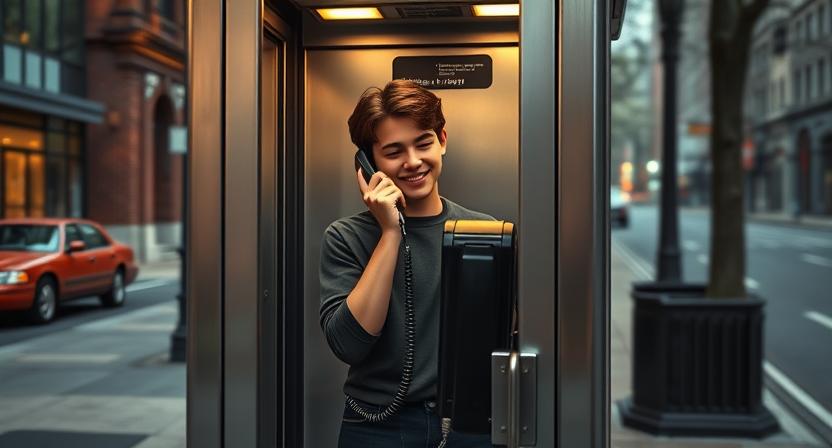
Before the cell phone era, the payphone was a fixture of everyday life — as familiar and essential as the corner store or the bus stop. You could find them in airports, diners, shopping malls, hotel lobbies, gas stations, and on nearly every busy street corner. Sleek and metallic, often enclosed in glass booths or mounted on walls, they were public portals into the wired world — connecting strangers, lovers, workers, and travelers alike.
In the 1980s, the public payphone wasn’t just infrastructure; it was part of the social fabric. It represented accessibility, independence, and, at times, desperation. Everyone, from high-powered executives to high school kids, relied on these coin-fed machines to bridge distances and make life move.
The Golden Age of Public Payphones
The 1980s marked the high-water point for payphone usage in North America. Telephone companies like AT&T and Bell Canada maintained millions of units across cities and small towns. By mid-decade, there were estimated to be over 2 million public payphones in the U.S. alone. Each one was built for reliability: rugged steel housings, heavy plastic handsets, and mechanical coin slots designed to withstand both heavy use and frequent abuse.
Using one was almost ritualistic. You’d lift the receiver, listen for the dial tone, and drop in a coin — a dime, a quarter, or later, a specialized phone token. The metallic clink confirmed your call could proceed. If you needed more time, you’d feed in additional coins while watching the seconds tick away.
In many ways, the payphone was the great equalizer. Whether you were a traveling salesperson, a teenager calling home, or someone who couldn’t afford a home phone, the payphone gave everyone access to communication. It was democratic, accessible, and anonymous — no account, no contract, just a few coins and a need to connect.
The Social Pulse of the Streets
Payphones were not merely tools — they were social landmarks. They often became the centerpieces of daily routines: “Call me when you get to the payphone near the library” or “I’ll wait by the booth on King Street.” For urban dwellers, they provided reassurance — that no matter where you were, you could reach out for help, directions, or company.
They were also silent witnesses to countless human moments. Nervous job seekers rehearsed lines before dialing. Couples whispered sweet nothings while shielding the receiver from the wind. Friends called each other after midnight, using pocket change and patience to coordinate weekend plans. Strangers sometimes waited politely in line, pretending not to overhear another person’s private conversation.
In smaller towns, the single payphone outside the post office or general store could serve as the community’s informal switchboard. It was where travelers checked in, families shared news, and teenagers plotted their next move.
Iconic Imagery and Pop Culture Presence
Few symbols of communication are as instantly recognizable as the glass-paneled phone booth. Throughout the 1980s, it appeared everywhere — in music videos, advertisements, and movies. Think of Superman ducking into one to change into his costume, or a hero in an action film desperately feeding coins into a payphone during a chase scene.
In films like WarGames (1983) or Ferris Bueller’s Day Off (1986), the payphone was both prop and plot device — a way to create suspense, humor, or urgency. It represented the tension between reachability and limitation: every call made was a race against time, a negotiation with distance. Even album covers and TV shows of the era occasionally featured payphones as shorthand for loneliness, connection, or rebellion.
In music, the payphone’s legacy persisted as a motif of separation — calling from afar, missing someone, or reaching out despite barriers. Its metallic echo and tactile nature lent it an almost cinematic romance that smartphones could never replicate.
The Mechanics Behind the Call
Technically, payphones were marvels of analog engineering. Inside each box was a carefully designed system of relays, switches, and coin validators that connected to the larger telephone grid. When a coin dropped, it didn’t just clatter into a box — it triggered a mechanism that authenticated the payment before allowing the call to proceed.
Phone companies performed regular maintenance runs, collecting coins, cleaning the booths, and repairing vandalized equipment. In the busiest districts, a single payphone could generate hundreds of dollars per week in revenue — proof of just how integral they were to the public communications network.
By the late 1980s, calling cards began to supplement coin use. People could purchase prepaid or billed cards with long numeric access codes, which they would punch into the keypad to make a call without coins. These innovations extended the payphone’s life and made it even more appealing for travelers and professionals who didn’t want to fumble for change.
Payphones and the Human Connection
Payphones, though public, created intensely personal experiences. You were never more aware of your own voice than when you spoke into that cold handset, the sounds of the street around you merging with the faint hum of the line. Calls were fleeting — time literally ticking down as your coins dwindled — but those moments mattered.
They also reinforced patience and intentionality. You had to prepare what you wanted to say, make sure you had enough change, and hope your recipient was home to answer. A missed connection meant trying again later — there were no text messages or voicemails to fall back on. This ritual added weight to every call: you didn’t pick up a payphone to say nothing; you picked it up because something mattered.
Accessibility and Dependence
Public phones were especially vital for people without private lines — travelers, low-income families, and students living in dorms or apartments without individual phones. They were lifelines in emergencies: calling cabs, ambulances, or loved ones. Payphones were also the fallback during power outages, when home phones or answering machines might be down.
In some neighborhoods, the payphone even doubled as an informal help network — a place to check in with neighbors, report problems, or contact local businesses. For those without stable housing, it was one of the few ways to stay connected to services, family, or employment opportunities.
A Symbol of Its Time
The payphone embodies the tension of the pre-cellphone world: connection and limitation coexisting in one object. It was both liberating — letting anyone reach anyone else from virtually anywhere — and restrictive, demanding planning, patience, and sometimes, luck.
Looking back, it’s easy to see the payphone as quaint or obsolete, but during the 1980s, it was nothing short of indispensable. It filled the gaps between homes, workplaces, and people in motion. The quiet booths and ringing kiosks on city corners were the heartbeat of public communication — physical reminders that connection required effort, space, and sometimes, a handful of coins.
Section 4 — A World Connected — Sort Of
The 1980s were a paradox of communication. On one hand, technology was advancing rapidly — satellites, fiber optics, and digital switches were transforming how information flowed. On the other, everyday people still relied on slow, limited, and location-bound methods to stay in touch. Society was connected, yes — but only sort of. The illusion of constant contact existed, yet it required coordination, patience, and a dash of luck.
This was an era defined by waiting. Waiting for a phone call. Waiting by the answering machine. Waiting for your pager to beep, or for your turn at the payphone. Connectivity was real, but it was never instantaneous. The human experience of communication was deliberate — built on planning, routine, and anticipation.
The Rhythm of Communication
The daily rhythm of communication in the 1980s revolved around specific touchpoints. Home phones and office lines were the anchors — fixed and predictable. Families often arranged their evenings around expected calls: a parent calling from work, relatives checking in, or teenagers negotiating curfews and rides.
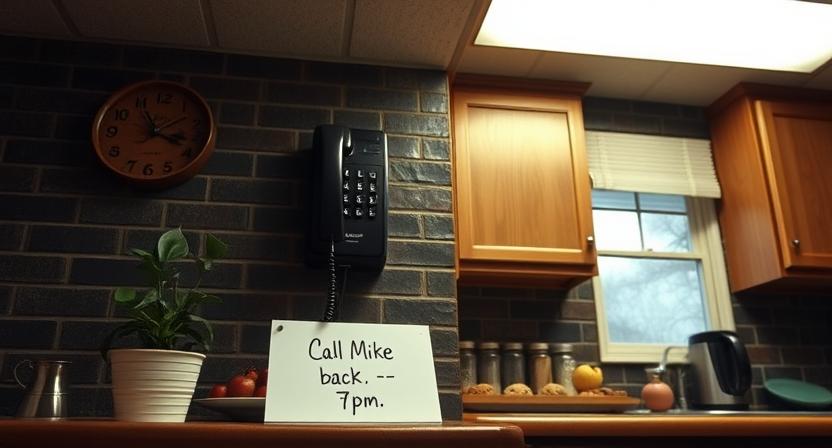
If you missed a call, you’d have to play phone tag — leaving messages with family members or scribbling notes on kitchen pads (“Call Mike back — 7 p.m.”). The phrase “Did you get my message?” carried real weight because messages were tangible: voice recordings, handwritten notes, or word-of-mouth reminders.
For businesses, communication was even more structured. Offices relied on secretaries, receptionists, and switchboards to manage the flow of calls. Salespeople, delivery drivers, and technicians often checked in from payphones, calling headquarters to report progress or receive instructions. The tools of communication were reliable but slow — and that slowness shaped how people interacted.
The Art of Being Reachable
Being reachable in the pre-cellphone era was both a skill and a strategy. You learned to predict where someone might be, when they might answer, and what backup methods could work if you missed them. For instance, a doctor on call might leave a schedule of locations — “at the clinic until 5, then at home by 6:30.” A business traveler might leave a list of hotel numbers with their secretary. Parents told their kids, “Call me when you get there,” meaning literally find a phone and make contact.
For professionals, especially in healthcare, media, and logistics, beepers became crucial in bridging these gaps. They didn’t guarantee a full conversation, but they provided a signal — a digital knock on the door of someone’s attention. For everyone else, the fallback was public infrastructure: the rows of payphones at train stations, airports, and shopping centers that kept the system stitched together.
This partial connectivity gave people freedom, but it also imposed discipline. If you promised to call someone, you had to. Missing a call or failing to follow up wasn’t just rude — it could derail an entire plan or cause genuine worry. The social contract around communication was strong because the tools demanded reliability and consideration.
The Emotional Geography of Distance
Every technological era shapes how people feel about distance. In the 1980s, long-distance calls were expensive enough to carry emotional weight. Hearing a loved one’s voice from across the country felt like an event — something special, not casual. People wrote letters for everyday updates and reserved phone calls for moments of urgency, celebration, or intimacy.
Time zones, too, mattered in a way that feels foreign today. You had to calculate when it was appropriate to call someone — factoring in both geography and etiquette. A midnight call could mean bad news; an early morning ring might startle someone from sleep. The phone, while powerful, carried emotional gravity. Every ring meant something.
Technology Creates New Gaps
Ironically, as communication tools expanded, so did the gaps between them. Answering machines created a sense of deferred communication — you could leave a message, but not know when it would be heard. Beepers allowed messages to reach people quickly, but they required a secondary action — finding a phone to respond.
In a sense, the 1980s were the prototype of today’s digital juggling act: multiple channels of partial contact. A doctor’s beeper, a business fax, a home answering machine — each tool handled part of the conversation, but none offered seamless continuity. People lived in a world of fragments, constantly bridging one medium to the next.
Social Habits and Human Adaptation
Despite these constraints, people adapted beautifully. Teenagers found creative ways to stretch communication — arranging specific ring patterns on home phones (“Two rings means it’s me”), using numeric pager codes, or sharing calling card PINs. Office workers developed shorthand for internal memos and used intercom systems as mini-networks. Families coordinated by leaving notes on refrigerators alongside reminder magnets.
There was a slower tempo to life, but also more intentional communication. Without instant replies or read receipts, people had to trust — trust that someone would call back, that a message would be received, that plans would hold. The absence of immediacy fostered patience, anticipation, and, in a way, a deeper sense of presence. When you did finally connect, the moment mattered.
Pop Culture Reflections
Films, TV shows, and commercials from the 1980s often reflected this partial connectivity. Storylines revolved around missed calls, crossed wires, or messages that arrived too late. In romantic comedies, lovers rushed to the airport payphone to make one last call before the plane took off. In thrillers, tension built around characters being unable to reach someone in time.
Even in advertising, phone companies leaned into this emotional landscape — selling connection as something precious and hard-won. AT&T’s famous “Reach out and touch someone” campaign from the 1980s captured that spirit perfectly. It wasn’t about convenience; it was about the emotional power of the human voice traveling across distance.
A Transitional World
The 1980s world of communication was a liminal one — no longer purely analog, but not yet fully mobile. Beepers, payphones, and answering machines formed a patchwork network of connectivity that worked well enough to keep life moving, but still left gaps you could fall through.
This partial connection defined a generation’s habits and expectations. It made people more deliberate, more resourceful, and perhaps more present. The technology may seem quaint today, but the rhythms it created — the pauses, the patience, the planning — gave communication a texture that modern instant messaging often lacks.
In short, the 1980s were connected — just not continuously. It was a world where every call mattered, every beep had meaning, and silence in between wasn’t emptiness, but part of the rhythm of life itself.
Section 5 — The Turning Point: The Arrival of the Cell Phone
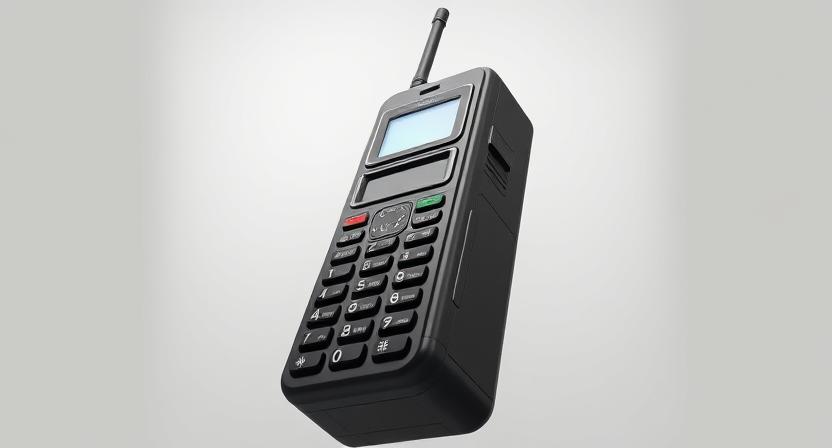
By the late 1980s, a quiet revolution was unfolding — one that would soon reshape human communication forever. It began not with sleek, pocket-sized devices, but with bulky, boxy contraptions that looked more like military equipment than personal accessories. The first generation of cell phones was heavy, expensive, and somewhat awkward to use. Yet their mere existence signaled the beginning of the end for beepers, payphones, and the waiting culture that had defined the previous decades.
The world was on the cusp of mobility without compromise — a technology that would finally make the dream of instant, personal connection anywhere a reality.
From Luxury to Lifeline
The very first commercial cellular phone call in the United States was made on October 13, 1983, using the Motorola DynaTAC 8000X — a device that would become a technological icon. Standing at nearly a foot tall and weighing around two pounds, it earned nicknames like “The Brick” and “The Shoe.” Its price tag? Nearly $4,000 USD — equivalent to over $11,000 today.
Owning a cell phone in the 1980s was a mark of privilege and power. The earliest users were corporate executives, real estate agents, and high-level professionals — people whose work demanded constant accessibility and who could afford the steep service fees. For these pioneers, the cell phone wasn’t just a tool; it was a status symbol. A call made from a car or a briefcase phone said something about success, ambition, and modernity.
As one executive famously quipped in 1987, “The cell phone doesn’t just let me make deals faster — it lets everyone see I’m the kind of person who makes deals.”
The Technology Behind the Transformation
Cellular networks worked differently from traditional landlines or beepers. Instead of relying on a fixed connection or a single radio tower, cellular systems divided geographic areas into “cells,” each with its own tower transmitting and receiving signals. As a user moved from one cell to another, the system seamlessly “handed off” the call.
This innovation allowed for true mobility — not just the illusion of it. No longer did someone have to find a payphone or wait for a beep to return a call. For the first time, a conversation could continue across miles of movement: from office to car to home.
However, early networks had limitations. Coverage areas were small, dropped calls were frequent, and the technology was largely confined to major cities. Battery life was also a persistent problem — the first DynaTAC offered only about 30 minutes of talk time and took 10 hours to recharge. Still, for those who used it, the trade-offs were worth it. It wasn’t about convenience yet — it was about potential.
The Cultural Shockwave
When cell phones began appearing in public, they drew stares. Seeing someone talking into a handset in the middle of the street or while walking through an airport was a novelty. There was an aura of science fiction about it — a sense that the future had arrived early.
Hollywood quickly picked up on this cultural moment. Films such as Wall Street (1987) and Lethal Weapon (1987) featured characters wielding early mobile phones as extensions of their personality. In Wall Street, Gordon Gekko’s massive cell phone became a visual shorthand for greed and excess — a symbol of power and mobility. The device wasn’t yet common, but it was already shaping the aesthetic of success in the “greed is good” decade.
Meanwhile, television commercials positioned the cell phone as liberation itself. Ads promised freedom from missed calls, from waiting, from tethered communication. The pitch was emotional: “Stay in touch anytime, anywhere.” For a generation used to waiting by the phone or dashing to the nearest payphone booth, it felt like a miracle.
Changing the Tempo of Life
As early adopters began integrating mobile phones into their daily routines, subtle cultural shifts emerged. Business deals could now be closed on the highway or from a golf course. Parents could check in on their children while driving home. Travelers could call ahead to confirm plans rather than hunting for a payphone at every stop.
The tempo of communication quickened. Waiting became less necessary. Urgency started to replace patience as a social norm. The expectation that someone could — and should — be reachable began to take root. This shift would accelerate in the 1990s as smaller, cheaper, and more reliable models hit the market, but the seed was planted in the late 1980s.
The cell phone didn’t just change how people communicated — it changed when they communicated. The boundaries between work and home began to blur. Conversations that once required planning could now happen spontaneously. That spontaneity, in turn, began to redefine relationships, routines, and even the concept of personal time.
The Slow Erosion of Old Habits
The rise of the cell phone didn’t immediately erase beepers or payphones, but it began to erode their dominance. Hospitals, emergency services, and field workers still relied on pagers for years, since cell coverage remained unreliable and costly. Payphones, though still ubiquitous, started to see slight declines in usage by the early 1990s as mobile networks expanded.
Yet even in this transitional phase, the writing was on the wall — or rather, in the airwaves. The convenience and prestige of mobile communication made it clear that older systems were living on borrowed time. The same people who once clipped pagers to their belts began trading them for portable cell phones.
The change wasn’t just technological; it was cultural. It marked the beginning of an era where availability became the default and inaccessibility required explanation. “Sorry, I missed your call” would soon become one of the most common phrases in the English language.
A Revolution in Motion
The arrival of the cell phone at the close of the 1980s was less a single event than a gradual awakening. It didn’t replace the old ways overnight — instead, it quietly rewrote the rules of communication, setting the stage for a world that would soon take mobility for granted.
It was the pivot point — the moment when humanity’s relationship with distance, time, and presence began to shift irreversibly. The beeps and dial tones of the past were giving way to a new sound: the uninterrupted hum of connection.
For those who lived through it, the feeling was electric. The future wasn’t coming anymore — it had arrived, glowing green on a tiny LED screen, ready to dial anyone, anywhere, anytime.
Section 6 — The Slow Goodbye: Decline Through the 1990s and Beyond

The 1990s marked the twilight years of the beeper and the payphone — two communication icons that had defined the previous generation. What began as indispensable tools for professionals, families, and everyday citizens gradually turned into relics of a pre-digital world. Their decline wasn’t sudden; it was a slow fade, an unhurried goodbye as the world learned to live without them.
By the dawn of the new millennium, the familiar sounds of coins clinking in a payphone and pagers chirping in hospital corridors had all but disappeared from the cultural landscape. The revolution promised by the cell phone was complete, and the once-vital stepping stones to mobile communication were relegated to history.
The 1990s Transition: When Old and New Coexisted
The early 1990s were a transitional era — a technological crossroads where beepers, payphones, and early mobile phones coexisted in an uneasy harmony. While cell phones were gaining popularity, they were still expensive, bulky, and inconsistent in coverage. Many people relied on both systems: a beeper to receive alerts and a payphone to make return calls.
Professionals, especially in medicine, law enforcement, and emergency services, continued to trust pagers because of their reliability. Unlike early mobile phones, pagers worked in buildings with thick walls and areas with weak cell reception. Hospitals buzzed with beeper alerts long after most business professionals had migrated to mobile phones.
Teenagers and college students, meanwhile, kept using pagers well into the decade as a cheaper alternative to mobile plans. Beepers had evolved — sleeker designs, more colors, and even customizable alert tones made them fashionable accessories. Owning a translucent neon pager in 1995 was like wearing a badge of tech-savvy coolness.
But this period of coexistence couldn’t last. As technology improved, convenience began to outweigh cost.
The Death of Distance
As the 1990s progressed, cellular networks expanded, devices shrank, and prices fell. What was once a luxury became accessible to the average consumer. By 1997, smaller “flip phones” from Motorola and Nokia replaced the brick-like models of the ’80s. Battery life improved dramatically, talk times increased, and mobile plans began offering free minutes and text messaging.
The combination of mobility, convenience, and affordability changed everything. Suddenly, people could make or receive calls anywhere — no more hunting for a payphone or returning a beeper page. Communication became effortless, spontaneous, and continuous.
The transformation was so rapid that even cultural attitudes shifted. What had once been symbols of prestige (the beeper, the office phone, the phone booth) began to feel dated, even cumbersome. Being tied to a fixed location now seemed inconvenient. Society was learning to expect — and demand — constant availability.
The Disappearing Payphone
By the late 1990s, payphones were in visible decline. Phone companies began decommissioning units as revenues plummeted. Maintenance costs, vandalism, and the rise of mobile phones made the once-profitable fixtures financially unsustainable.
Where once every corner had a booth, they began to vanish quietly, one by one. In cities, empty metal stands or ghostly outlines on walls marked their absence. In smaller towns, the removal was almost personal — a loss of security and connection.
For many, the disappearance of the payphone was bittersweet. It symbolized progress, yes, but also the erosion of a shared public resource. Payphones had been a safety net — a way to reach help, contact home, or simply call a cab when stranded. Their loss highlighted the growing assumption that everyone now owned a personal phone — a shift that left some behind.
Still, payphones lingered in airports, hospitals, and rural rest stops into the early 2000s, stubborn holdouts in a world that had moved on. Today, only a handful survive, often preserved as nostalgic artifacts or emergency backups.
The Beeper’s Last Stand
Beepers, meanwhile, enjoyed a longer afterlife in niche professions. Doctors, emergency responders, and field engineers continued using them well into the 2000s because of one crucial advantage: reliability.
Pagers operated on radio frequencies independent of cellular networks. They could transmit signals through concrete, underground, or in places where cell phones lost coverage. In a hospital or disaster zone, that reliability could mean the difference between life and death.
Even so, by the late 1990s, the general public had moved on. The beeper had lost its glamour and cultural relevance. What was once a badge of importance had become a sign of technological lag. Pop culture, which once celebrated the pager as sleek and modern, now mocked it as outdated. The transition was complete when beepers began appearing in nostalgia-driven TV shows as symbols of “the old days.”
A Cultural Shift in Communication
The fall of beepers and payphones wasn’t just about technology — it was about how people’s expectations changed. In the 1980s, communication required planning and patience. By the end of the 1990s, the world demanded immediacy. People no longer waited for callbacks; they expected answers now.
This shift also altered relationships. Families and friends stayed in touch more frequently, but often more superficially. The constant connectivity of the cell phone brought convenience, but it also dissolved some of the anticipation and meaning that once surrounded communication. The phrase “I’ll call you later” lost its gravity when “later” could mean “in two minutes.”
Meanwhile, the visual landscape of cities changed. Booths disappeared, street corners quieted, and the communal ritual of waiting one’s turn at a payphone faded away. What had once been a shared experience became individualized and private.
The Legacy of a Bygone Era
Despite their obsolescence, beepers and payphones left an indelible mark on the evolution of communication. They bridged the gap between fixed-line dependency and mobile freedom. They taught society how to manage availability, how to signal urgency, and how to maintain connection without constant contact.
Their decline reminds us that technology often advances by erasing its predecessors — not abruptly, but gradually, one convenience at a time. The world didn’t wake up one morning without payphones or pagers; it simply stopped noticing them.
Today, they live on in memory, in film, and in museums — relics of a time when being reachable required effort, when connection meant intention, and when every call mattered just a little more.
Section 7 — Echoes of a Bygone Era

Though the beepers have long gone silent and the payphones stand rusted or repurposed, their legacy still echoes faintly through the hum of our modern lives. They were more than just tools of communication — they were symbols of a world in transition, an era defined by waiting, intention, and the fragile dance between connection and distance. The 1980s and 1990s may have seen their rise and fall, but the habits, emotions, and social rhythms they created linger in ways most of us rarely notice.
Before smartphones made us permanently reachable, there was something grounding about the ritual of communication. You waited for a beep. You planned a call. You searched for a payphone, sometimes in the rain, sometimes at night, coins clutched in your palm. Connection required effort — and that effort gave every exchange meaning.
Nostalgia for a Slower Connection
Ask anyone who lived through the 1980s and they’ll tell you: there was a rhythm to communication then, one marked by patience and anticipation. When your beeper went off, you didn’t always know who was trying to reach you or why — a small thrill mixed with anxiety. And when you dialed a payphone number scribbled on a scrap of paper, there was a fleeting sense of mystery — will they answer? will they be there?
That uncertainty gave human interaction a special texture that’s largely lost today. Modern communication is instant, efficient, and constant — but it’s also predictable. The serendipity of missing someone’s call and meeting them later by chance has been replaced by the precision of GPS and read receipts.
For many who remember the era of beepers and payphones, nostalgia isn’t just for the technology itself but for the pace of life it represented. Messages weren’t answered in seconds. Conversations weren’t fragmented into dozens of text bubbles. Life unfolded at a tempo that allowed for pauses, reflections, and moments of genuine absence — something rare in the hyper-connected present.
The Aesthetics of the Past
In recent years, the visual and cultural nostalgia for 1980s communication has resurfaced. Beepers have become vintage collectibles, and payphones, once dismissed as obsolete, are being reclaimed as art installations and urban relics. Some cities — notably New York and London — have even preserved a few iconic booths as historical landmarks.
The aesthetic of the era — the glow of green pager screens, the metallic clink of coins in a slot, the transparency of neon devices — has found new life in film, photography, and retro design. What was once utilitarian is now “cool” again, symbolic of analog authenticity in a digital world.
The irony isn’t lost on anyone. The same generation that once raced to abandon these devices now seeks comfort in their memory. There’s something tactile and reassuring about them — their weight, their buttons, their sounds — that today’s touchscreens can’t replicate.
Lessons from the Beeper and the Booth
Beyond nostalgia, there are lessons to be learned from these bygone tools. Beepers and payphones existed in a time when communication carried a sense of purpose. Because each call cost money, each message had to matter. There were no “quick check-ins,” no endless scroll of notifications. To reach out meant to interrupt someone’s life, so you chose your moments carefully.
This intentionality fostered respect for personal space and time — a concept that feels almost foreign today. The “always-on” culture of the smartphone era has blurred boundaries between work, home, and leisure, often leaving people feeling both hyper-connected and emotionally distant.
The world before smartphones, though less convenient, offered something that’s worth remembering: the art of being unavailable. The ability to disconnect wasn’t a luxury — it was the norm. And in that quiet space between calls, people thought, rested, or simply existed without expectation.
The Echo in Our Everyday Lives
Even in our hyper-digital age, the influence of the beeper and payphone hasn’t vanished completely — it’s evolved. The language of “page me,” “call back,” and “message received” lives on in the notifications and tones of our modern devices. The urgency of the pager alert has transformed into the vibration of a smartphone, the ring of a text, the ping of an email.
Ironically, the beeper’s spirit survives most vividly in the very technology that replaced it. When your phone buzzes in your pocket, demanding attention, it’s the same instinctive response once triggered by a tiny, belt-clipped device decades ago. The difference is scale: what was once occasional and meaningful is now constant and overwhelming.
Still, every so often, an old payphone appears in a film, or someone stumbles across a forgotten pager in a thrift store, and a wave of recognition passes over them. It’s more than nostalgia — it’s a memory of a world that asked for patience, that made communication an event instead of a reflex.
Closing Thoughts: The Sound of Connection
The rise and fall of beepers and payphones tell more than a story about technology — they tell a story about us. About how we adapted, how we connected, and how we let go. These devices bridged the gap between isolation and instant communication, between uncertainty and control. They were imperfect, limited, sometimes frustrating — but they were human.
Today, we live in an age of seamless connection, where messages cross continents in milliseconds and silence feels almost unnatural. Yet somewhere in the background of our digital noise, there’s still an echo — the soft click of a payphone receiver, the sharp beep of a pager, the fleeting thrill of waiting to connect.
They remind us that every technological leap carries a trade-off — and that sometimes, in moving forward, we leave behind more than just devices. We leave behind a way of living, a rhythm of communication, and a kind of anticipation that made every ring, every beep, every call — just a little bit magical.
Section 8 — Conclusion: From Beeps to Tweets — A Revolution Remembered

In the grand story of human communication, the journey from beepers and payphones to smartphones and social media reads like a single, breathtaking leap. Yet in truth, it was a series of small, deliberate steps — each one reshaping how we connect, share, and exist together. The 1980s and 1990s were the hinge between two worlds: one analog and patient, the other digital and instant.
Beepers and payphones might seem quaint now — artifacts of a slower age — but they were once symbols of cutting-edge innovation. They shrank the world, made distance feel smaller, and gave ordinary people access to real-time connection long before the internet made such things effortless. Those metallic booths on street corners and the tiny buzz of a pager on a belt were the pulse of progress — reminders that communication was evolving right before our eyes.
The Bridge Between Eras
The era of beepers and payphones was, in many ways, the training ground for our digital future. It taught us to value connection, but also to manage it. People learned the etiquette of timing, urgency, and availability — skills that remain relevant even in today’s hyperconnected world.
When a beeper went off in the 1980s, it demanded a response — but not immediately. When someone called from a payphone, the call had weight, purpose, and cost. These small constraints created a sense of discipline and awareness that we often miss today. In learning to communicate efficiently through limitation, we set the stage for the boundless connectivity that followed.
Those decades remind us that progress is never just about convenience — it’s about adaptation. The patience of the payphone era and the alert-driven urgency of the pager years both found their way into our modern habits: the instant text reply, the red notification bubble, the constant pull to stay “reachable.” The tools have changed, but the impulse remains the same.
From Beeps to Tweets
Fast-forward to today, and we’re living in the ultimate culmination of that revolution. The same desire that once made us carry beepers or search for payphones now drives us to refresh timelines, send emojis, and post updates to the world. Our “beeps” have turned into tweets, our phone calls into DMs, our pager codes into hashtags.
We’ve achieved what 1980s innovators only dreamed of: global, wireless, constant connection. Yet the trade-off is that we’re rarely alone — and rarely unplugged. Where once communication was a deliberate act, it’s now an ambient hum surrounding us, impossible to escape.
In this sense, remembering the pre-cell phone era isn’t about nostalgia — it’s about perspective. It reminds us that connection, while easier than ever, is also something to be cherished, not taken for granted. The people of the 1980s knew this instinctively. Every call, every beep, every “I’ll call you later” held meaning because effort was required.
A Revolution Remembered
The rise and fall of 1980s beepers and payphones wasn’t just a chapter in the history of technology — it was a turning point in the story of humanity. It marked the moment we began to carry our voices, our relationships, and eventually our entire lives in our pockets. It was the beginning of mobility, of immediacy, of the world as we now know it.
And though the world has moved far beyond those simple devices, their echoes remain. The next time you send a text or hear the faint buzz of your phone, think of the people who once stood at a payphone, rain dripping down their sleeves, or those who waited for that single “beep” that meant someone, somewhere, needed them.
That was connection — raw, imperfect, intentional.
We may never go back to that kind of communication, but remembering it helps us appreciate how far we’ve come — and what we’ve lost along the way. From beeps to tweets, from booths to apps, the revolution wasn’t just technological. It was human. And its memory still hums softly beneath the surface of every message we send today.


 Totally Retro: 80s Edition
Leave a comment