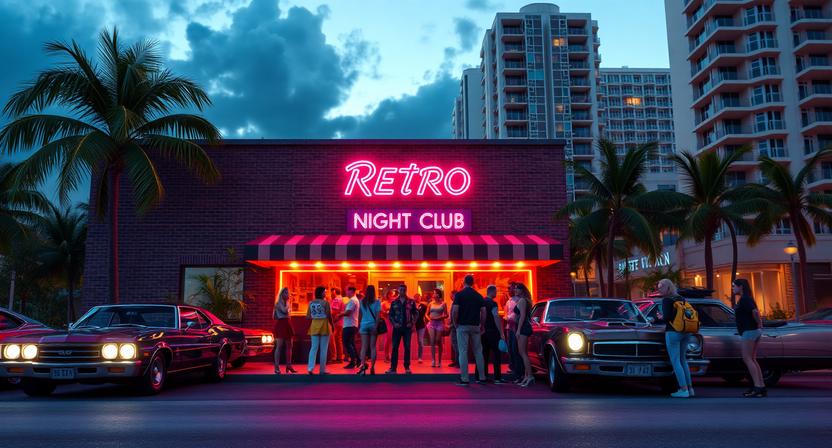
Introduction: When the Night Came Alive
The moment the sun dipped below the skyline in the 1980s, a different world flickered awake — one drenched in neon glow, pulsing bass lines, and the promise of escape. Nightlife wasn’t just something people went to; it was an entire culture people stepped into. Whether it was the electric hum of a downtown dance club, the thump of synth-pop echoing from a warehouse party, or the warm shimmer of a familiar neighborhood bar, the 80s transformed nighttime into a space of creativity, rebellion, and self-expression.
Youth culture surged with new energy, fueled by MTV’s visuals, new wave’s futuristic sound, and a generation eager to experiment with identity. Clubs became living canvases — where fashion statements were as bold as the music, and where every night offered a chance to reinvent yourself. Neon bracelets lit up the dark, leather jackets mingled with sequined tops, and dancers moved like silhouettes in a music video.
But beyond the flash and spectacle, 1980s nightlife represented something deeper: a collective dream of freedom. It was a decade where boundaries blurred, underground movements thrived, and technology began shaping how people listened, dressed, and connected. Step inside, and you weren’t just a spectator — you were part of the show.
The Neon Aesthetic: Lights, Color, and Visual Energy
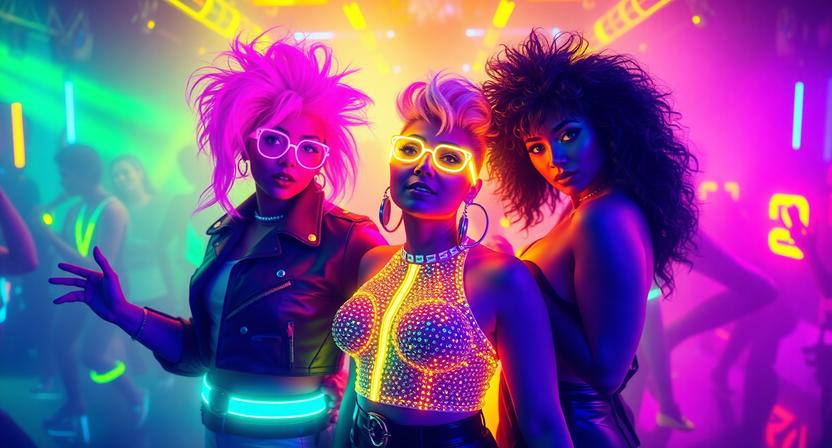
Nothing captured the spirit of 1980s nightlife quite like neon. The moment you stepped into a club, arcade, roller rink, or even certain bars, the entire world around you seemed to switch from reality to something cinematic. Colors didn’t just appear — they radiated. Pink wasn’t just pink; it was hot, electric, and almost alive. Blues glowed like laser beams. Greens and yellows flickered like radioactive light. The decade created an atmosphere where shadows were replaced by luminescent silhouettes, and every person seemed outlined by an otherworldly glow.
Neon, at its core, was the decade’s way of rejecting dullness. The world was changing fast — music was shifting toward electronic sounds, video games were entering homes and arcades, and MTV had turned visuals into a cultural currency. It made sense that nightlife followed suit, building environments that matched the energy of this new technological, expressive age. Clubs wanted to feel futuristic, like you were stepping into tomorrow rather than just another Friday night out.
One of the strongest forces behind this look was the widespread use of blacklights. These ultraviolet lamps transformed any space into a glowing dreamscape. Ordinary white T-shirts, shoelaces, drink cups, and posters erupted into brightness. Makeup reacted dramatically under UV light: neon eyeliner, shimmering lip gloss, bold blush, and graphic patterns painted directly onto faces and bodies made dancers look like they were glowing from within. Even the simplest outfit suddenly became a statement piece once it was lit by ultraviolet.
The dance floor itself became part of the experience. Many clubs used reflective squares, glowing stripes, or color-changing tiles that pulsed in time with the music. Fog machines and haze added another layer, scattering the colored lights in drifting beams that followed the rhythm of the night. When people moved, their outlines blurred into streaks of neon, giving the dance floor a dreamlike, slow-motion quality — as if everyone had stepped inside a music video.
Glow sticks became small symbols of the era. Originally developed for safety and military use, they were quickly adopted by party culture because they were cheap, bright, and interactive. People waved them during big chorus moments, linked them into necklaces, cracked fresh ones in excitement, or tossed them into the air just to watch them spin in neon arcs. They added energy, movement, and a sense of shared participation — the club wasn’t just lit around you; it was lit by you.
The neon aesthetic also found its way into décor. Murals painted with fluorescent pigments covered wall after wall, often featuring geometric shapes, zig-zag lines, grids, planetary landscapes, or abstract patterns inspired by new wave album covers and arcade games. Sometimes the designs were intentionally chaotic, capturing the decade’s love for bold experimentation. Other times they were sleek and futuristic, aiming to create spaces that felt like underground labs or sci-fi lounges. Either way, the message was the same: the 80s wanted nightlife to be immersive. It wanted you to feel transported.
What made the neon look so memorable wasn’t just its brightness — it was the attitude behind it. The 80s were about standing out, taking risks, and being seen. Fashion pushed boundaries, music pulsed with synthetic confidence, and youth culture embraced self-expression in ways that felt new and liberating. The neon aesthetic reflected all of this. It wasn’t subtle or quiet. It was bold, loud, expressive, and a reminder that the night was meant to be lived, not observed.
In many ways, neon became the visual soundtrack of the decade. It shaped the mood before the first beat even dropped, signaling that once you walked through those glowing doors, you were entering a world where everything felt heightened — the colors, the sounds, the energy, and the sense of possibility. The neon lights didn’t just illuminate the night; they defined it.
Dance Floors That Never Slept
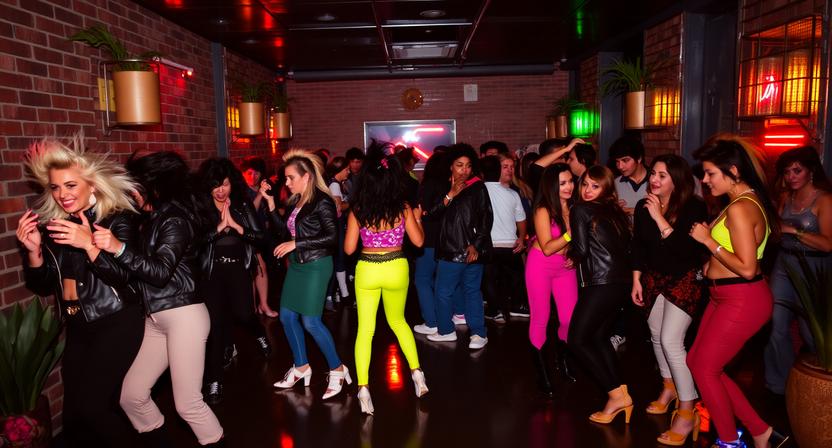
Every great night in the 1980s began on a dance floor. These were the true engines of nightlife — glowing, thumping spaces where music, fashion, and personality collided. It didn’t matter whether you were inside a massive downtown club, a converted warehouse, a roller disco, or a neighborhood spot with a few colored bulbs and a mirror ball; the dance floor was where the decade came fully alive.
The moment you stepped onto an 80s dance floor, you felt the shift. The ground often lit up beneath your feet — sometimes with reflective tiles, other times with lighted squares that flickered in bright patterns. Even smaller venues made sure the floor shimmered, using reflective coatings or scattered mirror fragments to bounce light in every direction. When the DJ dropped a track, beams of color spun across the room like laser-streaked fireworks, catching on sequined jackets, leather pants, shiny leggings, and the glint of metallic accessories.
Roller discos deserve special mention in any conversation about 1980s nightlife. They were more than skating rinks with music; they were choreographed playgrounds where dancers on wheels glided, spun, and weaved through crowds under flashing lights. Skaters formed lines, circles, and synchronized routines that looked effortless even though they required serious skill. The sound of wheels rolling in unison became part of the rhythm. Couples held hands and drifted across the rink, friends challenged each other with tricks, and the best skaters often became local celebrities. With neon signs glowing overhead and disco balls scattering light across the polished floor, roller discos created a uniquely joyful atmosphere — part sport, part dance, part fashion show.
In larger dance clubs, the atmosphere leaned more futuristic. Speakers were stacked like skyscrapers, pushing out bass lines that you could feel in your chest long before you consciously heard them. Fog machines released steady waves of mist that caught the shifting colors, making the lights look almost liquid as they drifted across the crowd. People didn’t simply dance — they moved as if the music pulled them. Choreography happened naturally, influenced by music videos, breakdancing, and the growing popularity of street dance styles. You would see groups forming spontaneous circles, giving space for someone to show off spins, backsteps, or robotic moves inspired by new wave artists and early hip-hop culture.
Even the way people interacted on the dance floor felt unique to the 80s. There was a sense of freedom in motion — dancers didn’t worry much about precision or looking polished. They danced big, expressive, and unrestrained. Shoulders swung wide, hair flipped dramatically, and arms carved shapes through the air. The energy was contagious, feeding from person to person until the entire floor felt like one collective heartbeat. People often danced with strangers as easily as with friends, the music creating a temporary community where everyone belonged.
Music videos had a huge influence on dance floor culture during this time. MTV didn’t just change what people listened to — it changed how they moved. Dancers came into clubs ready to imitate the steps they saw from artists like Prince, Madonna, Michael Jackson, or Duran Duran. The iconic moonwalk, sharp hip turns, exaggerated shoulder rolls, and fluid hand gestures became staples of the night. Clubs even hosted contests where participants recreated popular video choreography for prizes, bragging rights, or simply the thrill of applause. The line between performer and audience blurred; everyone became part of the show.
But not all dance floors were loud, crowded, or extravagant. Some of the most memorable ones were tucked away in underground venues — converted basements, abandoned storefronts, or lofts known only to those willing to search. These places had a raw, gritty charm. Instead of polished surfaces and elaborate lighting, they relied on simple bulbs, homemade decor, and a sense of rebellious creativity. Here, people danced with a kind of unfiltered passion, often to music that was too experimental for mainstream clubs. Synth-heavy tracks, early industrial sounds, and new wave deep cuts played late into the night, and the dance floor felt more like a gathering of outsiders building their own culture.
Regardless of the setting, one thing was constant: the dance floor was a magnet. It pulled people in and held them there. The decade was full of distractions — booming arcades, rising technology, changing fashion — but when the night hit its peak, everyone eventually gravitated toward the same place. The dance floor was where you shook off stress, expressed yourself, felt the music take over, and connected with the moment in a way that felt entirely unique to the 1980s.
And when the lights finally came up — usually far later than anyone planned — there was always that lingering feeling that something special had just happened. People stumbled out onto the sidewalk sweaty, exhilarated, and buzzing with adrenaline, already thinking about the next night. The 80s dance floor didn’t just keep people awake; it kept the entire decade pulsing.
New Wave Clubs: Where the Future Was Born

If the neon-soaked dance floors represented the mainstream energy of the 1980s, then New Wave clubs were the secret laboratories where the future of music, fashion, and identity was quietly being engineered. These clubs didn’t just play music — they shaped culture. Walking into one felt like stepping through a portal into a world where everything familiar had been stripped away and rebuilt with sharper edges, stranger shapes, and a bold sense of experimentation. It was nightlife for the dreamers, the outsiders, the artists, and anyone who felt that the decade’s loudest ideas were happening just slightly off the beaten path.
Unlike the massive commercial clubs with their polished dance floors and radio-friendly playlists, New Wave clubs were often tucked away in unexpected corners of the city: down narrow alleys, behind unmarked doors, in converted basements, or up creaky staircases that felt more like a fire escape than an entrance to a cultural revolution. Many of these places looked rough on the outside, but once you were inside, you found yourself in a different ecosystem entirely. The lighting was strange, moody, and often minimal. Shadows mixed with colored spotlights. The décor leaned toward the unconventional — abstract murals, DIY art installations, mismatched furniture, mannequins dressed in wild outfits, and occasionally nothing more than bare walls that made the space feel raw and authentic.
The sound that filled these rooms was unlike anything playing in mainstream venues. New Wave clubs were the birthplace of synth-driven beats, quirky melodies, robotic rhythms, and angular guitar riffs. DJs spun records from bands that seemed futuristic even when they were brand new: Depeche Mode, The Cure, New Order, Talking Heads, Siouxsie and the Banshees, Ultravox, Soft Cell, and dozens of smaller acts that never made it onto the radio but left deep fingerprints on the scene. The beats could be cold or moody, bright or disjointed, but they always carried the unmistakable sense that you were listening to something ahead of its time. For many club-goers, discovering new bands became a ritual — the thrill wasn’t just dancing, but hearing something that nobody outside those walls yet understood.
Fashion inside New Wave clubs was a world in its own right. This was where people went to try things they wouldn’t dare wear anywhere else. Black eyeliner, dramatic shadows, sharp asymmetrical haircuts, thrift-store finds transformed into art pieces, mesh tops, oversized coats, skinny ties, spiked accessories, lace, leather, vintage suits, PVC jackets, metallic fabrics, and bold androgynous aesthetics were everywhere. Dancers didn’t look like they stepped out of a catalog — they looked like they stepped out of the future. Many club-goers treated the night like a performance, spending hours building looks that blurred the lines between fashion, costume, and identity. And because these clubs embraced individuality, nobody felt out of place. You could express yourself in ways that felt impossible in daylight.
Dancing in these spaces had its own rhythm. Instead of the big, loose motions seen in mainstream clubs, the dancing here was often more stylized, angular, and expressive. Movements borrowed from music videos, European art films, punk shows, and avant-garde performance. People didn’t dance to blend in — they danced to stand out, or to lose themselves in the mood created by deep bass lines and shimmering synthesizers. Sometimes the floor felt almost meditative, with dancers swaying under dim lights; other times it exploded into sharp, dramatic bursts of motion when certain songs hit. The music dictated the energy, and everyone moved as though they had been waiting for these sounds all week.
For many young people in the 80s, New Wave clubs offered something more important than a place to dance — they offered a place to belong. These venues were sanctuaries for those who didn’t fit into conventional scenes. Artists, musicians, LGBTQ youth, fashion students, punks transitioning into new styles, and people simply hungry for something different found refuge in these darkened rooms. Friendships formed quickly, fueled by shared curiosity and a sense of mutual understanding. Conversations about bands, art, film, and style spilled into early morning hours, sometimes continuing over diner breakfasts long after the clubs had closed.
The influence of these clubs stretched far beyond their walls. Trends that started in small underground venues later found their way into mainstream culture: the heavy use of synthesizers, the distinctive haircuts, the moody fashion, the aesthetic of music videos, and even the attitude of introspective coolness that defined much of the decade’s visual identity. What happened in New Wave clubs didn’t stay underground for long — it eventually helped shape the entire look and sound of the 1980s.
When people remember these clubs today, they don’t just recall the music or the outfits. They remember the feeling of stepping into a place that existed slightly outside of time — a place where you could be anyone, reinvent yourself instantly, and feel that you were part of something quietly revolutionary. New Wave clubs weren’t just nightlife; they were cultural engines. They gave the decade its edge, its mystery, its darker glow beneath all the neon. They were where the night whispered its most exciting secrets.
The Soundtrack of the Night

If the lights and fashion defined how 1980s nightlife looked, the music defined how it felt. The soundtrack of the night wasn’t just a backdrop — it was the pulse that kept everything alive. Every club, roller rink, dive bar, underground venue, and late-night hangout had its own musical identity, but they all shared one thing: an electricity that ran through every beat. Music in the 80s wasn’t passive. It grabbed you, moved you, and sometimes even reshaped who you thought you were.
Inside mainstream clubs, the sound system was king. Towering speakers blasted hits that seemed engineered for sweaty, crowded dance floors: thundering bass, sharp snares, shimmering synths, and bold hooks that you couldn’t shake even if you tried. Songs by artists like Madonna, Michael Jackson, Prince, Whitney Houston, Cyndi Lauper, and Duran Duran became anthems that defined entire nights. Tracks like “Billie Jean,” “Like a Virgin,” “Girls Just Want to Have Fun,” and “Into the Groove” were guaranteed catalysts — the moment the opening notes hit, the entire room surged forward as if pulled by a magnet. Some clubs became known for playing the longest mixes, extended versions, and rare remixes of popular songs that weren’t available anywhere else. DJs curated entire emotional arcs, guiding people from early-evening warm-ups to late-night crescendos.
The rise of synthesizers played a massive role in shaping the era’s sound. Electronic instruments were no longer niche or experimental; they became the defining texture of 80s music. Synth lines shimmered like neon; drum machines snapped with precision; sequences looped with hypnotic repetition. This shift didn’t just change the music — it changed the atmosphere of the night. Songs felt futuristic, mechanical, and dreamlike, as though they belonged to a decade racing forward faster than people could sometimes understand. Even pop songs adopted synthetic textures, giving nightlife a distinctly modern, high-tech sound that matched the visual world clubs were creating.
New Wave and synth-pop provided the moodier, more introspective side of the soundtrack. Clubs that leaned toward alternative scenes filled their rooms with the sounds of The Cure, Depeche Mode, New Order, Eurythmics, Talking Heads, and Echo & the Bunnymen. These songs often carried an emotional complexity that felt different from the bright optimism of mainstream pop. They blended melancholy with energy — songs you could dance to even if the lyrics cut deep. Tracks like “Just Can’t Get Enough,” “Blue Monday,” “Love Will Tear Us Apart,” and “Sweet Dreams (Are Made of This)” became staples in underground venues and later crossed over into the larger club world. They spoke to the people who saw nightlife not just as escape, but as a place to explore identity and emotion.
Meanwhile, early hip-hop and breakdance culture began carving out its own space in nightlife. Though still emerging during the early part of the decade, hip-hop tracks started appearing in more clubs as DJs experimented with scratching, looping breaks, and mixing beats live. Songs like “Planet Rock,” “Rapper’s Delight,” and “The Message” introduced a raw, street-edge energy. Breakdancers formed circles on the floor, where athletic spins, footwork, freezes, and power moves turned the dance floor into a stage. This blend of music and movement created a magnetic spectacle that drew crowds in and changed how people interacted with the beat. DJs in these spaces earned reputations as innovators, shaping the beats instead of just playing them.
Disco, despite the backlash it faced at the end of the 70s, didn’t disappear — it transformed. Its DNA lingered in the decade’s dance music, evolving into high-energy tracks and early house music by the late 80s. Clubs in cities like Chicago, Detroit, and New York began layering drum machines and looping rhythms that set the foundation for the electronic dance music explosion decades later. What started as local underground movements would eventually influence global club culture, but in the 80s, it felt like a secret brewing in the corners of the night.
The soundtrack of the 1980s nightlife was also personal. People associated songs with moments, memories, friendships, heartbreaks, and victories. A couple’s slow dance under dim lights at the end of the night could imprint a song on someone for life. A group of friends screaming the chorus of a beloved hit at 1:30 a.m. created bonds that couldn’t be found anywhere else. Even leaving a club with ringing ears and a hoarse voice felt like proof that the music had done its job.
Above all, music in the 80s held a sense of possibility. It felt like the beginning of something — a new era where sound and technology collided in ways nobody had seen before. Whether you were in a crowded mainstream hotspot or a barely lit underground hideout, the soundtrack shaped your night and, in many ways, shaped the decade itself. It was the heartbeat, the fuel, the spark, and the foundation of everything that made 1980s nightlife unforgettable.
Fashion After Dark

Stepping into an ’80s nightclub meant stepping into a world where fashion wasn’t just clothing—it was a declaration of identity. After dark, people dressed with the intention of being seen, remembered, and photographed in someone’s memory long after the night was over. The streets leading to popular clubs looked like pre-show staging areas, with groups assembling in eye-catching outfits that expressed confidence, rebellion, and the decade’s electrifying creativity. Leather became one of the defining materials of the nightlife wardrobe, symbolizing toughness, sensuality, and the influence of rock and punk culture. Black leather jackets, pencil skirts, pants, and boots were everywhere, often adorned with studs, zippers, chains, and patches that added personality and attitude. Lace provided a dramatic contrast, offering a softer, romantic, and sometimes provocative touch. Many club-goers wore lace gloves, bodysuits, or tops layered over bright undergarments to create an intentional mix of sweet and edgy—a look heavily inspired by icons like Madonna.
Color also took center stage, especially neon, which was a crucial part of the 1980s visual language. Neon accessories glowed under blacklights, turning dance floors into luminous seas of pink, green, orange, and yellow. Bracelets stacked up the arm, jelly shoes, fluorescent earrings, glowing shoelaces, mesh tops, and even neon makeup all helped turn the body into a moving light source. People didn’t just wear color—they experimented with it, enhancing their outfits with UV-reactive paints or accessories designed specifically for nighttime visibility. The more you stood out, the better.
Hairstyles in the ’80s were practically an art form. Big hair dominated the scene, sculpted with hairspray, mousse, and gel until it defied both gravity and subtlety. Curls were teased higher, bangs were feathered wider, and volume was pushed to extremes that were almost architectural. For those who followed the new wave or goth aesthetic, hair often came in sharp, geometric shapes or deep, dramatic colors such as jet black or crimson. Highlights, streaks, and even unusual hues added a boldness that fit right in with the music and the mood.
A punk influence ran strong throughout nightlife fashion. Even people who didn’t identify as punks borrowed elements from the style because it communicated an attitude of rebellion and freedom. Ripped clothing, fishnet stockings, battle jackets, oversized safety pins, military boots, and DIY modifications gave outfits a raw, don’t-mess-with-me edge. These details contrasted sharply with the glittery, neon-heavy aesthetic of pop and dance culture, yet the two worlds often collided on the same dance floor, creating a fascinating cross-pollination of styles.
Makeup was another major part of after-hours identity. Bold, dramatic choices were the norm: electric blue eyeshadow, severe contouring, glossy or metallic lips, glitter accents, and thick eyeliner that created a sense of theatrical mystery. Men also embraced expressive makeup in many scenes, especially within new wave, goth, and underground club cultures. Self-expression had no limits, and the club lights amplified every shimmer, every highlight, and every daring stroke of color.
What made ’80s nightlife fashion so memorable was not just the clothing itself—it was the energy behind it. People dressed as though the night was a stage and the club was their spotlight. It was a time when creativity mattered more than convention, and when style after dark meant breaking rules, experimenting fearlessly, and expressing every bold instinct with confidence. The result was a nightlife environment where everyone looked extraordinary, and every outfit felt like a celebration of individuality in its most vivid form.
Technology, Gadgets & Party Culture
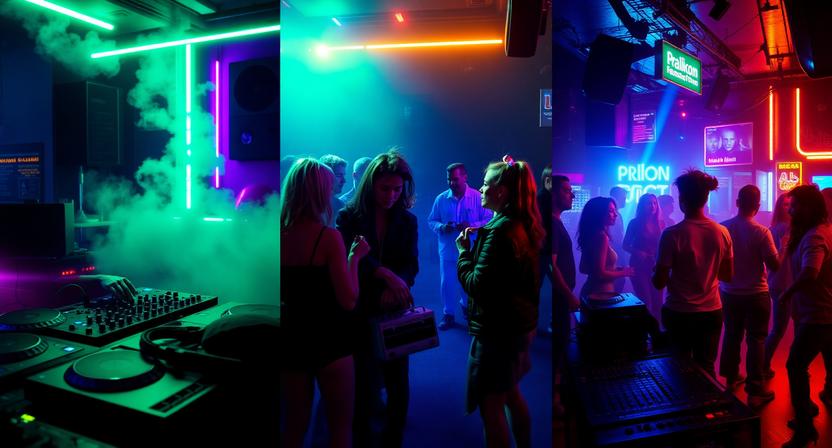
The 1980s nightlife scene was as much about innovation and gadgets as it was about fashion and music. Technology didn’t just influence the way people lived during the day—it redefined the way they played after dark. From sound systems that could shake an entire building to personal devices that allowed individuals to carry their favorite beats with them, the decade fused music, light, and electronics in ways that made the night feel alive, futuristic, and endlessly exciting.
At the center of every club was the DJ and their equipment. Turntables, mixers, and early drum machines became instruments in their own right, letting DJs manipulate sound live, extend tracks, and create remixes that no one else had ever heard. The skill of the DJ became just as important as the music itself. People came not only to dance, but to experience the mastery of sound, the seamless flow between records, and the way a skilled hand could control the mood of a room. For many, this was the first taste of live electronic performance as an art form.
Portable technology also made its mark on nightlife culture. Boom boxes—those iconic, shoulder-strapped, double-deck cassette players—allowed people to carry their music onto sidewalks, streets, and parking lots before the doors of a club even opened. They became social tools, announcing the arrival of friends, turning impromptu gatherings into dance parties, and giving teenagers and young adults a sense of independence and ownership over their soundtracks. Walkmans allowed for private listening, but in a paradoxical way, they also helped people discover new music to share once they reached the communal spaces of the night.
Lighting technology underwent a revolution in this era as well. Clubs experimented with neon, blacklights, strobe lights, and early programmable lighting rigs that responded to the beat of the music. Fog machines and haze units scattered beams of color in mesmerizing patterns, creating a sense of movement and fluidity that seemed to make the room itself dance. The combination of lights, fog, and reflective surfaces turned ordinary spaces into sensory experiences, where the environment felt as alive as the people in it. Some venues even incorporated mirrors, projection screens, and video art to expand the visual experience, turning every night into a multimedia show.
Even personal gadgets played a role in enhancing nightlife culture. Cameras, disposable or film-based, captured moments of outrageous style, expressive dance, and unforgettable energy, feeding into the decade’s obsession with image and memory. Early synthesizers and drum machines filtered into bedrooms and rehearsal spaces, giving amateur musicians the tools to experiment with sounds that would later appear in clubs. The barrier between creator and audience blurred, as technology allowed anyone to become a participant in shaping the music or the mood of the night.
Video games and arcade culture also intersected with nightlife. Many venues were attached to arcades, or had arcade corners where pinball machines and early video games like Pac-Man and Donkey Kong created another layer of engagement. They provided both visual stimulation and social gathering points, as people competed, laughed, and interacted outside the dance floor. Technology wasn’t simply a tool; it was woven into the fabric of the night, shaping both the environment and the behavior of the crowd.
Ultimately, technology in the 1980s nightlife was more than convenience—it was the backbone of the experience. It amplified music, illuminated space, encouraged creativity, and offered new ways to connect. From the booming speakers to the flickering neon, from cassette players in backpacks to DIY synthesizer experiments, the decade proved that gadgets and innovation were as central to the night as fashion, dance, and music. Without these technological elements, the 1980s club scene wouldn’t have felt as alive, as immersive, or as unforgettable as it did.
Youth Culture & Social Change

The nightlife of the 1980s was about more than just dancing, fashion, or music—it was a mirror reflecting the hopes, frustrations, and aspirations of a generation coming of age in a rapidly changing world. For young people, clubs and underground venues weren’t simply places to spend an evening; they were spaces where identity, rebellion, and creativity could be explored freely. The night became a laboratory for self-expression, a place to test boundaries, challenge norms, and experiment with who they wanted to be away from the expectations of home, school, or society.
Youth culture in the 80s thrived on this freedom. Clubs and alternative spaces offered communities where like-minded people could meet, share ideas, and create new social codes. The dance floor was a democratic space: strangers could connect instantly through shared rhythms, fashion choices, or the thrill of participating in the latest trends. It was here that friendships formed, alliances were tested, and sometimes lifelong partnerships or collaborations were born. These venues gave young people the rare opportunity to define themselves on their own terms, whether through music taste, style, or simply the way they moved and interacted with others.
Music and fashion were the most visible expressions of this culture, but the social implications ran deeper. Nightlife spaces became safe havens for marginalized groups, including LGBTQ youth, immigrants, and those exploring alternative subcultures. In many cities, the underground club scene provided a sense of belonging that couldn’t be found elsewhere. People were judged less on their family, social status, or school reputation, and more on their energy, creativity, and willingness to engage with the culture of the night. This allowed experimentation not only in fashion and music but in identity itself, fostering a confidence and independence that would echo into adulthood.
Clubs also functioned as incubators for ideas, art, and new cultural movements. DJs, performers, and visual artists collaborated in ways that blurred the line between entertainment and innovation. The influence of nightlife extended far beyond the dance floor, shaping mainstream music, fashion, and media. Trends that originated in small underground spaces often migrated into commercial culture, but the authenticity and raw energy of the original scene remained a defining characteristic of youth culture. Participating in nightlife became a way to align with creativity, rebellion, and innovation, signaling that a person was engaged with the pulse of the times.
Finally, nightlife served as a social equalizer. People from different neighborhoods, economic backgrounds, and educational levels converged in the same rooms, united by music, movement, and the shared thrill of the night. Rules of daytime life were suspended: hierarchies flattened, expectations loosened, and spontaneity ruled. In this sense, 1980s nightlife wasn’t merely entertainment—it was a social experiment, a rehearsal space for independence, and a proving ground for self-expression.
The impact of this cultural freedom was profound. It wasn’t just about fun or spectacle; it was about shaping personalities, identities, and communities. The 1980s nightlife scene allowed young people to claim space for themselves in a world that often overlooked their voices. It helped define the decade not just through its music, fashion, or technology, but through the ways it empowered an entire generation to explore, experiment, and, ultimately, change the world one night at a time.
Iconic Clubs of the 1980s
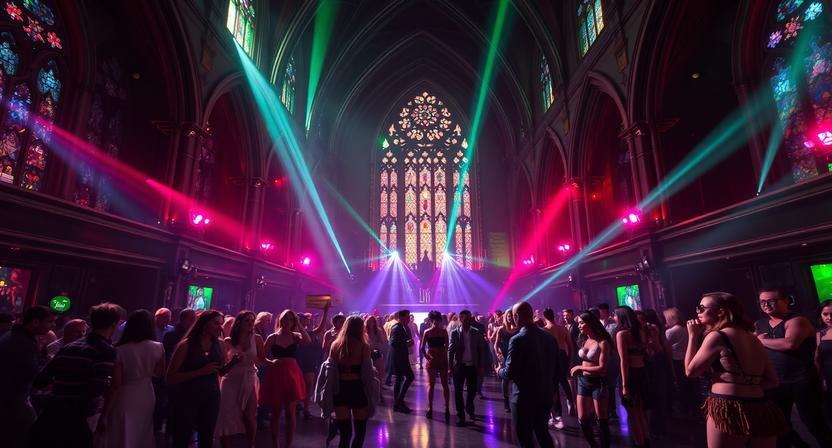
The 1980s nightlife scene wasn’t just a collection of dance floors and bars—it was defined by the legendary venues that became cultural landmarks. These clubs were more than spaces to drink, dance, or listen to music; they were incubators for fashion, music, and social identity, places where trends were born and communities coalesced. Some became meccas for mainstream stars and celebrities, while others thrived underground, known only to those willing to seek out the city’s hidden corners. Each of these spaces carried its own personality, its own rules, and its own kind of magic.
New York City, the epicenter of much of the decade’s nightlife energy, was home to venues that have since become almost mythical. Clubs like The Limelight and Studio 54, although Studio 54 had peaked in the late ’70s, carried their cultural influence into the 80s with legendary parties that attracted celebrities, artists, and trendsetters. The Limelight, set inside a repurposed church, combined Gothic architecture with cutting-edge lighting, creating an atmosphere both eerie and electrifying. It drew people from all walks of life, from aspiring artists and models to rock stars and underground DJs. Walking through its doors felt like entering a different world: stained glass refracted neon light, staircases twisted like mazes, and the main dance floor pulsed with music so loud it vibrated through the bones. The energy inside wasn’t just physical—it was spiritual, almost like being part of a secret society dedicated to style, music, and sensation.
Across the Atlantic, Manchester’s The Haçienda gained legendary status as the birthplace of acid house, rave culture, and the Manchester sound. Co-owned by Factory Records and New Order, the club became a magnet for students, artists, and rebels seeking something completely different from the polished mainstream. Its industrial interior was stark and raw, with bare concrete, metal railings, and minimal décor, yet the music and the people electrified every corner. The Haçienda didn’t rely on glitz or glamour—it relied on the energy of the crowd, the innovation of DJs experimenting with early electronic music, and the sense of being part of a revolutionary movement in music. People weren’t just dancing; they were participating in a cultural shift that would influence the global club scene for decades.
Los Angeles offered its own array of iconic venues, including the Whisky a Go Go and the Roxy Theatre, which had roots stretching back to the 60s and 70s but remained vital in the 1980s. These spaces bridged rock, new wave, and punk, hosting acts that would define the decade. The Roxy, with its intimate stage and low lighting, allowed for intense musical experiences where fans could feel every note and every lyric, creating a connection between performers and audiences that larger arenas could never replicate. Meanwhile, smaller clubs scattered throughout Hollywood fostered experimental electronic acts and underground DJs, catering to those seeking music that wasn’t on the radio.
Miami’s nightlife scene offered another dimension, with venues that blended the tropical climate with electronic dance music, early house beats, and Latin influences. Clubs along Ocean Drive and in the downtown area became hubs for youth eager to experience the night in style. Neon lights reflected off the ocean breeze, pastel clothing and sun-kissed skin contrasted with blacklight-enhanced interiors, and DJs integrated synthesizers with Latin rhythms, creating a vibrant fusion that felt uniquely Miami. The city became a playground for those wanting to combine fashion, music, and social freedom under neon skies.
Even smaller or more underground clubs left an indelible mark. Warehouse parties in cities like Detroit and Chicago fueled the early development of house and techno music. Abandoned factories and lofts were converted into makeshift dance halls where DJs experimented with drum machines, sequencers, and synthesizers. These venues lacked polish or glamour, but they were incubators for sounds that would later sweep the globe. People often discovered music here before it reached mainstream charts, creating a sense of intimacy and insider knowledge that bonded communities together. Dancing in these spaces felt revolutionary, a secret celebration of creativity, independence, and sheer joy.
What made these iconic clubs unforgettable wasn’t just the music, lights, or fashion—it was the energy, the sense that something extraordinary was happening every night. Patrons didn’t simply visit; they participated. The rooms themselves seemed alive, vibrating with expectation and possibility. Doors opened, strangers became friends, dancers became performers, and the night became a shared adventure that existed beyond the mundane routines of the day. These clubs were more than spaces—they were ecosystems, cultural laboratories, and stages for the decade’s defining ideas in fashion, music, and identity.
The legacy of these iconic venues stretches far beyond the 1980s. They influenced the design of modern nightclubs, the rise of electronic dance music, and the way nightlife is marketed as an experience rather than just a place. For those who lived through the era, they remain sacred spaces in memory—symbols of freedom, experimentation, and the limitless possibilities of the night. In every city, the names of these clubs evoke a sense of nostalgia, awe, and reverence, reminding us that the nightlife of the 1980s wasn’t just entertainment—it was a cultural phenomenon that shaped a generation and left a lasting imprint on the world.
Safety, Challenges & the Darker Side of the Night
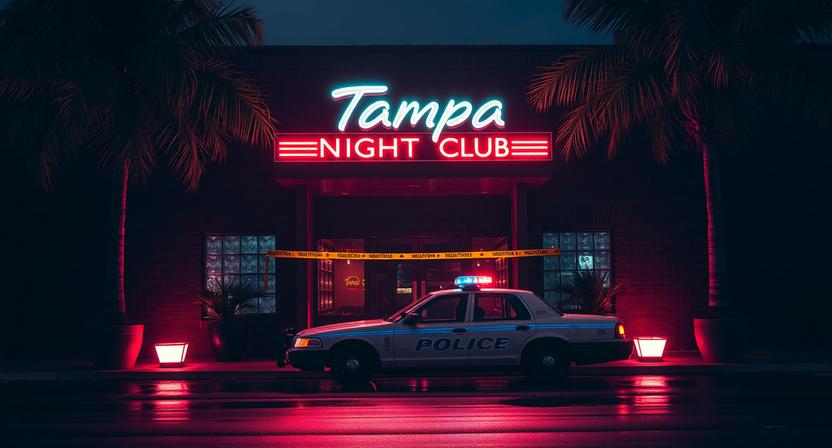
While the nightlife of the 1980s was electric, glamorous, and transformative, it was not without its shadows. Behind the neon lights, booming speakers, and exuberant dance floors lay a set of challenges that shaped the experience for those who lived it. For every unforgettable party, every dazzling outfit, and every iconic track, there were realities that the night demanded people navigate with care, awareness, and, sometimes, courage.
Crowds were often intense. Popular clubs could draw hundreds, even thousands, of people on a single night, creating spaces where movement was tight, bodies pressed together, and personal space nearly nonexistent. While this closeness fueled energy and connection, it also led to situations where accidents, disputes, and tension were commonplace. Nightlife was communal, but it required a careful balance: knowing how to stand out while also navigating the crowded floor safely, how to dance freely without injuring yourself or others, and how to assert your boundaries in a space built for high energy and high stakes.
Substance use also shaped the nightlife landscape. Alcohol was ubiquitous, flowing through bars and mixed drinks across club counters, creating an atmosphere that loosened inhibitions and intensified social interactions. In some venues, illicit substances circulated as well, sometimes enhancing the music, sometimes impairing judgment. The combination of tight spaces, loud music, and impaired coordination could be dangerous, and while many found it exhilarating, others faced risks of accidents, confrontations, or long-term health effects. Clubs occasionally had bouncers or staff to maintain order, but enforcement varied, and patrons often learned quickly that self-awareness and vigilance were part of surviving and thriving in these spaces.
Violence, though not rampant everywhere, was another reality. Certain urban venues attracted people from diverse backgrounds, sometimes including those looking for trouble. Fights could break out over perceived slights, territorial disputes, or misunderstandings in the heat of the moment. While most nights ended without incident, the potential was always there, making the ability to read a room, choose allies, and move strategically essential skills for regular club-goers.
Health and hygiene presented additional challenges. Smoking was still widespread in indoor spaces, filling rooms with thick clouds of smoke that added to the atmosphere but also posed risks to those sensitive to it. Strobe lights and intense lasers, while visually spectacular, could trigger seizures in those with photosensitive epilepsy or induce dizziness and nausea in some patrons. Fog machines, heat from bodies packed together, and prolonged dancing could lead to dehydration or exhaustion if caution wasn’t exercised. Nightlife demanded stamina and attention, even for those simply looking to enjoy the music and fashion.
Despite these dangers, the challenges also contributed to the nightlife’s sense of intensity and realism. The night wasn’t merely a fantasy; it was a space where excitement, risk, and reward coexisted. People learned quickly how to assert themselves socially, manage their environment, and make the most of fleeting experiences. The very presence of risk heightened the thrill, making victories feel sweeter, friendships feel closer, and memorable nights feel almost sacred.
Even with its darker elements, the nightlife of the 1980s remained an incubator of culture, connection, and self-expression. Awareness of risks didn’t diminish the energy—it enhanced it, forcing participants to engage fully, move strategically, and value every moment of the night. In retrospect, the challenges, dangers, and uncertainties of the era are inseparable from its allure. They remind us that the decade’s iconic nights were lived fully, boldly, and sometimes recklessly, leaving lasting impressions that still resonate today. For those who experienced it firsthand, the darkness was always just another element of the thrill, a contrast that made the neon glow, the music, and the fashion shine even brighter.
Global Nightlife: How the 80s Partied Worldwide
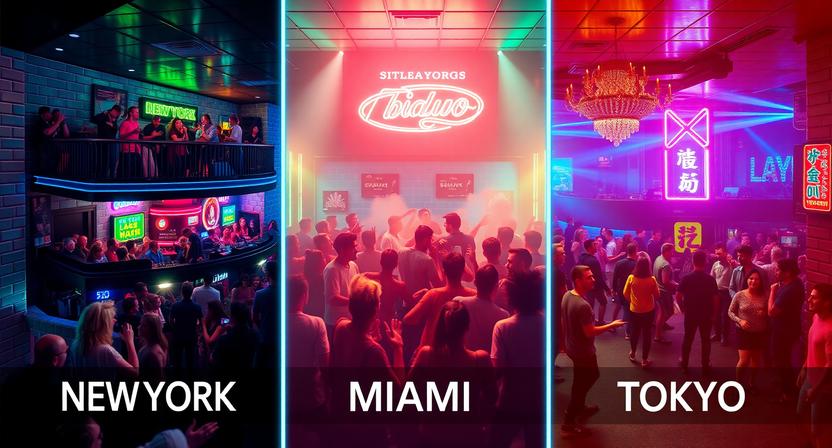
The 1980s nightlife scene wasn’t just a local or national phenomenon—it was a global movement, a cultural explosion that reverberated from the neon streets of New York and Los Angeles to the underground clubs of London, Berlin, Tokyo, and São Paulo. While each city had its own flavor, style, and musical identity, all shared a common thread: the desire to transform the night into an experience that blended music, fashion, energy, and creativity in ways never seen before.
In Europe, cities like London, Manchester, and Berlin became incubators for new sounds and movements. London’s clubs combined punk heritage with the emerging new wave and synth-pop sounds, creating venues that were both edgy and stylish. Manchester’s Haçienda, with its stark industrial interior and cutting-edge DJs, became legendary as the birthplace of acid house and early rave culture. Berlin, still divided by the Wall, nurtured underground spaces where electronic experimentation thrived, blending art, performance, and music into immersive experiences. Across Europe, youth sought out clubs as spaces where identity, community, and rebellion could flourish in tandem, and cities competed quietly to host the most innovative, the most daring, and the most unforgettable nights.
Asia offered a different, equally vibrant, perspective. In Tokyo, nightlife mixed tradition with futuristic aesthetics, combining sleek design, neon lighting, and advanced sound systems with an obsession for detail in fashion and style. Nightclubs in districts like Shinjuku and Shibuya attracted young professionals, artists, and international visitors, blending the local city culture with Western influences. Hong Kong and Singapore saw a growing wave of discotheques and dance clubs where imported music, flashy lights, and Western fashion trends converged with local tastes, creating hybrid nightlife scenes that were uniquely cosmopolitan. The energy of these cities was fast-paced and experimental, reflecting the urbanization, technology boom, and global connectivity that marked the decade.
In North America, nightlife remained iconic and influential. New York, Los Angeles, Miami, and Chicago each offered distinct experiences, from the celebrity-studded glamour of Manhattan clubs to the beachside neon-lit parties of Miami and the underground warehouse scenes of Chicago that would birth house music. In Canada, Toronto and Montreal developed vibrant club cultures where new wave, punk, and emerging electronic sounds collided with local creativity, giving youth an outlet for both expression and experimentation. The U.S. and Canada were also hubs for innovation in lighting, sound, and DJ techniques, setting standards that would influence global nightlife for decades.
Latin America brought its own vibrancy to the 1980s party scene. Cities like São Paulo, Rio de Janeiro, and Mexico City infused nightlife with rhythm, energy, and a love for dance that mirrored local culture. Clubs often blended live music with DJs, combining traditional Latin beats with emerging electronic tracks. Costume, fashion, and self-expression were equally important, as young people adapted global trends to their own cultural context. Carnival-inspired colors, bold patterns, and flamboyant accessories made nightlife a visual spectacle as much as an auditory one.
Across all continents, the global 1980s nightlife movement shared common values: freedom, experimentation, and community. Youth from Tokyo to Toronto, London to São Paulo, sought spaces where music, light, and style created immersive experiences that transcended the ordinary. Clubs were more than entertainment—they were laboratories of identity, cultural hubs, and stages for performance. Despite differences in music preference, fashion, or city infrastructure, the essential spirit was the same: the night was alive, and it belonged to those bold enough to shape it.
The globalization of nightlife in the 1980s also created cross-cultural influence that accelerated trends. Music, fashion, and visual styles traveled quickly through magazines, VHS recordings, imported records, and international travel. DJs shared tracks from distant cities, fashion designers drew inspiration from nightlife scenes abroad, and ideas of identity and self-expression spread faster than ever. By the end of the decade, it was clear that the energy of the 80s nightlife was no longer confined to one city or one continent—it had become a worldwide phenomenon, a shared language of music, movement, and culture that connected youth across the globe.
The Legacy of 1980s Nightlife
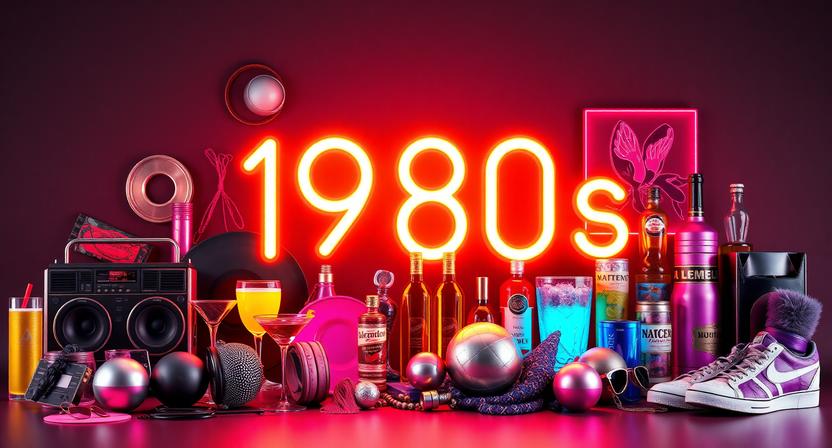
The 1980s nightlife scene may have existed in a particular era, but its influence has rippled across decades, leaving traces that can still be felt in fashion, music, and club culture today. The energy, experimentation, and creativity of the decade created a blueprint for what nightlife could be—a space not just for entertainment, but for self-expression, identity, and cultural innovation. Its legacy is vast, multifaceted, and unmistakable, echoing in ways both obvious and subtle.
In music, the 1980s set the stage for genres that continue to dominate clubs and festivals around the world. Synth-pop, new wave, early hip-hop, house, and electronic dance music all emerged or evolved during this time, shaping the modern sound of dance floors everywhere. The techniques pioneered by DJs—live mixing, remixing, and beat manipulation—became standard practice, transforming the role of the DJ from mere record player to performance artist. Even today, electronic music festivals, underground raves, and mainstream nightclubs owe their foundations to the bold experimentation of the 80s. The decade demonstrated that the right combination of technology, sound, and crowd energy could create experiences far more immersive than just playing songs, and that philosophy continues to guide nightlife worldwide.
Fashion, too, carries the indelible mark of the 80s club scene. Neon, metallics, leather, lace, oversized silhouettes, and statement accessories are recycled and reinterpreted in contemporary fashion collections regularly. Designers draw inspiration from the era’s fearless self-expression, incorporating bold colors, dramatic shapes, and edgy textures into modern looks. Trends like glitter, sequins, platform shoes, and big hair resurface constantly in both high fashion and streetwear, proving that the visual language developed in nightclubs decades ago remains a cultural touchstone. Nightlife itself became a runway, and that idea—that clothing is a performance—is still central to club culture today.
Beyond music and fashion, the 1980s shaped social norms and the very concept of what nightlife could represent. Clubs became experimental spaces where people could explore identity, sexuality, and creativity freely. This openness and inclusivity—though imperfect—laid the groundwork for modern nightlife communities that celebrate diversity and self-expression. From LGBTQ+ safe spaces to avant-garde pop-up venues and global music festivals, the spirit of exploration and acceptance first cultivated in 80s nightlife continues to define how we approach evening entertainment today.
Technology’s impact from the decade also persists. Early lighting systems, synthesizers, drum machines, and DJ equipment set standards for modern club infrastructure. Fog machines, lasers, and immersive audiovisual displays that were novel at the time are now essential elements of almost every major club or festival experience. Even the idea that a night out could be a fully sensory, immersive environment originated in the experimental venues of the 1980s, merging sound, light, and visual spectacle into one cohesive experience.
Ultimately, the legacy of 1980s nightlife is not just historical—it’s cultural, aesthetic, and emotional. It lives on every time a DJ drops a synth-heavy beat, every time someone experiments with a bold fashion statement, and every time a club transforms into a temporary world of freedom and expression. The decade proved that nightlife could be a laboratory for music, fashion, identity, and social experimentation, and its influence still echoes in the pulse of today’s clubs, the rhythm of festivals, and the style of those who continue to embrace the night with fearless creativity. The 1980s may have ended, but the energy, daring, and innovation of its nightlife never truly faded—they became timeless, an enduring blueprint for the way we celebrate, dance, and express ourselves after dark.
Conclusion: The Night That Never Really Ended
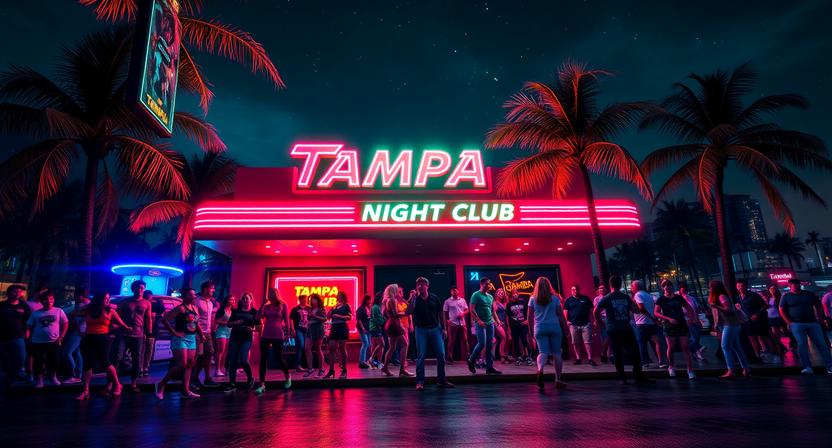
Looking back, the nightlife of the 1980s feels less like a closed chapter and more like a living, breathing pulse that still resonates today. It was a decade defined by neon lights, pounding beats, daring fashion, and boundless creativity—a time when music, style, and social energy converged to create nights that felt infinite. The clubs, underground venues, and streets of that era were more than places to spend an evening; they were stages where young people shaped identity, challenged norms, and discovered the thrill of freedom. Every dance, every outfit, every remix, and every glow of neon reflected a generation testing the limits of expression, and the impact of that energy continues to ripple through our world.
The magic of 1980s nightlife lies not just in the music or the style, but in the audacity of its participants. People didn’t just attend—they performed, experimented, and transformed themselves. The night became a laboratory for self-discovery, where individuality was celebrated, rebellion was embraced, and creativity was currency. Clubs became incubators for trends that would define the decade and influence decades to come. Fashion, music, and social interaction all intertwined to create experiences that were immersive, unforgettable, and often life-changing. For those lucky enough to be there, the night was a shared adventure, electric and unpredictable, and the memories linger as vividly now as they did then.
Even decades later, the echoes of those nights remain visible. Modern club culture, festival scenes, electronic music, and avant-garde fashion all draw from the blueprint forged in the 1980s. DJs continue to innovate with mixing and live performance, designers still reference neon, metallics, and bold silhouettes, and the idea of nightlife as a space for experimentation and community continues to thrive. The decade showed the world that nightlife could be more than a routine—it could be a transformative experience, a celebration of culture, identity, and creativity.
Ultimately, the night of the 1980s never really ended. It persists in the beats that fill today’s dance floors, in the shimmering fabrics and bold hairstyles inspired by that era, and in the fearless energy of anyone willing to step out, dress boldly, and dance like no one is watching. It reminds us that nightlife is more than entertainment—it is culture, history, and personal expression woven together in rhythm, color, and light. The 1980s taught a generation to live after dark, to embrace the unexpected, and to celebrate the electric moment, and in doing so, created a legacy that continues to illuminate the night, over and over, generation after generation.
 Totally Retro: 80s Edition
Leave a comment