Step 1: Slow Down the Pace of Life
Learning to Live Without Constant Notifications…
The modern world rarely gives us permission to slow down. From the moment we wake up, we are pulled into a stream of alerts, updates, messages, and demands that follow us throughout the day. Our attention is constantly interrupted, and over time, this interruption begins to feel normal—even necessary. Yet this constant stimulation comes at a cost. It fragments our thoughts, shortens our patience, and leaves us feeling rushed even when nothing urgent is happening.
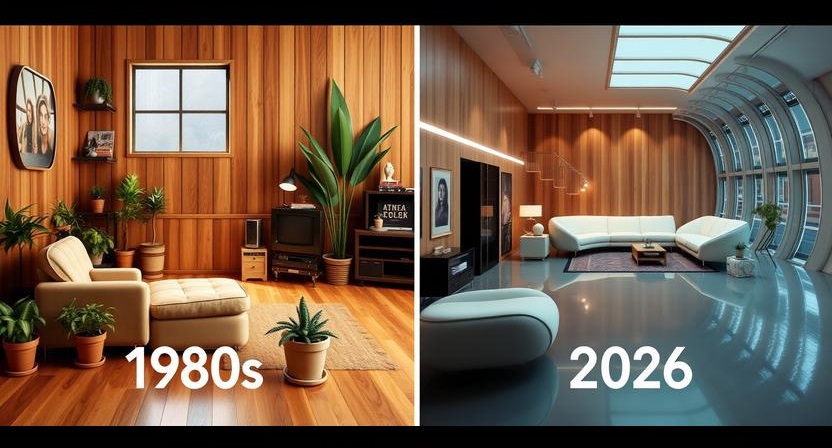
In the 1980s, life moved at a different rhythm. Information arrived slowly. Communication had limits. People were not reachable at all times, and no one expected them to be. This slower pace did not make life less productive or less connected. In many ways, it made life more grounded. People had space to think, to focus, and to be fully present in what they were doing.
Slowing down the pace of life today does not mean rejecting modern tools altogether. It means choosing when and how they enter your day instead of allowing them to dominate it. The first step toward a simpler, happier life is learning how to live without constant notifications shaping your thoughts and emotions.
Constant notifications create a false sense of urgency. Every sound or vibration suggests that something needs immediate attention, even when it does not. Over time, this trains the mind to remain in a low-level state of alertness. It becomes harder to relax, harder to concentrate, and harder to enjoy quiet moments without feeling the pull to check what is happening elsewhere. In contrast, the 1980s allowed people to focus on one thing at a time. When the phone rang, it rang in the house. When it did not, life continued uninterrupted.
This difference may seem small, but its impact is profound. When interruptions are removed, attention deepens. Tasks take less mental effort. Conversations become more meaningful. Time feels less rushed. Slowing down begins not with dramatic changes, but with a simple shift in how we treat our attention.
One of the most powerful lessons from the 1980s is that not everything requires an immediate response. Messages could wait. Calls could be returned later. News arrived at specific times, not continuously. This structure created natural boundaries between information and daily life. Today, we can recreate this by choosing when we engage rather than reacting the moment something appears on a screen.
Learning to slow down also means becoming comfortable with being unavailable. In earlier decades, being unreachable was ordinary. People went out, took walks, visited friends, or spent evenings at home without interruptions. There was no expectation to explain delays or apologize for missed calls. Reintroducing this idea into modern life can feel uncomfortable at first, but it is essential for restoring balance. When you allow yourself to respond on your own schedule, you regain a sense of control over your time.
Mornings are an especially important place to slow things down. In the past, mornings unfolded gradually. People woke up, got ready, ate breakfast, and left for the day without being emotionally overwhelmed by news or messages. Starting the day without immediately engaging with notifications allows the mind to wake naturally. It sets a calmer tone that often carries through the rest of the day.
Evenings, too, benefit from fewer interruptions. Without constant alerts, time spent reading, watching television, talking, or simply resting becomes more restorative. The mind has a chance to unwind instead of remaining on standby for the next notification. Sleep improves, and so does overall well-being.
Another important aspect of slowing down is rediscovering boredom. In the past, boredom was not something to eliminate instantly. It was a normal part of life. People stared out windows, daydreamed, or found small ways to occupy their time. These quiet moments often led to creativity and reflection. Today, boredom is quickly erased by screens, but in doing so, we lose an opportunity to reconnect with ourselves. Allowing moments of boredom to exist again can feel strange, but it opens the door to deeper thinking and inner calm.
As life slows, something unexpected happens. Ordinary moments begin to feel richer. A meal feels more satisfying. A conversation feels more sincere. A quiet afternoon feels like a gift rather than wasted time. The constant pressure to be productive, informed, or responsive begins to fade, replaced by a sense of presence.
The 1980s remind us that a good life does not require constant stimulation. It requires balance. By reducing the role of notifications and interruptions, you create space for routines, relationships, and simple pleasures to return. This is why slowing down is the first step. Without it, everything else feels rushed and incomplete.
Slowing down is not about doing less. It is about experiencing more. When the noise fades, life becomes clearer. Time stretches instead of racing past. And in that slower pace, happiness has room to grow.
Step 2: Reconnect With Simple Entertainment

Music, TV, and Fun Without Endless Choices…
In the 1980s, entertainment was simple by design, not by limitation. There were no streaming libraries of thousands of movies, no endless playlists curated by algorithms, and no social media feeds competing for attention. Fun was structured, deliberate, and often communal. People had a few options, but they chose them fully, immersing themselves in the experience rather than skimming endlessly in search of something better. Reconnecting with this approach today can feel revolutionary, especially when modern entertainment overwhelms with infinite choices and constant stimulation.
Music in the 1980s was not a background noise to life—it was an event. People played albums on vinyl, listened to the radio, or tuned into a specific show at a set time. Music required intention. Choosing a record meant committing to the entire experience, listening carefully to the songs from start to finish. There was anticipation: waiting for a favorite song on the radio, flipping the cassette or record over, and sharing the experience with friends or family. Music was slower, but it carried depth and memory in a way that today’s endless shuffle often does not. Reintroducing this focus can be as simple as picking a few favorite albums and listening to them fully, without skipping or multi-tasking. You may find that you experience the songs more vividly, noticing nuances that were lost in the rush of background listening.
Television followed a similar pattern. Viewers in the 1980s knew that shows aired at a specific time, and missing an episode meant waiting for a rerun or catching up the next week. This limitation created anticipation, discussion, and ritual. Families would gather around the TV to watch a program together, talking about what happened afterward and sharing reactions. The communal nature of watching television made the experience meaningful. In contrast, today’s on-demand culture encourages binge-watching and constant switching, which often dilutes enjoyment and reduces reflection. By choosing a few shows and watching them intentionally, or even returning to reruns of classic 80s programs, you can capture the feeling of anticipation and engagement that made entertainment a shared, enjoyable event rather than a passive habit.
Games, too, were more tactile and social. Board games, card games, and outdoor sports created direct interaction and required participation. The joy came from connection, strategy, and presence—not from endless options or high scores. Even solo hobbies, like puzzles or model-building, were exercises in focus and satisfaction, rather than just passing time. Bringing these forms of entertainment into your life now can refresh your sense of fun. Instead of scrolling mindlessly through multiple apps or channels, you can dedicate time to experiences that are finite, complete, and rewarding.
The key principle of 1980s entertainment is intentionality. Simple entertainment demanded your attention, but it also gave it back in ways that modern instant-access options rarely do. Reconnecting with music, TV, and games in this manner is not about rejecting modern technology. It is about setting boundaries and cultivating presence. Limiting choices, committing fully to the experience, and making space for reflection allows entertainment to enrich life rather than fragment it.
Another aspect of simple entertainment is its role in fostering connection. In the past, shared experiences around music, television, and games strengthened bonds. Listening to a favorite song together, discussing plot twists, or competing in a friendly game created memories and a sense of belonging. Today, entertainment can often be isolating, even when it is abundant. By consciously choosing activities that encourage connection and presence, you recreate the social richness that made 1980s leisure meaningful.
Slowing down entertainment also cultivates patience. Waiting for a song to play, a show to air, or a game to conclude required time and attention. It trained the mind to focus, appreciate, and savor the present moment. Reintroducing this slower pace in today’s world can help counteract the constant drive for instant gratification, restoring a sense of satisfaction that comes from truly engaging with an experience from beginning to end.
In essence, reconnecting with simple entertainment is a practice of presence. It is about choosing quality over quantity, engagement over distraction, and connection over passive consumption. By doing so, you create space for joy that is tangible, memorable, and deeply satisfying. Music becomes more than noise. Television becomes more than background. Games become more than a pastime—they become a shared, intentional experience.
As you take this step, consider your own entertainment habits and how they differ from those of the 1980s. Identify a few simple pleasures—an album, a show, a board game, or a creative hobby—and commit to experiencing them fully. Notice how your attention deepens, how your enjoyment increases, and how your sense of time expands. By reconnecting with simple entertainment, you rediscover one of the most overlooked ways the 1980s taught people to slow down, focus, and enjoy life.
Step 3: Bring Back Meaningful Routines

Morning Habits, Family Dinners, and Daily Structure…
In the 1980s, life followed a rhythm that was as predictable as it was comforting. Days were structured around routines that gave people a sense of stability, purpose, and connection. Mornings began with consistent habits, meals were shared without distraction, and evenings often ended with reflection or relaxation. There were no incessant notifications, no expectation to multitask endlessly, and no pressure to be constantly “on.” The beauty of this approach was that it created an underlying order to daily life—a rhythm that supported well-being, relationships, and personal growth.
Bringing back meaningful routines today is less about adhering rigidly to a strict schedule and more about creating anchors that provide stability in a world of constant change. Routines act as a scaffold for your day, giving structure while still allowing flexibility. They reduce decision fatigue, lower stress, and increase the likelihood that you’ll engage in behaviors that nurture your health, happiness, and relationships.
Mornings are particularly important. In the 1980s, people often began their day with habits that were deliberate and unhurried. A simple breakfast, reading the newspaper, preparing for work or school, or spending a few quiet moments alone set the tone for the day. Today, mornings are frequently hijacked by screens, notifications, and the pressure to be immediately productive. Reintroducing a calm, intentional morning routine can transform your entire day. Even small habits—making your bed, enjoying a cup of coffee without distraction, journaling a few thoughts, or taking a brief walk—can create a sense of purpose and clarity. The key is to perform these actions consistently, not perfectly, allowing them to become anchors around which the rest of the day flows.
Equally important are meals, particularly family dinners. In the 1980s, dinner was a sacred time for connection. Families gathered around the table, shared stories, laughed, and discussed their days. Phones and televisions were either absent or secondary to the conversation. This shared ritual strengthened relationships and fostered a sense of belonging and support. Reintroducing such routines in today’s context may require intentional effort—setting aside phones, agreeing on a shared mealtime, and creating space for genuine conversation. The rewards, however, are profound: stronger bonds, richer communication, and a natural pause that allows everyone to recalibrate.
Daily structure also extends to work and personal tasks. In the past, schedules were guided by natural boundaries: the workday began and ended at specific times, chores were done at predictable intervals, and leisure followed its own rhythm. Today, many people blur these boundaries, working late into the evening, answering emails at all hours, and squeezing tasks into every moment. Reintroducing structure does not mean eliminating flexibility; it means setting intentional time blocks for work, rest, and recreation. By defining when you focus and when you pause, you reduce stress and improve productivity, creativity, and satisfaction.
Routines also create space for self-care. In the 1980s, people often engaged in habits that were small but meaningful: reading a book before bed, preparing a favorite meal, or taking a short walk after work. These seemingly ordinary activities contributed to mental clarity and emotional balance. Today, self-care is often treated as an optional luxury, something squeezed into a packed schedule or experienced superficially. By embedding small, restorative habits into your daily routine, you not only care for your body and mind but also cultivate consistency and resilience.
Another critical aspect of meaningful routines is predictability. When daily life has structure, the mind can anticipate and prepare for activities rather than constantly reacting to the unexpected. Predictable routines reduce anxiety, increase confidence, and foster a sense of control over one’s environment. This does not mean life becomes rigid or monotonous; instead, structure provides a reliable framework within which spontaneity can flourish.
Bringing back routines also nurtures mindfulness. When habits are repeated intentionally, attention naturally focuses on the moment. Preparing breakfast becomes more than a task; it becomes an opportunity to engage fully with the senses, savoring aroma, texture, and taste. Sitting down for dinner becomes more than a meal; it becomes a time for presence and connection. These routines anchor you in the here and now, counteracting the scattered attention fostered by modern life.
Implementing meaningful routines begins with small, deliberate steps. Identify one or two anchors that resonate most with your life and values, and focus on consistency rather than perfection. A simple morning ritual, a weekly family meal, or a set bedtime routine can create a ripple effect that transforms your day. Gradually, other habits naturally align around these anchors, forming a cohesive, intentional pattern of living.
Ultimately, routines are the heartbeat of daily life. They provide rhythm, connection, and a sense of purpose. The 1980s remind us that happiness is often found not in extraordinary moments, but in the steady cadence of ordinary life. By reintroducing meaningful routines—through morning habits, shared meals, and structured days—you reclaim time, attention, and emotional energy, laying the groundwork for a calmer, more satisfying life.
Step 4: Rediscover Offline Hobbies

Reading, Writing, Building, and Creating by Hand…
In today’s hyper-connected world, it is all too easy to fill every spare moment with a screen. Social media updates, streaming services, online games, and endless notifications can leave little room for quiet, solitary, or tactile activities. The 1980s, by contrast, were rich in hands-on hobbies. People read books, wrote letters, built models, painted, played musical instruments, and engaged in countless other creative activities that did not require digital technology. These hobbies were more than ways to pass the time—they were ways to focus the mind, cultivate skill, and experience joy through creation rather than consumption. Rediscovering offline hobbies is a step toward reclaiming attention, nurturing creativity, and grounding yourself in the tangible world.
Reading was a cornerstone of leisure in the 1980s. People devoured books, magazines, and newspapers for information, entertainment, and inspiration. Unlike the fragmented reading habits fostered by endless scrolling today, reading offline encouraged deep focus and reflection. One could sit with a single book for hours, immersing oneself in its narrative, absorbing language, and allowing imagination to flourish. Rediscovering reading as a hobby today can be transformative. Choose books that spark curiosity or bring comfort. Dedicate uninterrupted time to read, even if only for twenty or thirty minutes a day. Let the act of reading be an escape from the constant barrage of digital input, a deliberate choice to nourish the mind.
Writing, too, was more intentional in the 1980s. Diaries, letters, and handwritten notes were common. People used writing to reflect, communicate, and preserve memories. Writing offline encourages contemplation in a way typing on a screen rarely does. The tactile sensation of pen on paper slows thought, allowing ideas to emerge naturally rather than being rushed by auto-correct or predictive text. Journaling, letter writing, or even creative writing exercises can cultivate mindfulness and emotional clarity. There is a quiet satisfaction in creating something tangible from one’s thoughts—a satisfaction often lost in today’s ephemeral digital interactions.
Building and crafting by hand was another essential pastime. Model trains, woodworking, knitting, painting, and assembling puzzles required patience, focus, and skill. These activities produced visible, lasting results, giving a sense of accomplishment and pride. Today, the act of building with hands can serve as a counterbalance to the digital world. Whether it is assembling a small DIY project, painting a canvas, or crafting a handmade gift, tactile hobbies remind us of our capacity to shape the world around us, not just consume it. The process is as valuable as the finished product, fostering presence, attention to detail, and calm concentration.
Offline hobbies also provide a space for learning without pressure. Unlike online platforms where progress is tracked, achievements are displayed, and social comparison is constant, offline activities allow experimentation without judgment. Mistakes are natural and instructive. Creativity flows without performance metrics or virtual applause. This freedom encourages curiosity and exploration—qualities that were central to the everyday leisure of the 1980s. Rediscovering this mindset can reinvigorate your sense of play, imagination, and personal growth.
Beyond individual benefits, offline hobbies can also nurture connection. Family members or friends might collaborate on puzzles, play board games, or create art together. Sharing hands-on activities cultivates conversation, teamwork, and shared memories in a way that online interactions rarely match. These moments foster intimacy and connection that feel grounding in a world where communication is often fragmented and transactional.
Rediscovering offline hobbies also reconnects you to the physical world. Engaging the senses—touching materials, hearing sounds, seeing colors, or manipulating objects—grounds attention in the present. Unlike digital experiences, which often require minimal physical engagement, offline hobbies create a multisensory experience that enhances satisfaction and presence. There is a rhythm to hands-on creation that mirrors the deliberate pace of life in the 1980s, providing an antidote to the frenetic pace of modern life.
Starting small is key. You do not need to embark on elaborate projects immediately. A few pages of reading each day, a short journaling session, or a simple craft can reconnect you with the joy of offline creation. Over time, these small habits accumulate, providing not only pleasure but also skill, focus, and a sense of accomplishment.
Rediscovering offline hobbies is, at its core, an act of reclaiming attention, presence, and creativity. It allows you to step away from the constant digital feedback loop and immerse yourself in the satisfaction of tangible achievement. The 1980s provide a template for how leisure can enrich life, not by overwhelming the senses, but by allowing space for thought, play, and hands-on engagement. By reintroducing reading, writing, building, and creating by hand into your life, you reconnect with a rhythm of leisure that is slower, more intentional, and profoundly satisfying.
Step 5: Make Social Connections More Personal

Phone Calls, Letters, and Face-to-Face Time…
In the 1980s, social connections were inherently personal because the very act of communicating required effort and intention. There were no instant messages pinging across multiple platforms, no endless notifications demanding attention, and no social media feeds encouraging shallow interactions. Reaching out to a friend or loved one involved picking up a phone and dialing a number, writing a thoughtful letter, or arranging an in-person visit. Because each interaction took effort, it carried more weight, and relationships were nourished through attention and presence rather than speed or convenience.
Today, we often mistake quantity for quality in relationships. Social media “friends” or digital acquaintances create the illusion of connection, yet these interactions are fleeting and superficial. Messages can be ignored, likes can substitute for conversation, and notifications can interrupt real engagement. To reconnect with the deeper sense of community and friendship the 1980s offered, it is essential to make social connections more personal, intentional, and meaningful.
One of the most profound ways to do this is through the simple act of a phone call. In the 1980s, calling someone meant dedicating time and focus to that conversation. There were no distractions from pop-ups or constant alerts; the conversation was the primary activity. Calls were not rushed; they allowed for storytelling, laughter, shared memories, and genuine dialogue. Reintroducing this practice today requires purpose. A phone call is more than an update; it is a moment to fully engage with another person. You hear their voice, sense their tone, and respond with presence. These conversations build bonds in a way that a quick text or emoji never can.
Letter writing, though less common today, carries a unique power for connection. In the 1980s, handwritten notes or letters were intimate, tangible tokens of care. The act of writing slowed the sender down, forcing reflection and thoughtfulness. The recipient experienced anticipation, curiosity, and the joy of holding a message crafted specifically for them. Letters were more than communication; they were expressions of attention and love. Returning to this practice—whether through handwritten letters, postcards, or carefully composed emails—can transform ordinary exchanges into meaningful interactions. The effort alone signals care and dedication, strengthening bonds and creating lasting memories.
Face-to-face time remains irreplaceable. In-person interactions offer subtleties that digital communication cannot replicate: body language, eye contact, gestures, and shared experiences in real time. In the 1980s, visiting friends, attending social events, or simply spending time together was routine. Today, the convenience of virtual connection often replaces physical presence, but nothing substitutes the richness of being together. Prioritizing face-to-face interactions—whether a walk in the park, a coffee, a family meal, or a neighborhood visit—restores intimacy and shared experience. It also encourages active listening, empathy, and authentic engagement, all of which are essential for deep, satisfying relationships.
Rebuilding personal connections also means resisting the constant urge to multitask. In the 1980s, conversations were not interrupted by notifications or competing demands. Modern life trains us to divide attention constantly, but true connection requires focus. When engaging with someone personally, put aside screens and distractions. Listen fully, respond thoughtfully, and allow the conversation to flow naturally. This creates a sense of presence and respect, making the other person feel valued and understood.
Moreover, personal connections thrive on consistency. In the past, people maintained relationships through regular contact—weekly calls, birthday cards, visits, and shared rituals. Today, the temptation is to contact others sporadically or rely on passive digital interaction. Reintroducing predictable and intentional touchpoints strengthens bonds. A scheduled phone call, a monthly handwritten note, or a recurring in-person meet-up creates rhythm and reliability in relationships, much as it did in the 1980s.
Another aspect of making social connections more personal is depth over breadth. The 1980s encouraged cultivating meaningful relationships rather than amassing superficial contacts. You invested time in people who mattered, nurturing trust, empathy, and shared experiences. Today, social media often incentivizes large networks with shallow interaction. By intentionally focusing on deeper connections—friends, family, colleagues—you prioritize quality over quantity. You cultivate relationships that are more rewarding, resilient, and emotionally nourishing.
Finally, reconnecting socially in a personal way contributes to overall happiness and emotional well-being. Humans are social creatures, and meaningful interaction is fundamental to mental health. The 1980s’ approach—conversations that lasted, letters that mattered, visits that created memories—serves as a reminder that relationships thrive on attention, intention, and presence. When you step away from the instant, fragmented communication of modern life and invest in personal connection, you experience richer conversation, stronger bonds, and a renewed sense of belonging.
In essence, making social connections more personal is about reclaiming the deliberate, thoughtful communication habits of the past. It is about choosing presence over speed, depth over convenience, and care over immediacy. By prioritizing phone calls, handwritten letters, and face-to-face interactions, you bring intention and warmth back into relationships, creating bonds that endure and enrich your life far beyond the fleeting gratification of digital interaction.
Step 6: Simplify Your Home and Possessions

Owning Less and Appreciating More…
The 1980s offered a lesson in living with less clutter, whether by choice or circumstance. Homes were full of meaningful items rather than endless disposable gadgets, and people learned to value what they owned instead of constantly seeking more. Life was not devoid of material goods, but possessions were purposeful, lasting, and often tied to memory and experience rather than trends or fleeting desire. Simplifying your home today is less about austerity and more about creating space for what truly matters—both physically and mentally—so that your environment supports a calmer, more intentional life.
In a simplified home, each item has a reason for being there. Objects are functional, cherished, or beautiful in a way that adds value to daily life. In contrast, the modern home can easily become crowded with possessions acquired out of impulse, convenience, or the pressure to “keep up.” This accumulation creates visual and mental noise, contributing to stress, distraction, and a sense of overwhelm. By consciously evaluating your belongings and letting go of the unnecessary, you create a physical space that mirrors the slower, intentional pace of the 1980s.
The first step in simplifying your home is to assess what you truly need and value. Consider each item and ask yourself if it serves a purpose, brings joy, or holds meaningful memory. Items that do not fulfill any of these criteria are candidates for donation, recycling, or storage. This process is not about deprivation; it is about creating an environment that feels open, calm, and manageable. A home free of excess allows for easier cleaning, more efficient organization, and a greater sense of peace.
Simplifying possessions also encourages appreciation. In the 1980s, people tended to repair, reuse, and care for their belongings. Toys, appliances, furniture, and clothing were maintained rather than replaced at the first sign of wear. This habit fostered gratitude and mindfulness. Today, when things are cheap and easily replaced, appreciation can be lost. Slowing down and tending to your possessions encourages a deeper respect for the items you keep, as well as a recognition of their role in your life.
Intentional storage and display are equally important. In the past, homes were often arranged to balance functionality and aesthetics. Books were neatly shelved, photos and mementos displayed, and furniture organized for both comfort and purpose. Modern clutter often buries these meaningful objects, making it difficult to notice or enjoy them. By intentionally organizing and curating your space, you allow cherished possessions to be visible, accessible, and appreciated, while creating a sense of harmony and order.
The process of simplification extends beyond physical objects to daily habits. Fewer possessions reduce the mental load of decision-making and maintenance. Clothes, tools, kitchen gadgets, and décor that are truly useful or meaningful simplify daily routines and free attention for more important activities. This approach mirrors the 1980s lifestyle, where efficiency, purpose, and thoughtfulness guided consumption.
Minimalism does not mean eliminating personality or style. Instead, it is about making space for intentional choices. Surround yourself with items that reflect your values, passions, and memories. A carefully chosen object—a favorite book, a family photo, or a handcrafted item—can provide far more satisfaction than dozens of disposable or generic objects. This sense of curation creates a home that is not only simpler but also more personal and emotionally fulfilling.
Simplifying your home can also improve relationships and experiences. Spaces free of excess encourage social gatherings, play, and relaxation. Rooms are easier to navigate, and people feel less stressed in an uncluttered environment. Just as in the 1980s, homes became centers for connection and daily rituals rather than repositories of distraction and noise.
Moreover, owning less encourages mindfulness in acquiring new possessions. Before buying something, consider whether it aligns with your values, fulfills a genuine need, and will be appreciated for the long term. This approach reduces waste, financial stress, and the pressure to constantly consume. It fosters a cycle of thoughtfulness and gratitude that enhances both the home and your daily life.
Simplifying your home and possessions is ultimately about creating space—space to live, to think, to relax, and to enjoy what truly matters. It is about shifting focus from accumulation to appreciation, from distraction to presence, and from excess to intentionality. By bringing this principle into your life, you can transform your environment into a sanctuary that supports slower living, meaningful routines, and deeper connections—the very qualities that made life in the 1980s feel grounded, satisfying, and intentional.
Step 7: Embrace Seasonal Living

Letting the Year Have Natural Rhythms Again…
In the 1980s, life followed the natural rhythm of the seasons. Activities, routines, and even moods often aligned with the cycles of the year. Summer brought long days outdoors, barbecues, and vacations. Fall heralded the return to school, harvests, and cozy indoor activities. Winter was a time for indoor hobbies, holiday traditions, and reflection. Spring offered renewal, gardening, and a sense of anticipation for new beginnings. Living in harmony with these natural rhythms allowed people to pace themselves, align their energy with the world around them, and experience the passage of time in a meaningful, tangible way.
Today, technology and modern schedules often disconnect us from these cycles. Artificial lighting, climate control, and a 24/7 culture mean that the world’s seasonal changes rarely influence our daily routines. Vacations and leisure are less tied to natural seasons, meals and activities are less reflective of what is fresh or available, and our internal clocks are frequently out of sync. Reconnecting with the natural rhythm of the year is not only restorative but also grounding, helping us feel more aligned, balanced, and mindful.
Embracing seasonal living begins with awareness. Notice the changes in daylight, temperature, and natural surroundings. Pay attention to the subtle shifts in energy and mood that accompany each season. Instead of resisting these changes, allow them to shape your routines and choices. In summer, prioritize outdoor activities, physical exercise, and time with friends and family in open spaces. In winter, slow down, focus on indoor hobbies, and carve out moments of reflection. Fall can become a time for organization, preparation, and gratitude, while spring inspires growth, renewal, and experimentation.
Seasonal living also extends to what you consume. In the 1980s, meals often reflected what was available locally and seasonally. Fresh fruits and vegetables guided menus, and preserving or storing foods for winter was a common practice. Today, supermarkets offer an endless array of produce year-round, but reconnecting with seasonal eating can ground you in the natural world, provide nutritional benefits, and create a sense of rhythm in daily life. Cooking with the seasons encourages creativity, mindfulness, and appreciation for nature’s cycles.
Daily routines can also follow seasonal cues. Longer summer days allow for extended time outdoors, earlier mornings, and evening socialization. Shorter winter days invite rest, indoor hobbies, and earlier bedtimes. Allowing your routines to adapt to the natural length of days fosters alignment with circadian rhythms, improves sleep, and enhances overall energy levels. In the 1980s, people experienced these shifts intuitively because daily life was less dominated by artificial stimuli and more in tune with the environment. Today, intentionally adjusting your schedule with the seasons can restore this natural balance.
Seasonal living encourages reflection and intention. Each season can become a marker for goals, projects, and personal growth. Winter may be a time to review the past year and plan ahead. Spring can be used to implement new habits. Summer is for action, exploration, and engagement, while fall becomes a period of assessment and gratitude. By aligning personal goals with seasonal cycles, life gains rhythm and continuity, offering a sense of purpose and satisfaction that contrasts with the constant, undifferentiated pace of modern time.
The 1980s also demonstrated the importance of traditions and rituals tied to the seasons. Holidays, celebrations, and communal events marked transitions and created shared meaning. These rituals provided emotional anchors and strengthened social bonds. Embracing seasonal living today can involve creating your own rituals—family gatherings, nature walks, or personal reflection exercises—that celebrate and acknowledge each stage of the year. Such practices cultivate mindfulness, connection, and a sense of belonging.
Outdoor engagement is another cornerstone of seasonal living. Spending time in nature, observing weather patterns, and participating in seasonal activities fosters physical and mental health. Summer hikes, autumn foliage walks, winter snow activities, or spring gardening allow you to experience the passing year directly. These experiences are grounding, offer natural variation in daily life, and reconnect you with rhythms often obscured by indoor, technology-driven routines.
Finally, embracing seasonal living nurtures patience and presence. Seasons unfold gradually, teaching the value of waiting, observation, and adaptation. In a culture obsessed with immediacy, honoring the pace of nature restores perspective. It reminds us that life is cyclical, change is constant, and satisfaction often grows from participation in these cycles rather than from attempting to control or accelerate them.
In essence, seasonal living is a practice of alignment—with nature, with time, and with oneself. By allowing the year to have natural rhythms, you create a life that is calmer, more deliberate, and deeply satisfying. You reconnect with the cycles that guided daily life in the 1980s, fostering presence, mindfulness, and joy. Through awareness, seasonal routines, mindful consumption, and rituals tied to the changing year, you embrace a lifestyle that feels rooted, balanced, and harmonized with the world around you.
Step 8: Teach Kids (or Yourself) 1980s Values

Independence, Patience, and Creativity…
The 1980s offered a distinctive approach to life that emphasized values often overshadowed in today’s fast-paced, hyper-connected world. Independence, patience, and creativity were not just abstract ideals—they were practiced daily, nurtured by routines, play, education, and the culture of the time. By consciously reintroducing these values into our own lives or teaching them to the next generation, we can reclaim a sense of balance, fulfillment, and personal growth that feels increasingly rare in the modern era.
Independence was a hallmark of growing up in the 1980s. Children were encouraged to explore, solve problems, and take responsibility within the safety of their community or home environment. Many kids walked to school, played outside unsupervised, or figured out how to entertain themselves for hours without digital devices. Even adults embraced independence through self-directed hobbies, projects, and learning. Today, fostering independence means allowing yourself or children to navigate challenges without immediate digital assistance or intervention. It requires trust in one’s own judgment and the courage to experiment, fail, and learn from experience. Independence nurtures confidence and problem-solving skills, providing a foundation for resilience and self-reliance.
Patience was cultivated naturally in the 1980s because technology and instant gratification were limited. Waiting for a favorite song to come on the radio, watching a television show at a set time, or mailing a letter and awaiting a reply taught the value of delayed gratification. Children learned to plan, anticipate, and persevere, while adults cultivated focus and persistence in work and personal projects. Reintroducing patience today can be challenging, but it is deeply rewarding. Encouraging activities that require sustained attention—reading a book, completing a craft, or engaging in hands-on projects—helps restore the satisfaction that comes from working steadily toward a goal rather than seeking immediate results. Patience is also cultivated in relationships, teaching empathy, listening, and the ability to understand that not everything needs to happen instantly.
Creativity flourished in the 1980s because play and exploration were often unstructured. Children drew, built, and imagined worlds with toys, art supplies, and everyday materials. Adults engaged in DIY projects, crafts, music, and other forms of self-expression. The absence of constant screens forced imagination to fill the gaps, leading to innovative thinking and problem-solving. Today, reclaiming creativity requires intentional effort. Setting aside time for drawing, writing, crafting, or tinkering—without judgment or the pressure to produce something perfect—nurtures the creative mind. It allows both children and adults to explore ideas freely, experiment, and find joy in the process rather than solely the outcome.
Teaching these values is not limited to children. Adults, too, can benefit from re-embracing 1980s principles. Independence encourages self-directed learning, hands-on projects, and confidence in making decisions without relying on constant digital guidance. Patience restores the ability to focus, plan, and appreciate the process of growth rather than rushing through experiences. Creativity nurtures curiosity, innovation, and personal fulfillment, creating a richer and more meaningful daily life.
Daily life in the 1980s offered countless subtle opportunities to model and teach these values. Allowing a child to plan a small project from start to finish fosters independence, perseverance, and creativity simultaneously. Encouraging them to finish a puzzle, build a model, or write a story teaches patience and problem-solving. Likewise, adults can create personal projects—gardening, woodworking, journaling, or music—that require focus, dedication, and imaginative thinking. These activities cultivate skill, satisfaction, and personal growth, reflecting the values that made 1980s living both enriching and grounded.
Emphasizing independence, patience, and creativity also strengthens social and emotional intelligence. Independent children learn collaboration skills because they understand their own abilities and limits. Patience enhances empathy and the capacity to consider others’ perspectives. Creativity fosters communication and adaptability, allowing both adults and children to approach challenges with innovative solutions. These skills contribute to resilience, fulfillment, and the ability to navigate a complex, fast-paced world with balance and confidence.
Reintroducing 1980s values does not mean rejecting modern conveniences. Technology can be used mindfully as a tool rather than a crutch. For example, a child might research a project online but then complete it manually, blending independence and creativity. Adults can utilize resources digitally while committing time for focused, offline work that cultivates patience and skill. The key is intentionality: using modern tools in a way that supports, rather than replaces, core life values.
Ultimately, teaching and practicing these 1980s values nurtures a more deliberate, grounded, and joyful way of living. Independence fosters confidence and initiative, patience cultivates focus and emotional resilience, and creativity unlocks imagination and innovation. Whether guiding children or reshaping your own habits, embracing these principles reconnects life with a slower, more intentional rhythm. It allows both young and old to experience growth, fulfillment, and joy in ways that modern life’s speed and distractions often obscure.
By bringing independence, patience, and creativity into daily life, you honor the best lessons of the 1980s while adapting them to today. You create a lifestyle that is balanced, enriching, and capable of fostering meaningful growth, connection, and satisfaction—for yourself and for those you guide.
 Totally Retro: 80s Edition
Leave a comment