Before MTV: When Music Was Only Heard
Before MTV, music existed almost entirely in the ears, not the eyes. For the average fan in the late 1970s and early 1980s, songs were something you listened to, not something you watched. Radio waves, vinyl records, and cassette tapes were the lifeblood of music culture, while television offered only fleeting glimpses of performers in carefully staged settings. Music was powerful, emotional, and deeply personal—but it was also invisible.
Radio ruled the airwaves. DJs were gatekeepers, tastemakers, and cultural arbiters. They determined which songs would be heard, which artists would gain traction, and which hits would fade into obscurity. Fans planned their lives around radio shows, waiting for favorite songs to come on, recording them on cassette decks, and making requests in hopes that their voices would be heard. Radio wasn’t background noise—it was an active, almost ritualistic way to connect with music.
Physical music formats were more than containers for sound—they were experiences. Vinyl albums, with their oversized covers and lyric sheets, were treasured objects. Fans poured over album art, memorizing band photos, logos, and graphics, because these images were the closest thing to a visual connection with the music they loved. A single image had to carry an artist’s mood, style, and message, sometimes even shaping how the music itself was interpreted. Album artwork wasn’t just marketing—it was identity.
Television offered glimpses, but they were fleeting. Programs like American Bandstand or occasional variety show performances were rare and tightly controlled. Artists were often stiff onstage, lip-syncing under bright studio lights, leaving little room for creativity or personality. The average fan might see their favorite musician once or twice a year, and those appearances were treated as events. Music television as a constant, immersive medium simply did not exist.
This scarcity gave music a mysterious, almost magical quality. Fans imagined the faces, movements, and personalities behind the voices they heard. Image existed, but it was unshaped by the machine of mass media. You could listen to David Bowie, Madonna, or Prince and envision them however you wanted—until the medium shifted and visual storytelling became inseparable from music.
Music discovery was slower, but the connections were deeper. Trends didn’t spread instantly; fans relied on word of mouth, magazine articles, and record store recommendations. Songs grew in meaning over time, repeated and absorbed in bedrooms, cars, and headphones. Missing a radio broadcast or a television performance could mean waiting weeks or months before another chance arrived.
By the dawn of the 1980s, technology and culture were ready for a revolution. Cable television was expanding into homes, offering the bandwidth and flexibility to dedicate an entire channel to music. Fans were eager for more than just sound—they wanted to see the music they loved, to watch artists perform and tell stories beyond what could be heard on vinyl or the radio.
MTV would soon fill that gap. Music was about to gain a permanent face, a 24-hour stage, and a bold new way to connect with its audience. The invisible would become visual, and the soundwaves that had carried music for decades would now travel alongside moving images—forever changing how music was experienced.
August 1, 1981: Cable TV Turns Up the Volume
August 1, 1981, wasn’t just another day on the calendar—it was the day music found a new home. At precisely 12:01 a.m., cable televisions across the United States flickered on to a brand-new channel: MTV, the Music Television network. For the first time, there was a dedicated channel entirely devoted to music, running 24 hours a day. This was revolutionary. While cable TV was still growing and largely a curiosity for many households, MTV boldly promised something that no other network could: continuous, visual music.
The launch was marked with a simple but unforgettable introduction by the network’s first VJ, Nina Blackwood, followed by the now-legendary words: “Ladies and gentlemen… rock and roll.” That line didn’t just introduce a channel—it heralded a cultural shift. The first music video to air was “Video Killed the Radio Star” by The Buggles, a choice so symbolic that it could almost have been scripted as a prophecy. The song’s theme about the changing nature of media mirrored exactly what MTV represented: the future of music was going to be visual.
Early MTV operated on a shoestring budget, but its ambition was unmatched. Unlike network television, which was filled with scripted shows, commercials, and programming blocks, MTV’s format was simple: play music videos nonstop. Between videos, VJs—the channel’s charismatic hosts—offered short introductions, quirky facts, and personality-driven commentary. This was more than hosting; it was a way to make viewers feel connected, as if they were part of an exclusive club watching music unfold in real time.
Because MTV was a cable channel, access wasn’t universal. Not every household could tune in. Cable penetration in the U.S. in 1981 was still expanding, meaning MTV initially reached only a fraction of homes. Yet, in those homes, it became addictive. Teenagers, college students, and young adults—essentially the first generation of cable natives—found themselves glued to the screen. The network offered instant access to the latest hits, images of rising stars, and a cultural community unlike anything the radio or record stores could provide.
Early programming was eclectic. British acts dominated the rotation because the UK had embraced music videos long before MTV existed. Bands like Duran Duran, The Police, and Culture Club brought bold visuals, fashion statements, and theatrical performances that American audiences had rarely seen. Meanwhile, American artists cautiously navigated the new medium, experimenting with what visuals could do for their sound. Suddenly, image mattered as much as music. How a performer looked, moved, or dressed could amplify the song’s impact exponentially.
MTV’s launch wasn’t universally embraced at first. Critics dismissed it as “video gimmickry,” fearing that music would become all style and no substance. Radio programmers worried that videos might overshadow sound. Some artists hesitated, unsure how to translate their music into the short, highly stylized format of a music video. But despite skepticism, MTV quickly proved its power. Its combination of nonstop music, charismatic VJs, and an irrepressible youth culture made it impossible to ignore.
By the end of 1981, the network had already started changing the way music was consumed. Fans could no longer experience a song as just a sound; they now expected to see the artist behind it. MTV didn’t just play music videos—it created cultural moments, fueled conversations, and gave rise to a generation for whom music and image were inseparable. Cable TV had found its revolutionary niche, and the music industry would never be the same.
The First Music Videos and the Early MTV Sound
When MTV first went on the air, the idea of a “music video” was still loosely defined. There were no established rules, no proven formulas, and very little industry infrastructure to support the format. What MTV had instead was urgency. The channel needed content—hours and hours of it—and it needed it immediately. This demand would shape the look, sound, and spirit of early music television in ways that were raw, experimental, and unforgettable.
Most early music videos were produced on modest budgets, often with limited technical resources. Many artists and record labels had never considered video as a serious investment, viewing it more as promotional material than art. As a result, videos were often shot quickly, sometimes in a single location, with simple concepts and minimal effects. Yet these constraints bred creativity. Directors leaned into bold ideas, theatrical performances, and unconventional visuals to make videos stand out in MTV’s constant rotation.
The early MTV sound was heavily influenced by the bands that already understood the power of visuals. British artists, in particular, arrived with a head start. The UK music scene had embraced video-making years earlier through shows like Top of the Pops, where performance and presentation were already part of an artist’s identity. Bands such as Duran Duran, The Human League, The Police, and Tears for Fears brought sleek visuals, stylized fashion, and cinematic ambition that instantly resonated with MTV’s audience. Their videos didn’t just accompany the music—they enhanced it.
American artists, by contrast, were learning in real time. Rock bands accustomed to live performances had to adapt their energy to the camera. Pop artists began experimenting with choreography, storytelling, and persona. Videos became a new performance space, one where image, mood, and narrative mattered as much as melody and lyrics. Songs that might have sounded similar on the radio suddenly felt distinct once paired with a visual identity.
Musically, MTV’s early rotation leaned toward new wave, synth-pop, and rock—genres that translated well visually. The crisp beats, electronic textures, and sharp fashion of new wave felt perfectly matched to the medium. These sounds became synonymous with MTV itself, shaping the channel’s identity and influencing what listeners associated with modern music. In many cases, MTV didn’t just reflect trends—it accelerated them.
The channel’s nonstop format amplified this effect. Viewers didn’t tune in for a single artist; they stayed for hours, absorbing a rapid succession of styles, sounds, and faces. Unknown bands could suddenly find themselves in heavy rotation, gaining national exposure overnight. A catchy song paired with a memorable video could turn a relatively obscure act into a household name. MTV became a powerful launchpad, redefining what it meant to “break” an artist.
At the same time, early MTV videos carried a sense of spontaneity and experimentation that would later fade as budgets grew and expectations rose. Some videos were playful or abstract, others awkward or imperfect, but all felt new. There was no nostalgia yet—this was the moment being created in real time. The audience was discovering music not just by sound, but by sight, attitude, and atmosphere.
This era laid the foundation for everything that followed. Music videos evolved from promotional afterthoughts into essential artistic statements. Directors emerged as creative forces. Artists began to think visually from the moment a song was written. MTV’s early years proved that music could live beyond speakers—that it could tell stories, create identities, and build worlds on screen.
By the mid-1980s, the rules would change again. Budgets would grow. Ambition would explode. And music videos would no longer be just something you caught while channel surfing—they would become events.
When Music Videos Became Must-See TV
By the early to mid-1980s, music videos stopped being a novelty and started becoming appointments. MTV was no longer just a cable curiosity playing experimental clips—it had become a cultural magnet. Turning on MTV wasn’t something you did casually; it was something you planned around. Music videos had crossed a threshold, evolving from promotional tools into must-see television.
This shift happened quickly and decisively. As more households gained access to cable, MTV’s audience exploded. The channel ran around the clock, and for the first time, fans could immerse themselves in music whenever they wanted. No waiting for radio DJs. No hoping to catch a rare TV appearance. MTV delivered a nonstop visual soundtrack, and viewers stayed glued to it for hours at a time.
Artists and record labels soon recognized what was happening. A strong video could make a song unavoidable. Heavy rotation on MTV meant visibility, credibility, and sales. Songs that might have taken months to climb radio charts could suddenly skyrocket once paired with the right visuals. Viewers weren’t just hearing new music—they were watching it repeatedly, forming stronger emotional connections with both the song and the artist behind it.
Videos began to feel like events in themselves. Premieres were teased and talked about in advance. Fans rushed home from school or work to catch a debut, knowing that missing it meant waiting hours—or days—to see it again. In an era before streaming, DVRs, or instant replays, MTV’s schedule mattered. The channel controlled the rhythm of youth culture, and music fans organized their time around it.
As the stakes rose, so did ambition. Music videos grew more cinematic, more stylized, and more narrative-driven. Artists started telling stories, creating characters, and building entire visual worlds around their songs. A great video could redefine an artist’s image overnight. It could turn a catchy tune into an anthem, or transform a performer into a cultural icon.
Fashion, movement, and attitude became inseparable from the music itself. Viewers copied hairstyles, clothing, and dance moves directly from the screen. What played on MTV shaped how a generation dressed, talked, and expressed itself. Music videos weren’t just entertainment—they were instruction manuals for cool.
MTV also changed how fans consumed music socially. Friends gathered around televisions the way earlier generations gathered around radios. Sleepovers, house parties, and late-night hangouts often had MTV playing in the background, creating a shared visual experience. Certain videos became instant conversation pieces, quoted and reenacted the next day at school or work.
Importantly, MTV gave music longevity. A song didn’t disappear once it fell off radio playlists; a video could live on through repeated airings, keeping artists relevant long after a release. The channel created a visual archive of popular music, preserving moments and performances that would become deeply embedded in collective memory.
By the mid-1980s, it was clear that music videos had fundamentally changed how music functioned in popular culture. They were no longer accessories to the song—they were essential. To succeed in the MTV era, artists had to be seen as well as heard.
And then came a moment that pushed this idea to its absolute peak—a single video that turned music television into a worldwide event and proved, beyond any doubt, that MTV had changed everything.
Michael Jackson’s Thriller: Worldwide Impact
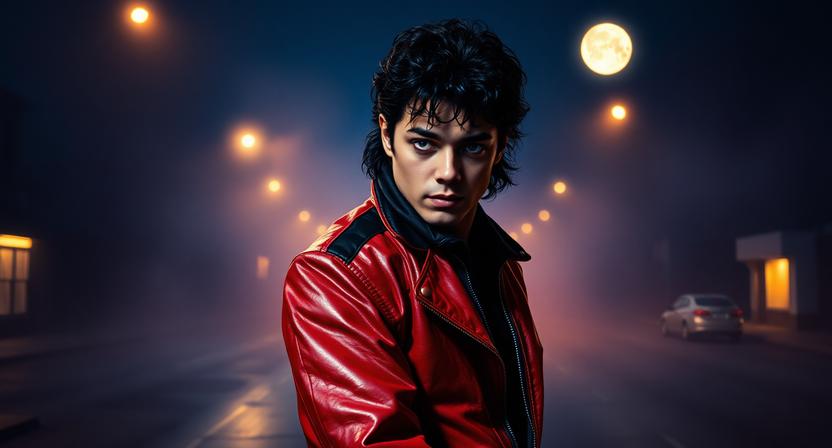
By 1983, MTV was already powerful—but Thriller transformed that power into something unprecedented. When Michael Jackson released the music video for “Thriller,” it didn’t just premiere on television. It stopped television. What followed was not simply a successful video, but a cultural moment so large it redefined what music, television, and celebrity could be.
At over thirteen minutes long, Thriller shattered every existing expectation of a music video. Directed by filmmaker John Landis, it was structured like a short movie, complete with dialogue, a narrative arc, special effects, and cinematic pacing. This was something entirely new. Music videos had grown more ambitious, but Thriller elevated the format into a theatrical experience. Watching it felt less like catching a clip between songs and more like attending an event.
MTV treated Thriller as exactly that—an event. The network promoted it heavily, aired behind-the-scenes features, and replayed it relentlessly. Viewers didn’t stumble upon Thriller by accident; they waited for it. Families gathered around televisions. Friends watched together. Conversations the next day revolved around the zombies, the red jacket, the eerie laugh, and the now-iconic dance sequence. It was appointment viewing on a global scale.
The video’s impact extended far beyond MTV’s cable reach. News outlets covered it. Schools, clubs, and dance floors echoed its choreography. VHS copies circulated widely, allowing fans to rewatch it repeatedly in an era before home recording was common. Thriller crossed boundaries between music, film, fashion, and pop culture, proving that a music video could exist as a standalone cultural artifact.
Equally important was what Thriller represented for MTV itself. Michael Jackson’s massive success forced the network to confront its role as a gatekeeper. His videos—Billie Jean, Beat It, and ultimately Thriller—helped break racial barriers on the channel, expanding representation and broadening MTV’s audience. The result was a shift not just in programming, but in the cultural identity of music television.
Artistically, Thriller raised the bar permanently. After its release, music videos were no longer expected to merely support a song—they were expected to compete for attention, imagination, and cultural relevance. Budgets increased. Directors gained creative prominence. Labels began thinking visually from the earliest stages of an album’s development. The ripple effects touched every genre and every artist hoping to succeed in the MTV era.
For Michael Jackson, Thriller cemented his status as a global icon. For MTV, it validated the channel’s central role in shaping popular culture. And for audiences, it created a shared memory—one of those rare moments when nearly everyone seemed to be watching the same thing at the same time.
Thriller wasn’t just a music video. It was proof that music television had reached its peak power, capable of uniting audiences across countries, cultures, and time zones. From that moment on, the question was no longer whether music videos mattered—but how far they could go.
Artists Who Defined MTV’s Golden Era
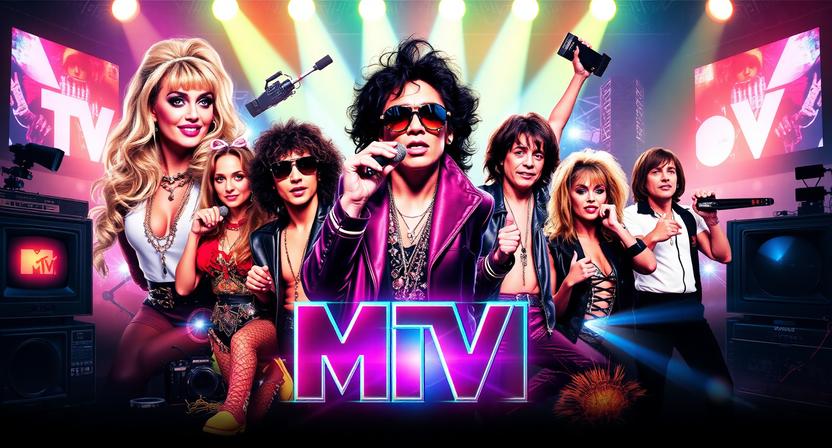
MTV’s golden era was not shaped by the channel alone—it was built by the artists who understood, embraced, and ultimately mastered the power of the screen. These musicians didn’t just appear on MTV; they belonged there. They recognized that music television was more than a promotional outlet—it was a stage, a canvas, and a direct line into the lives of millions of viewers. In doing so, they redefined what it meant to be a music star in the cable age.
One of the defining characteristics of these artists was their ability to translate sound into image. Bands like Duran Duran understood this almost instinctively. Their glossy, cinematic videos—often filmed in exotic locations—turned pop songs into escapist fantasies. MTV gave these visuals constant exposure, and the result was a global fan base that associated the band’s sound with sophistication, adventure, and style. For many viewers, Duran Duran didn’t just make music—they looked like music.
Madonna took this relationship between image and sound even further. She treated MTV as a platform for reinvention, using each video as a chance to challenge expectations. From the street-smart swagger of “Borderline” to the layered symbolism of “Like a Virgin,” Madonna demonstrated that music videos could be tools of self-definition and cultural commentary. Her presence on MTV wasn’t static—it evolved constantly, teaching audiences that image could be fluid, provocative, and powerful.
Prince brought a different kind of intensity to music television. His videos blended sexuality, mystique, and musical virtuosity, pushing boundaries in both content and presentation. On MTV, Prince wasn’t just seen—he was felt. His willingness to experiment with gender norms, fashion, and performance expanded the expressive possibilities of the medium, proving that music videos could be as daring and complex as the music itself.
Rock artists also found new life through MTV. Van Halen’s “Jump,” with its playful visuals and magnetic performance, showed how personality and charisma could shine through the screen. Later, artists like Bon Jovi used MTV to bring arena rock into living rooms, turning concerts into communal experiences for fans who might never attend a live show. The channel didn’t replace live performance—it amplified it.
MTV’s golden era also created space for more unconventional acts. Talking Heads, The Cars, and Tears for Fears used stylized visuals and conceptual storytelling to stand out in a crowded rotation. Their videos rewarded repeat viewing, encouraging audiences to look deeper and think differently about what music could express visually.
What united these artists was not genre, but adaptability. They understood that MTV rewarded creativity, boldness, and memorability. A strong video could elevate a song, reshape an artist’s image, and reach audiences far beyond radio’s limits. The screen became an extension of the music, and the most successful artists were those who learned to perform for the camera as naturally as they performed on stage.
Together, these musicians defined an era when MTV was more than a channel—it was the center of popular culture. Their videos remain embedded in collective memory, replayed and referenced decades later. They didn’t just ride the MTV wave; they shaped it, leaving behind a visual legacy that continues to influence how music is seen, shared, and remembered.
Fashion, Attitude, and the Power of Image
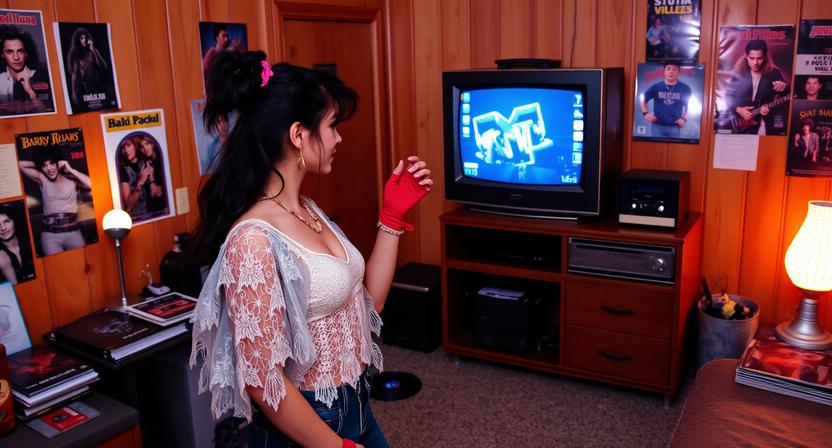
As MTV rose to cultural dominance, it became clear that music was no longer just something you listened to—it was something you wore, copied, and performed. The channel turned musicians into visual trendsetters and transformed fashion into a central part of musical identity. In the MTV era, image wasn’t superficial; it was power. What an artist wore, how they moved, and the attitude they projected could be just as influential as the song itself.
Before MTV, fashion trends in music spread slowly through album covers, magazine spreads, and the occasional television appearance. MTV changed that overnight. With videos airing in heavy rotation, viewers saw the same looks repeated daily, burned into memory through constant exposure. Hairstyles, clothing, makeup, and accessories became instantly recognizable—and instantly desirable. Music television accelerated fashion cycles, turning personal style into mass culture at unprecedented speed.
Artists understood this and leaned into it deliberately. Madonna’s layered lace, fingerless gloves, crucifixes, and teased hair became a visual manifesto of independence and rebellion. Her look wasn’t just copied—it was adopted, adapted, and personalized by fans around the world. Prince fused lace, heels, and bold colors with an unapologetic confidence that challenged traditional ideas of masculinity. David Bowie’s influence carried into the MTV era as artists embraced theatricality, androgyny, and self-invention.
MTV didn’t just reflect fashion—it taught it. Teenagers learned how to dress by watching music videos. They learned how to move, how to pose, how to project confidence. A jacket, a hairstyle, or a dance move seen on MTV could redefine what “cool” meant almost instantly. The channel functioned like a visual classroom, shaping taste across cities, suburbs, and countries simultaneously.
Attitude mattered as much as clothing. MTV rewarded artists who projected confidence, defiance, or mystery. Whether it was the swagger of rock bands, the polish of pop stars, or the introspection of alternative acts, image communicated emotion before a single lyric was processed. Body language, facial expressions, and camera presence became essential skills. Artists weren’t just musicians anymore—they were performers in a visual medium that demanded personality.
Fashion also became a way for artists to signal genre and identity. Leather, denim, and bandanas conveyed rock toughness. Sleek suits and stylized hair defined new wave sophistication. Bright colors, bold makeup, and exaggerated silhouettes reflected pop’s theatrical energy. These visual cues helped viewers instantly categorize and connect with artists, reinforcing MTV’s role as both entertainment and cultural shorthand.
The power of image extended beyond artists to audiences themselves. Fans didn’t just watch MTV—they modeled themselves after it. School hallways, shopping malls, and dance floors became extensions of the screen. Clothing choices became statements of musical allegiance, and style became a form of self-expression shaped directly by what played on cable television.
In this way, MTV blurred the line between music, fashion, and identity. Image wasn’t decoration; it was language. It told stories, challenged norms, and created icons. By giving music a constant visual presence, MTV ensured that fashion and attitude would forever be woven into how music is experienced, remembered, and lived.
VJs: The Faces and Voices of a Generation

In between the music videos—during those brief but unforgettable moments when the screen shifted from performance to personality—MTV introduced something entirely new: the VJ. Short for “video jockey,” VJs were not just hosts or announcers. They were guides, companions, and cultural translators, helping a generation navigate this brand-new world where music and television had merged.
Unlike traditional TV presenters, VJs were casual, conversational, and relatable. They didn’t speak at the audience—they spoke to them. Sitting on stools, leaning against sets, or casually introducing the next video, VJs created the feeling that MTV wasn’t a distant network, but a shared hangout space. They were cool without trying too hard, informed without sounding authoritative, and spontaneous in a way that felt authentic.
Early VJs like Nina Blackwood, Mark Goodman, J.J. Jackson, Alan Hunter, and Martha Quinn quickly became familiar faces. Viewers didn’t just recognize their voices—they trusted them. These hosts helped define MTV’s tone: youthful, informal, and plugged directly into the music scene. When a VJ introduced a new artist or hyped an upcoming video, it carried weight. Their enthusiasm shaped what viewers paid attention to and how they felt about it.
VJs played a crucial role in humanizing the channel. MTV’s nonstop stream of videos could have felt impersonal, but the VJs added continuity and warmth. They shared trivia, cracked jokes, reported music news, and occasionally went off-script. That looseness made the channel feel alive. It wasn’t polished network television—it was music culture unfolding in real time.
They also became tastemakers in their own right. VJs interviewed artists, covered tours, and hosted countdown shows that turned chart positions into drama. Shows like MTV Top 20 Video Countdown and Dial MTV invited viewer participation, reinforcing the idea that fans were part of the experience. Calling in requests, voting on videos, and watching results play out on screen gave audiences a sense of ownership over music television.
The influence of VJs extended beyond the screen. Their style, language, and attitudes filtered into youth culture. They modeled how to talk about music, how to be curious without being pretentious, and how to care deeply while still having fun. In many ways, they were the connective tissue between artists and fans—translating the industry into something approachable.
As MTV evolved, the role of the VJ changed, but during the channel’s golden era, they were indispensable. They provided context, continuity, and community. In a pre-internet world, VJs were often the first source of music news, premieres, and artist insights. They made MTV feel personal, even as it reached millions.
For an entire generation, the VJs weren’t just hosts—they were companions during late nights, after-school hours, and weekends spent watching the screen glow. Their voices and faces are inseparable from the memory of MTV itself, embodying a time when music television felt intimate, exciting, and alive.
How MTV Reshaped the Music Industry
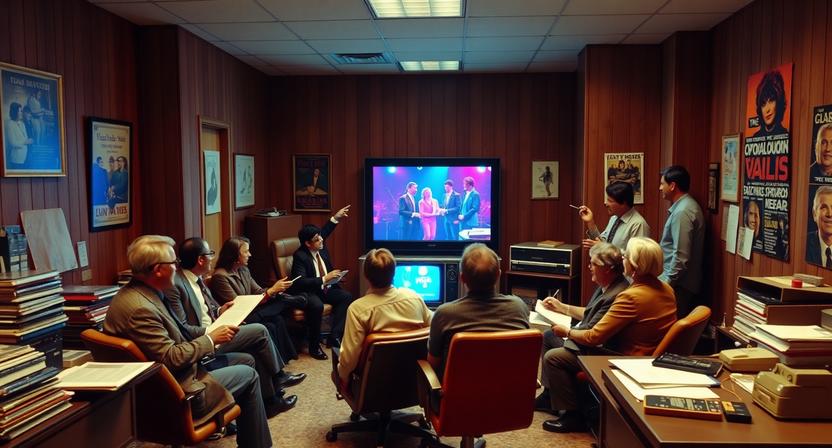
MTV did far more than change how music was consumed—it fundamentally altered how the music industry operated. What began as a cable channel playing videos quickly became one of the most powerful forces in determining which artists succeeded, which songs became hits, and how music was created, marketed, and sold. Once MTV proved its influence, the industry had no choice but to adapt.
Before MTV, success was driven primarily by radio airplay, touring, and record sales. Promotion followed a familiar path: release a single, secure radio rotation, support it with print advertising and live appearances, and hope it gained momentum. MTV added a new, transformative layer to this process. A strong music video could now launch a song nationally—or even globally—almost overnight. Visual exposure compressed the timeline of success, turning breakout moments into rapid cultural events.
Record labels quickly restructured their strategies around MTV. Music videos went from optional promotional tools to essential investments. Budgets increased, creative teams expanded, and video production became a central part of an album’s rollout. Labels began planning visuals months in advance, understanding that an artist’s image on screen could define public perception as much as the music itself. In many cases, MTV exposure directly translated into chart performance and album sales.
MTV also shifted the balance of power within the industry. Artists who looked compelling on camera gained an advantage, sometimes outperforming equally talented musicians who struggled to translate their sound visually. This reality sparked debate about substance versus image, but it also pushed artists to think more holistically about their craft. Performance, fashion, storytelling, and branding became integral components of musical success.
The channel changed how genres competed and coexisted. Styles that embraced visual flair—pop, new wave, glam, and later hip-hop—thrived in the MTV ecosystem. Meanwhile, genres that initially resisted the medium eventually adapted, recognizing that visibility mattered. MTV became a shared platform where diverse musical styles could reach overlapping audiences, breaking down some of the silos that had previously separated scenes and demographics.
MTV’s influence extended beyond promotion into artist development. Musicians began collaborating more closely with directors, choreographers, and stylists, creating multidisciplinary teams that shaped long-term careers. The music video director emerged as a creative force, sometimes gaining recognition equal to that of the artist. This collaboration blurred the line between music, film, and fashion, enriching all three industries.
The business side of music was transformed as well. MTV helped drive album-oriented marketing, encouraging fans to buy full records rather than just singles. It expanded international reach, exposing American artists to global audiences and bringing international acts into U.S. living rooms. This global visibility reshaped touring, licensing, and cross-market promotion, making pop stardom increasingly international in scope.
Perhaps most importantly, MTV changed audience expectations. Fans no longer wanted just songs—they wanted experiences. They expected visuals, narratives, and personalities to accompany the music they loved. This shift redefined what it meant to be an artist in the modern era and set the template for today’s multimedia music landscape.
By reshaping how music was promoted, produced, and perceived, MTV left an indelible mark on the industry. Its influence can still be seen in how artists launch careers, how albums are marketed, and how music lives across screens. Long after its peak as a music video powerhouse, MTV’s impact continues to shape the business of music itself.
MTV Then and Now: Legacy of a Cable Icon

MTV began as a bold experiment in cable television, but over more than four decades it became something far larger—a cultural landmark that reflected, shaped, and sometimes challenged the tastes of entire generations. While the channel seen today bears little resemblance to the one that launched in 1981, its legacy remains deeply woven into how music, media, and youth culture operate.
In its earliest years, MTV was singular in purpose. It was a channel built almost entirely around music videos, powered by the idea that sound and image together could create a more immersive experience. The channel’s influence was immediate and overwhelming. MTV didn’t just show music—it defined what music looked like. Artists, fashion, slang, and attitudes flowed outward from the screen into everyday life. For a time, turning on MTV meant tapping directly into the pulse of youth culture.
As the years passed, both technology and audience habits began to change. Cable television expanded, competition increased, and the music video—once MTV’s exclusive domain—found new homes. Home recording, DVDs, and eventually the internet shifted how people discovered and consumed music. MTV adapted by broadening its programming, introducing reality shows, pop culture coverage, and non-music content that reflected changing viewer interests. This evolution was controversial, particularly for those who remembered the channel’s music-first roots.
Yet MTV’s transformation did not erase its impact. Even as music videos moved online, the visual language MTV helped create lived on. YouTube, streaming platforms, and social media all operate on principles MTV pioneered: short-form visual storytelling, personality-driven content, and the fusion of music with identity. The expectation that artists should be visually expressive, brand-aware, and culturally fluent can be traced directly back to MTV’s golden era.
The channel also left a lasting imprint on cable television itself. MTV proved that niche cable networks could dominate culture by targeting specific audiences with precision and authenticity. It showed that youth culture was not only influential but commercially powerful. This model inspired countless channels and platforms that followed, each aiming to replicate MTV’s ability to capture a generation’s attention.
Perhaps the most enduring part of MTV’s legacy is emotional rather than technical. For those who grew up with it, MTV represents a shared experience—a time when music discovery felt communal, when premieres were events, and when the glow of a television screen connected millions of viewers at once. It was a soundtrack to adolescence, rebellion, creativity, and change.
Today, MTV still exists as a cable channel, though its role has shifted with the times. Its content focus has evolved, but its name remains synonymous with innovation, youth, and cultural impact. Few networks can claim to have changed an art form, an industry, and a generation’s identity all at once.
MTV may no longer be the place where the world discovers music for the first time—but it will always be the place where music learned how to be seen.
 Totally Retro: 80s Edition
Leave a comment