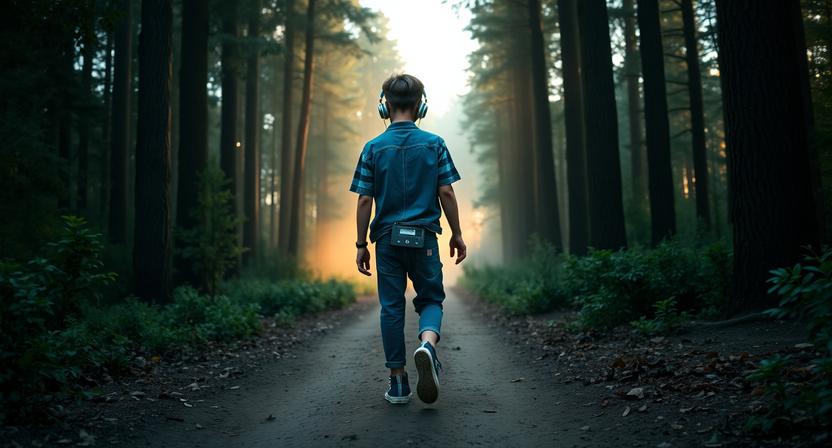
Introduction: The Myth and Reality of 80s Toughness
The idea that “80s kids were tougher” has become a familiar refrain across social media, nostalgic blogs, and casual conversations. It is often framed with humor—memes about drinking from garden hoses, riding bikes without helmets, or being sent outside until sunset—but beneath the jokes is a genuine cultural observation. Many people who grew up during the 1980s remember a childhood shaped by greater independence, fewer safety nets, and a level of personal responsibility that feels strikingly different from modern, highly supervised childhoods. Over time, these memories have blended into a kind of collective mythology, where every scraped knee became a badge of honor and every unsupervised adventure turned into proof of toughness.
At the same time, nostalgia has a way of smoothing out the rough edges. The 1980s were not some universally tougher or better era; they were simply different. Parenting styles were influenced by social norms of the time, technology had not yet reshaped daily life, and expectations placed on children leaned more heavily toward self-reliance. What often gets remembered as “toughness” is really the result of growing up in an environment where kids were expected to figure things out on their own more often, manage small risks without constant adult intervention, and learn from mistakes in very tangible ways.
This distinction matters. Toughness is not about romanticizing unsafe situations or dismissing modern approaches to safety and emotional awareness. Instead, it is about understanding how certain habits and strengths were formed. The resilience many 80s kids developed did not come from hardship alone, but from repeated exposure to independence, responsibility, boredom, and real-world problem-solving. These experiences quietly shaped how they approached challenges later in life, from adapting to rapid technological change to navigating setbacks with a thicker skin.
Exploring why 80s kids are often seen as tough is less about claiming superiority over younger generations and more about recognizing how environments shape people. Each generation grows up with its own pressures, tools, and limitations. By looking closely at what made 80s childhoods distinct, we can better understand where that reputation for toughness comes from—and what lessons, if any, still apply today.
Growing Up Without Constant Supervision
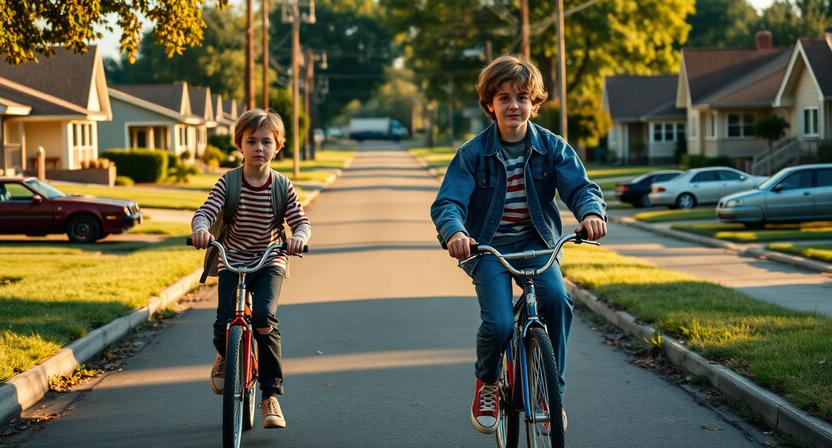
For many children in the 1980s, daily life unfolded with far less adult oversight than what is typical today. After school, large numbers of kids let themselves into empty houses, grabbed a snack, and headed back outside without checking in with a parent every few minutes. Weekends often meant long stretches of unscheduled time spent roaming the neighborhood, riding bikes, or hanging out at a friend’s house, with parents trusting that their children would find their way home by dinner. This lack of constant supervision was not usually framed as neglect at the time; it was considered a normal part of growing up and an informal training ground for independence.
This freedom forced children to make decisions early and live with the outcomes of those decisions. Without an adult immediately stepping in to resolve conflicts or prevent every minor risk, kids learned how to negotiate disagreements, set boundaries, and manage small dangers on their own. Arguments had to be settled face to face. Minor injuries were handled with quick judgment calls about whether something was serious enough to bring to an adult’s attention. These everyday moments quietly built confidence and self-trust, because children became accustomed to relying on their own judgment in ordinary situations.
At the same time, growing up without constant supervision meant developing an internal sense of responsibility rather than depending on external enforcement. Kids were expected to follow basic rules—be home at a certain time, avoid specific areas, look out for younger siblings—but how they managed the hours in between was largely up to them. This created an environment where consequences felt personal rather than imposed. When mistakes were made, they were often experienced directly, which made lessons stick more deeply than lectures ever could. Over time, this helped shape a mindset that problems were meant to be handled first by oneself, with help as a backup rather than a default.
Looking back, it is easy to romanticize this hands-off approach and ignore its shortcomings. Not every child benefited equally from such freedom, and some faced risks that would rightly raise concerns today. Still, the broader pattern of limited supervision played a role in shaping how many 80s kids learned to navigate uncertainty. The toughness associated with that generation often traces back to this early exposure to autonomy, where figuring things out alone was not exceptional but simply part of everyday life.
Learning Independence at a Young Age
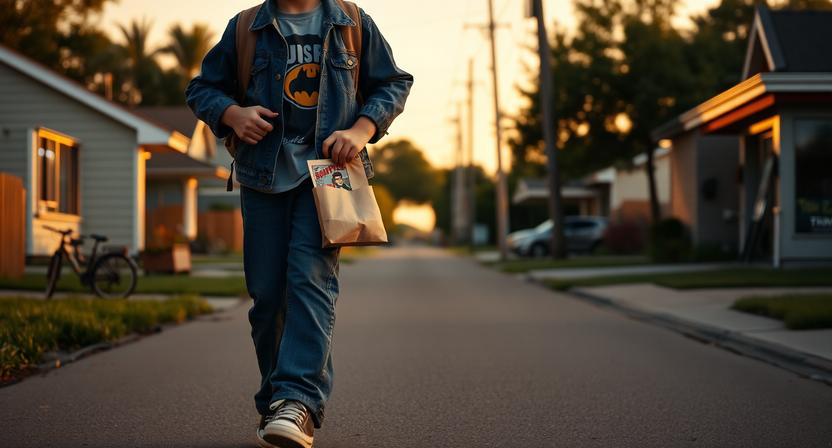
Independence was not treated as a special milestone for many children growing up in the 1980s; it was woven into everyday life from an early age. Kids were expected to handle small responsibilities without constant reminders, whether that meant getting themselves ready for school, walking to a friend’s house alone, or managing simple tasks around the home. These expectations were not usually framed as character-building exercises. They were practical assumptions shaped by the rhythms of family life at the time, especially in households where both parents worked or where older children were relied upon to look after younger siblings for short periods.
This early exposure to responsibility created a subtle but powerful shift in how children viewed themselves. When a child is trusted to carry out ordinary tasks without close supervision, they begin to see themselves as capable rather than dependent. Over time, this sense of capability compounds. Navigating public spaces alone, solving small problems without immediately seeking adult help, and being trusted with minor decisions all reinforce the idea that one’s actions matter and that personal judgment has real weight. These experiences build confidence not through praise, but through repetition, as children become familiar with handling everyday challenges on their own.
Independence also shaped how 80s kids approached mistakes. When something went wrong—forgetting a house key, missing a bus, or misjudging how long it would take to get home—the consequences were often felt directly. There was no instant messaging to call for rescue and no constant safety net hovering in the background. These moments, while frustrating at the time, taught practical problem-solving and emotional regulation. Children learned to pause, assess their situation, and figure out their next move, rather than waiting for immediate intervention. Over time, this cultivated a form of resilience grounded in experience rather than instruction.
The reputation for toughness that surrounds 80s kids is closely tied to this early independence. Being trusted to manage small pieces of life at a young age encouraged a mindset of self-reliance that carried into adulthood. It did not make every child fearless or perfectly self-sufficient, but it did normalize the idea that discomfort, uncertainty, and minor failure were part of learning. That normalization, more than any single dramatic experience, helped shape a generation that often feels comfortable navigating challenges without expecting constant guidance.
Surviving Without Smartphones or GPS
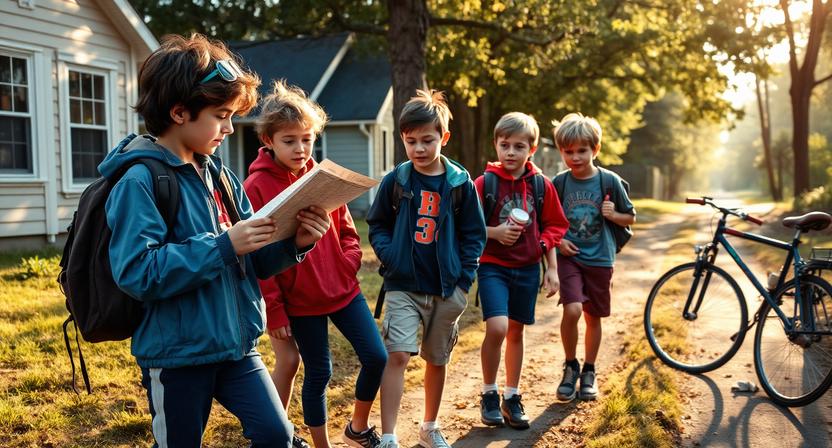
Growing up in the 1980s meant navigating the world without the digital safety nets that children today take for granted. There were no smartphones to check locations, no GPS to guide you down unfamiliar streets, and no instant messaging to clarify plans or ask for directions. Planning even a simple trip to a friend’s house, the local park, or the corner store required foresight, memorization, and attention to detail. Directions were written on scraps of paper, learned by rote, or explained once and then expected to be followed accurately. If you got lost, you could not simply pull up a map or call a parent—sometimes, the only options were retracing your steps, asking a neighbor or stranger for help, or improvising until you found your way. These experiences, repeated countless times, taught children a type of situational awareness that modern technology now quietly handles for us.
Without the convenience of digital tools, 80s kids developed a strong sense of spatial awareness and self-reliance. Navigating neighborhoods, bike paths, and city streets required remembering landmarks, estimating distances, and paying attention to the environment. Children learned to read street signs, notice subtle cues like the position of a building or the sound of nearby traffic, and recognize patterns in the world around them. Missteps were inevitable: missing a turn, taking a wrong street, or miscalculating travel time could leave a child frustrated, late, or temporarily stranded. Unlike today, these mistakes were not easily corrected with a few taps on a screen; they demanded problem-solving, patience, and resilience in real time.
The absence of smartphones also shaped how 80s kids handled uncertainty and social logistics. Meeting a friend meant agreeing on a place and time and hoping both parties arrived as planned. If someone failed to show up, there was no text message to explain the delay. Children had to make their own decisions: wait, go home, or find another way to occupy their time. This cultivated independence, patience, and adaptability. They learned to tolerate boredom, to entertain themselves without instant gratification, and to improvise solutions when plans inevitably fell apart. Waiting, planning, and recovering from small setbacks became ingrained behaviors, quietly reinforcing resilience and self-sufficiency.
Surviving without smartphones or GPS also influenced how 80s kids built social skills. Communication had to be face-to-face or over the telephone, which demanded clarity, initiative, and persistence. Kids learned to negotiate, clarify instructions, and confirm plans without relying on constant digital reminders. They also developed confidence in handling real-world challenges alone, without immediate parental intervention. These repeated experiences helped build a mindset that mistakes and uncertainty were part of life, and that navigating them independently was both normal and necessary.
In retrospect, surviving without these digital tools may seem daunting, even reckless, to modern observers. But for 80s kids, it was simply the backdrop of daily life. It required creativity, patience, and resilience, and it cultivated a form of quiet toughness that continues to distinguish that generation. The ability to think on one’s feet, to navigate complexity without constant guidance, and to recover from minor failures without external rescue became core skills—lessons in independence and self-reliance that many 80s kids carry into adulthood, shaping how they approach challenges, relationships, and opportunities today.
Outdoor Play, Scraped Knees, and Real-World Consequences

One of the most defining aspects of growing up in the 1980s was the sheer amount of time spent outdoors. For many kids, outside was not just a place to play—it was a classroom, a gym, a social arena, and sometimes even a testing ground for courage. The streets, parks, and empty lots of the neighborhood offered endless opportunities for exploration, creativity, and risk-taking. Unlike today’s structured schedules filled with organized sports, classes, or digital entertainment, 80s children were free to invent games, build forts, climb trees, or ride bikes for hours with little adult interference. This freedom was both exhilarating and educational, teaching lessons that could not be replicated indoors.
Scraped knees, bruised elbows, and the occasional tumble were normal rites of passage. Minor injuries were not cause for panic or immediate intervention; they were reminders of the physical risks inherent in play. Parents often allowed children to experience the consequences of their actions firsthand, whether it was falling off a swing, colliding with a friend during a game of tag, or misjudging a jump from a tree limb. These encounters with minor pain and failure were formative, teaching children to assess risk, manage discomfort, and develop perseverance. Over time, repeated experiences of getting up, dusting off, and trying again instilled resilience and a sense of personal responsibility that many 80s kids carry into adulthood.
Beyond physical resilience, outdoor play fostered problem-solving, creativity, and social skills. Children had to negotiate rules, settle disputes, and collaborate on shared activities without the constant oversight of adults or referees. They learned how to share space, handle conflict, and lead group activities, often without anyone stepping in to mediate. This type of experiential learning—learning by doing and experiencing the natural consequences of one’s choices—was fundamental in shaping independent, self-reliant individuals.
Outdoor experiences also taught adaptability. Weather, terrain, and other environmental factors constantly changed the rules of play, forcing children to improvise and think on their feet. A sudden rainstorm might transform a playground into a slippery obstacle course, while a broken swing or missing equipment prompted children to invent alternative games. In these moments, ingenuity and flexibility were just as important as physical toughness. Children learned to work with what they had and adjust quickly to unexpected challenges, skills that would later translate to problem-solving in the adult world.
In short, the outdoor freedoms and minor hardships of 80s childhoods were a critical component of what made that generation “tough.” The combination of unsupervised play, physical risk, and natural consequences created an environment where resilience was built organically. Every scraped knee and bruised elbow became a lesson in judgment, perseverance, and courage—quiet, cumulative experiences that shaped a generation capable of facing challenges with grit and creativity. Unlike structured or heavily monitored childhoods, the outdoor world of the 80s demanded self-reliance, personal responsibility, and adaptability, laying the foundation for a toughness that extended well beyond the playground.
Problem-Solving Before Google Existed
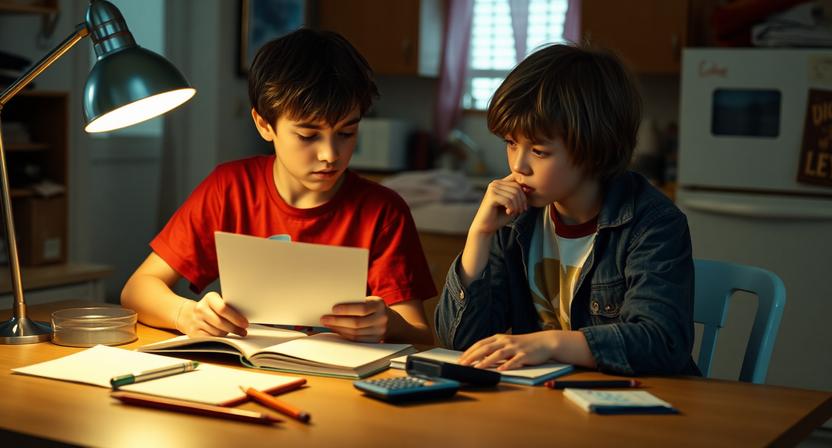
For children growing up in the 1980s, solving problems required patience, creativity, and persistence in a way that is almost unimaginable for today’s generation. There was no Google to instantly provide answers, no YouTube tutorials to walk you through fixing a broken bike, no social media threads to quickly crowdsource advice. If a question arose—whether about homework, a hobby, or a mechanical problem—children had to take a proactive approach: think critically, experiment, or seek guidance from someone nearby. This reliance on their own initiative, paired with limited external resources, cultivated resilience, resourcefulness, and independent thinking in ways that modern convenience often circumvents.
Academics offered countless opportunities to develop these skills. Research meant heading to the library, flipping through encyclopedias, and cross-referencing multiple books to assemble a coherent answer. Finding the right information was rarely straightforward, and mistakes were part of the process. A single typo or overlooked detail could derail a homework assignment, forcing children to revisit the material, double-check sources, and adapt their approach. Unlike today, where a simple search provides an immediate answer, the process was iterative. This repetition built critical thinking skills, patience, and the ability to tolerate uncertainty—qualities that carried over into everyday life.
Problem-solving extended far beyond schoolwork. Broken bicycles, jammed toys, or a simple backyard science experiment gone wrong became opportunities to learn through trial and error. Children had to observe what was happening, hypothesize potential solutions, test them, and assess the results. Parents or older siblings might offer advice, but often the ultimate responsibility fell on the child to think creatively and take action. This kind of hands-on troubleshooting cultivated independence and adaptability, reinforcing the idea that mistakes were not failures but lessons to be learned and applied in the future.
Social situations also demanded problem-solving skills that are less common today. Resolving conflicts with friends, negotiating rules for neighborhood games, or organizing group activities required diplomacy, flexibility, and clear communication. Misunderstandings could not be fixed with a text message or emoji; they had to be addressed face-to-face. Children learned to read social cues, interpret body language, and consider multiple perspectives, skills that strengthened empathy and interpersonal awareness alongside their cognitive problem-solving abilities.
Even simple, everyday inconveniences became lessons in self-reliance. A misplaced homework assignment, a forgotten lunch, or a missed bus required quick thinking and decision-making. Kids had to figure out alternative ways to solve the problem, often under time pressure and with limited support. These repeated experiences of thinking independently under small amounts of stress honed confidence and competence, quietly teaching children that they could handle challenges without constant adult intervention or digital assistance.
In many ways, the absence of instant access to information created a world that encouraged experimentation, ingenuity, and persistence. Children had to be curious, resourceful, and resilient, developing skills that are difficult to replicate in a digital environment where answers are always a click away. This constant engagement with problem-solving, trial-and-error, and personal accountability contributed significantly to the toughness often attributed to 80s kids. Their ability to face challenges, adapt, and find solutions independently became a defining characteristic of their generation—a resilience cultivated not in theory but in everyday practice.
Resilience Built Through Trial and Error

Resilience is often spoken of as an innate quality, something a person either has or doesn’t, but for 80s kids, resilience was largely learned—through repeated exposure to trial and error. Childhood in the 1980s was full of small failures and setbacks, and unlike today’s children, who often have instant guidance, hints, or digital safety nets, 80s kids were encouraged—or sometimes simply forced—to navigate these challenges on their own. Whether it was figuring out a new game, fixing a broken toy, or negotiating a conflict with a friend, success usually came after multiple attempts, each failure carrying its own lesson. These experiences fostered persistence, patience, and an understanding that mistakes are part of the learning process rather than a reason to give up.
One of the most striking ways trial and error built resilience was in the realm of practical, everyday challenges. Riding a bike for the first time, for instance, often meant repeated falls, scraped knees, and bruised elbows. There was rarely a coach or structured lesson plan—children learned by experimenting, adjusting their balance, and trying again until success was achieved. Similarly, building a treehouse, fixing a loose doorknob, or assembling a model kit required children to anticipate problems, test solutions, and adapt as obstacles arose. The process was sometimes frustrating, but it strengthened problem-solving abilities, perseverance, and a sense of personal accomplishment that comes only from overcoming difficulty independently.
Resilience also developed socially. Without constant adult intervention, children were expected to resolve disputes and misunderstandings with peers themselves. Arguments over game rules, disagreements about roles in group activities, or hurt feelings required negotiation, compromise, and the emotional maturity to move past setbacks. Failing socially—losing a game, being excluded, or having a plan fall apart—was as instructive as any physical or practical challenge. These experiences taught kids that failure was temporary and surmountable, and that emotional setbacks were opportunities to learn patience, empathy, and strategic thinking.
Trial and error also shaped the way 80s kids approached risk. Without digital warnings or overprotective supervision, children often faced minor dangers—climbing too high, biking on uneven streets, or testing the limits of playground equipment. Each incident, as long as it did not result in serious injury, was a learning experience. Children quickly learned to gauge risk, weigh potential consequences, and make more informed decisions in the future. This practical form of resilience—growing stronger by testing limits and experiencing the natural consequences of choices—prepared them for challenges beyond childhood, from navigating personal relationships to tackling professional obstacles.
Importantly, resilience built through trial and error was cumulative. Each small setback contributed to a growing internal toolkit of coping strategies, problem-solving methods, and emotional regulation. Over time, children developed confidence in their ability to handle difficulties without external intervention, creating a self-reinforcing cycle: success after repeated failure strengthened both competence and courage, which in turn made future challenges less intimidating. This incremental process was subtle but profound, quietly shaping the generation’s capacity to endure, adapt, and thrive under conditions that might overwhelm less-experienced individuals.
In essence, the toughness attributed to 80s kids was not about avoiding pain or challenge—it was about encountering difficulty repeatedly and learning to respond constructively. Every scraped knee, failed project, or lost argument was an opportunity to practice resilience. By navigating trial and error on a daily basis, children developed a mindset that setbacks are temporary, challenges are surmountable, and perseverance pays off. This form of resilience, built in the ordinary, unstructured moments of childhood, became a defining characteristic of the generation, laying the foundation for self-reliance, problem-solving, and emotional strength that extends well into adulthood.
Pop Culture That Glorified Courage and Grit

The 1980s were a golden era for pop culture that celebrated courage, perseverance, and the triumph of the underdog. Television shows, movies, music, and even toys sent clear messages to children: bravery, determination, and resilience were qualities to admire and emulate. From action-packed blockbusters to animated adventures, the media of the era often placed young heroes—and sometimes ordinary kids—into situations that demanded resourcefulness and grit, reinforcing the life lessons learned in daily childhood experiences.
Movies like The Goonies, E.T. the Extra-Terrestrial, and Stand By Me portrayed children facing challenges far beyond their years, navigating dangers, solving problems, and supporting one another in high-stakes situations. These stories emphasized teamwork, loyalty, and perseverance, showing that courage was not about avoiding fear or difficulty, but confronting it with creativity and determination. Kids saw heroes who stumbled, got scared, or made mistakes—and crucially, they also saw those heroes recover, adapt, and succeed. The narratives mirrored real life, where trial and error shaped resilience, and failure was simply another step toward achieving a goal.
Television also reinforced these values. Shows like Knight Rider, MacGyver, and Transformers highlighted characters who relied on ingenuity, resourcefulness, and persistence rather than sheer strength. Even children’s cartoons and Saturday morning programs, from He-Man to Teenage Mutant Ninja Turtles, often featured protagonists overcoming obstacles, protecting friends, and solving problems through clever thinking or teamwork. These stories offered models of courage and problem-solving that children could internalize, linking the lessons of fictional adventures with the realities of their everyday lives.
Music and literature played a similar role. Inspirational songs, from rock anthems to pop hits, often celebrated perseverance and self-reliance, while books like The Babysitters Club or Choose Your Own Adventure series allowed children to navigate challenges and make decisions that had tangible consequences, reinforcing the connection between effort, risk-taking, and reward. Even toys encouraged independent thinking and experimentation: construction sets, puzzles, and electronic games required patience, trial-and-error, and creative problem-solving, subtly building resilience while keeping children engaged and entertained.
Pop culture did more than entertain; it shaped attitudes, reinforced behaviors, and offered a sense of shared identity. Kids internalized the idea that challenges were not only expected but also surmountable, and that courage often meant persisting in the face of uncertainty or failure. This external reinforcement, combined with the realities of unsupervised play, outdoor exploration, and hands-on problem-solving, helped create a generation that valued grit, adaptability, and personal responsibility. Popular media did not just reflect the toughness of 80s kids—it amplified it, providing narratives, role models, and cultural touchstones that validated and celebrated the very qualities that were being honed in everyday life.
In short, pop culture of the 1980s acted as both a mirror and a guide: reflecting the challenges of childhood while promoting the virtues of perseverance, courage, and ingenuity. It gave children concrete examples of how to face difficulties, take risks, and recover from setbacks—lessons that, when combined with the realities of life before smartphones, GPS, and constant adult supervision, contributed directly to the reputation for toughness that defines the generation.
Handling Boredom Without Instant Entertainment
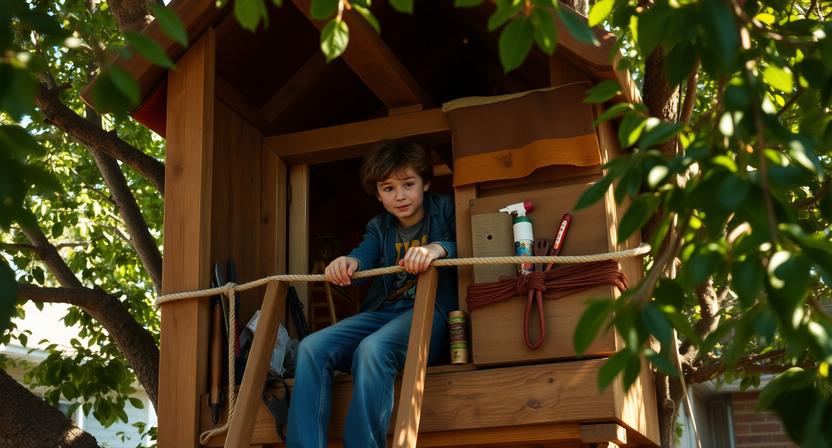
One of the less obvious but profoundly formative aspects of growing up in the 1980s was learning to handle boredom—a state that today’s children rarely experience thanks to smartphones, tablets, streaming services, and on-demand gaming. For 80s kids, moments of downtime were inevitable: a rainy afternoon with no planned activities, a sibling stuck in their room, or simply waiting for a friend to arrive. Without screens to fill every idle moment, children had to become active architects of their own entertainment, inventing games, creating imaginative worlds, or simply observing and interacting with the environment around them.
Boredom was not a nuisance to be instantly remedied; it was a challenge that required creativity and self-direction. Kids invented elaborate stories with toys, crafted obstacle courses in backyards, or turned ordinary household items into makeshift props for games. Entire afternoons could be spent building forts out of blankets, racing bikes through the neighborhood, or concocting games whose rules evolved with every turn. This type of play demanded resourcefulness, improvisation, and patience—skills that modern instant gratification often bypasses. In learning to create their own fun, 80s kids practiced independence and problem-solving while simultaneously stretching their imagination.
The experience of boredom also fostered resilience. Without constant stimulation, children learned to tolerate discomfort, manage impatience, and develop the ability to entertain themselves without external validation or digital rewards. Waiting became a lesson in patience; figuring out how to fill time became an exercise in resourcefulness. This habit of self-directed engagement strengthened their capacity for focus, perseverance, and initiative, as they discovered that creativity often arises when structure and direction are absent.
Social interactions further enhanced this skill set. Group play often relied on collective improvisation—deciding on rules, resolving disputes, and inventing games on the spot. Negotiating play scenarios without adult mediation encouraged collaboration, leadership, and compromise. Children quickly learned that inactivity was temporary, boredom could be conquered through initiative, and even failure—when a game didn’t go as planned—was an opportunity to adapt and try again.
In essence, handling boredom without instant entertainment trained 80s kids in a subtle form of toughness. They developed independence, creativity, patience, and the ability to thrive without constant external stimuli. In a world increasingly dominated by passive consumption, this ability to self-start, innovate, and endure periods of quiet reflection or waiting was—and remains—a skill that shaped their resilience, problem-solving abilities, and capacity to confront challenges without relying on immediate solutions.
Developing Social Skills Face-to-Face
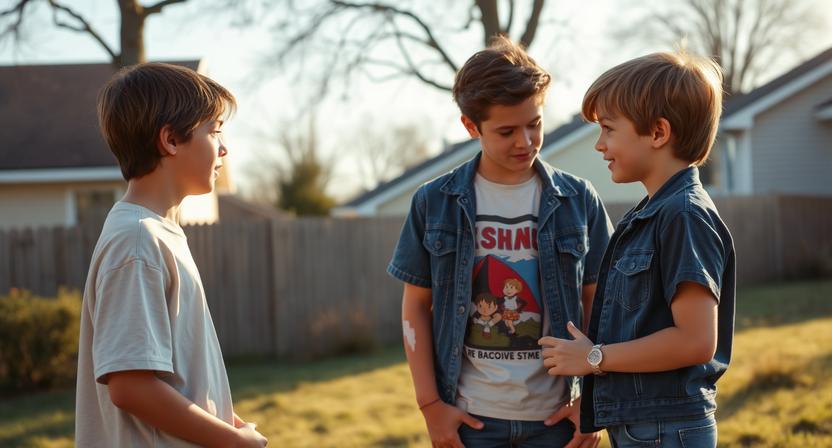
Children growing up in the 1980s learned to navigate social dynamics in a world without digital intermediaries. Friendships, conflicts, and collaborations unfolded entirely in person, which meant that 80s kids developed nuanced social skills simply by interacting face-to-face on a daily basis. Communication was immediate, direct, and often unfiltered, forcing children to understand tone, body language, facial expressions, and context—skills that are sometimes underdeveloped in generations accustomed to texting or social media interactions.
Playgrounds, neighborhood streets, and schoolyards served as training grounds for these abilities. Organizing a game of kickball, negotiating roles for a team, or mediating disputes over whose turn it was required negotiation, empathy, and conflict resolution. There was no “mute” button or instant message to retreat behind; disagreements had to be addressed in the moment. Children learned patience and compromise, recognizing that collaboration often required give-and-take, clear communication, and creative problem-solving to reach shared goals. Even minor social missteps—a misunderstood comment or a misread social cue—became opportunities to adjust and learn, reinforcing adaptability and emotional intelligence.
Group activities outside of school also strengthened these skills. Neighborhood adventures, bicycle clubs, or impromptu backyard games demanded coordination, leadership, and teamwork. Kids learned to motivate peers, mediate disputes, and manage group dynamics without adult supervision, often relying on creativity and persuasion rather than authority. This fostered self-confidence and a sense of accountability, as children quickly realized that the success or failure of their activities depended on their ability to communicate and collaborate effectively.
Developing social skills in person also built resilience. Social rejection, teasing, or minor conflicts were experienced directly, without the buffer of screens or online anonymity. Children learned to process emotions, develop empathy, and understand consequences within a social context. They became adept at reading situations, adjusting their behavior, and cultivating lasting relationships, all of which contributed to a robust sense of interpersonal competence. These lessons carried beyond childhood, providing a foundation for professional and personal interactions in adulthood.
In short, growing up face-to-face created a generation highly attuned to social dynamics, capable of navigating conflict, collaboration, and leadership without relying on digital mediation. This social sophistication, forged through unfiltered interaction and real-world problem-solving, complemented the independence, resilience, and creativity nurtured by other aspects of 1980s childhood. Together, these experiences helped form 80s kids into individuals who could approach challenges—both personal and collective—with confidence, adaptability, and emotional intelligence.
Why 80s Kids Adapt So Well to Change

One of the defining traits of children who grew up in the 1980s is their remarkable adaptability. Growing up in a world that lacked the instant information, digital guidance, and structured entertainment of today required kids to constantly adjust to new situations, figure things out on the fly, and rely on their own resourcefulness. Change was not mediated by notifications or step-by-step instructions; it happened in real time, and children had to respond—or risk being left behind. This early exposure to unpredictability cultivated a flexibility that would become a hallmark of the generation.
Everyday life demanded adaptation. Weather could derail outdoor plans, friends could cancel at the last minute, and a broken toy or misplaced bike could require quick problem-solving. Without digital tools to mitigate uncertainty, children learned to improvise solutions, make decisions independently, and recover gracefully from setbacks. Even minor disruptions taught lessons in patience, resilience, and creativity. A canceled game of kickball could turn into an impromptu adventure or a new game invented on the spot, reinforcing the mindset that unexpected circumstances were opportunities, not crises.
Technological and societal shifts further reinforced adaptability. The 1980s were a transitional decade: home computers began entering households, gaming consoles evolved rapidly, and pop culture trends changed at a pace that demanded attention and engagement. Kids learned to navigate these shifts intuitively, experimenting with new tools, understanding rules as they evolved, and integrating unfamiliar experiences into daily life. The ability to approach novelty without hesitation became second nature, as children had to make sense of both physical and cultural changes simultaneously.
Social environments also contributed to adaptability. Peer groups were fluid, and friendships often required negotiation, compromise, and understanding diverse personalities. Group play demanded flexibility—rules could change mid-game, team members might be absent, and activities had to adjust accordingly. These small but frequent challenges taught children to read situations, anticipate change, and adjust behavior without stress or reliance on external guidance.
Ultimately, the adaptability of 80s kids was a product of cumulative experience. Growing up without constant supervision, instant entertainment, or ready-made solutions meant that children were frequently exposed to uncertainty and unexpected outcomes. Each challenge—from navigating a new neighborhood route to resolving conflicts with friends, from learning new technologies to improvising games during rainy afternoons—reinforced their capacity to pivot, experiment, and recover. These experiences did more than make them resilient; they taught a form of mental agility and resourcefulness that translates seamlessly into adulthood.
In essence, 80s kids learned to thrive in a world where change was inevitable and solutions were not guaranteed. Their toughness was not simply physical or emotional—it was adaptive. By developing the ability to respond creatively and confidently to new situations, they cultivated a form of resilience and versatility that remains strikingly relevant in a constantly evolving world.
What Younger Generations Can Learn From 80s Childhood

While nostalgia often frames 1980s childhood as “tougher” than today, the value of that toughness goes beyond sentimental stories of scraped knees or unsupervised play. There are concrete lessons younger generations can glean from the environment, habits, and challenges of 80s kids—lessons in independence, resilience, creativity, and adaptability that remain relevant in a world dominated by instant information and digital convenience.
First, the importance of self-reliance stands out. Children in the 80s were often expected to solve problems on their own, from navigating neighborhoods to completing school assignments without constant guidance. This fostered confidence, initiative, and a sense of responsibility that extended far beyond childhood. Younger generations can benefit from opportunities to tackle challenges independently, learning that mistakes are not failures but essential steps in growth.
Second, resilience through trial and error is a skill that modern convenience sometimes undermines. For 80s kids, learning meant doing, failing, adjusting, and trying again. Whether it was repairing a broken toy, figuring out a new game, or negotiating social conflicts, repeated exposure to small setbacks taught patience, persistence, and creative problem-solving. Today’s youth can cultivate similar resilience by embracing challenges without immediately seeking digital or adult shortcuts, learning to navigate frustration and find solutions themselves.
Third, the ability to entertain oneself and embrace boredom fostered creativity and imagination. Without screens at every turn, 80s kids invented games, crafted stories, and explored their surroundings actively. These experiences built resourcefulness, curiosity, and independent thinking. For younger generations, stepping away from constant digital stimulation and engaging in self-directed activities can spark similar imaginative growth and problem-solving skills.
Fourth, face-to-face social skills were honed in a pre-digital world. Children learned to communicate directly, read body language, manage conflicts, and collaborate with peers in real time. In contrast, today’s social interactions are often mediated by devices, emojis, and filtered communication. Emphasizing in-person connection and active listening can help younger generations develop emotional intelligence, empathy, and teamwork—skills as critical in adulthood as academic or technical abilities.
Finally, adapting to change and uncertainty was a natural part of 80s childhood. Kids navigated unpredictable weather, evolving games, shifting friendships, and cultural trends with flexibility and creativity. In a world now defined by rapid technological change and constant information flow, the ability to adapt, improvise, and approach the unknown with confidence is arguably more valuable than ever.
In sum, younger generations can learn from the balance 80s kids struck between independence, resilience, creativity, social engagement, and adaptability. While childhood environments differ, the underlying lessons—learning through doing, embracing challenges, cultivating imagination, developing interpersonal skills, and adapting to change—remain timeless. By consciously incorporating these approaches, today’s youth can build a form of toughness and resourcefulness that complements the tools and conveniences of the modern world.
Conclusion: Toughness Then vs. Resilience Now

Reflecting on the childhood of 80s kids reveals that the toughness often attributed to that generation was not simply about physical endurance, risk-taking, or independence from parental supervision. It was a multifaceted resilience shaped by environment, culture, and experience. Growing up without instant access to information, constant digital entertainment, or pervasive safety nets required children to think creatively, solve problems independently, and navigate social dynamics in real time. Every scraped knee, failed project, improvised game, and misadventure contributed to a foundation of resourcefulness, adaptability, and emotional intelligence.
Comparing this to modern childhood is not about claiming superiority. Today’s children face a different set of challenges—information overload, digital distractions, heightened social pressures, and an unprecedented pace of change. Their resilience may manifest in other ways, such as mastering technology, navigating online communities, or balancing multiple academic and extracurricular demands. The context has shifted, but the underlying principle remains the same: resilience is learned through exposure to manageable challenges, opportunities to practice problem-solving, and experiences that encourage perseverance.
The lessons of 80s childhood offer insight into cultivating this resilience. Independence, the ability to tolerate boredom, problem-solving through trial and error, and face-to-face social skills created a generation capable of adapting to change with confidence. While the environment has changed, these qualities can be intentionally nurtured today, providing younger generations with tools to face their own unique challenges.
Ultimately, the “toughness” of 80s kids was a byproduct of lived experience—a resilience honed in a world that required children to engage fully, creatively, and courageously with the real world. It serves as a reminder that while tools, technologies, and societal norms evolve, the development of inner strength, adaptability, and resourcefulness remains a timeless and essential component of growing up. Toughness may look different now, but the core of resilience—the ability to confront challenges, learn from failure, and persevere—remains as important as ever.
 Totally Retro: 80s Edition
Leave a comment