Introduction: Welcome to the Toy Explosion
The 1980s were a golden era of toys, where plastic, imagination, and obsession collided. Toys weren’t just for fun—they were status symbols, conversation starters, and must-have treasures that swept through schools, living rooms, and playgrounds alike. From the Rubik’s Cube to Cabbage Patch Kids, every new craze sparked a frenzy that had kids begging, trading, and sometimes even camping outside stores to get their hands on the latest hit.
Television commercials, cartoons, and clever marketing made toys into cultural icons overnight, while scarcity and peer pressure fueled the thrill of the hunt. A simple figure or doll could turn into a prized trophy, and collecting or showing off your toys became a social rite of passage.
In this blog, we’ll relive that wild decade: exploring the iconic toys, the frenzied buying sprees, the playground status games, and the lasting legacy that keeps 80s toy mania alive today. Get ready to step back into a world where every toy was a treasure and every craze was unforgettable.
The Iconic Toys of the Decade
The 1980s were a golden era for toys, producing an unforgettable lineup of items that became cultural icons. From puzzles to dolls, action figures to electronic gadgets, every toy had the power to ignite obsession. Some were simple playthings, others were collectible treasures, and a few were downright bizarre—but all contributed to the playground frenzy that defined the decade.
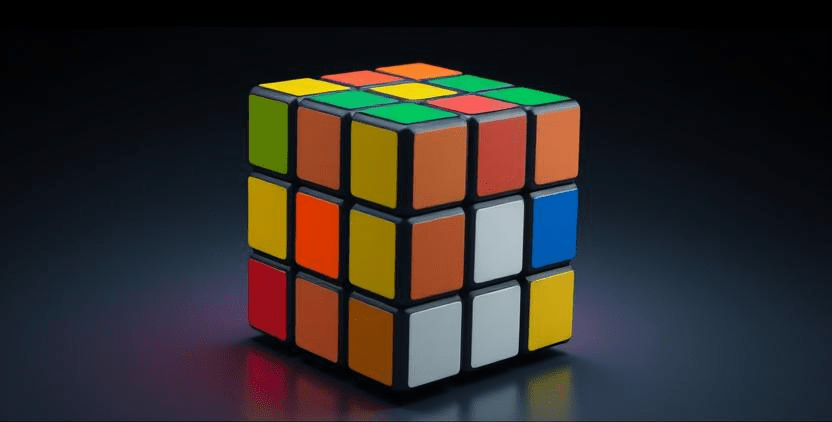
The Rubik’s Cube was perhaps the quintessential 1980s toy, a brain-bending puzzle that challenged kids and adults alike. Solving the cube wasn’t just a pastime; it became a symbol of intellect, patience, and perseverance. It dominated classrooms, lunch tables, and even competitions, and owning a cube—or mastering it—was a point of pride. Alongside puzzles, dolls like Cabbage Patch Kids created the first real “adoption frenzy.” Each doll had its own name and adoption papers, prompting long store lines and sold-out shelves. My Little Pony added to the craze with colorful, collectible ponies, each with its own personality, while Care Bears offered plush companions that taught lessons about caring and friendship. Strawberry Shortcake brought sweet, scented dolls with pets and themed accessories, Littlest Pet Shop featured tiny animals with interchangeable playsets, and Popples could be “popped” into balls for storage or play. Even more unusual toys, such as the glowing Glo Worm, the animatronic storytelling bear Teddy Ruxpin, and the Koosh Ball, added charm and quirky appeal to playrooms.
Action figures captured imagination in entirely new ways, turning bedrooms into epic battlefields. G.I. Joe brought military adventures to life, while He-Man and the Masters of the Universe offered fantasy battles with larger-than-life heroes like He-Man and villains like Skeletor. Transformers revolutionized the toy world by giving kids robots that could transform into vehicles, combining storytelling with clever engineering. Teenage Mutant Ninja Turtles brought comic-book heroes to life, while Thundercats introduced cat-like warriors who battled in fantastical worlds. Micronauts offered interchangeable sci-fi figures for inventive play, and M.U.S.C.L.E. figures allowed kids to collect tiny wrestlers for battling and trading.
The decade also saw the rise of electronic and high-tech toys. Simon tested memory with flashing lights and sounds, Speak & Spell made learning fun with its talking spelling games, Lite-Brite allowed kids to create glowing pictures with colorful pegs, and Nintendo’s Game Boy introduced handheld gaming that transformed portable play forever. Playsets and vehicles complemented these toys: Hot Wheels and Matchbox cars fueled racing competitions on elaborate tracks, Tonka Trucks allowed kids to tackle rugged construction play, and Playmobil sets brought miniature worlds of knights, pirates, and everyday life into bedrooms. G.I. Joe vehicles and bases expanded storytelling possibilities for action figures, adding tanks, helicopters, and headquarters to epic toy battles.
Some toys were short-lived or quirky, yet they left lasting impressions. Care Bear Cousins expanded the plush universe with lions, elephants, and other animals, while Teddy Ruxpin’s cassette-powered storytelling captivated children at bedtime. Pogo Balls challenged kids to bounce while balancing, and Rubik’s Magic and Rubik’s Junior offered expanded puzzle fun for younger players. Creepy Crawlers let children make rubber insects with molds and hot plates, and Monchhichi dolls brought a Japanese collectible phenomenon to the global market. Even board games like Pictionary and kid-friendly Trivial Pursuit became social experiences that extended the influence of toys beyond solo play.
What made all these toys iconic wasn’t just their design or playability—it was the way they inspired imagination, competition, social interaction, and sometimes pure obsession. Children didn’t just play; they collected, traded, displayed, and used their toys as a form of social currency. Whether it was twisting a Rubik’s Cube, adopting a Cabbage Patch Kid, battling with Transformers, or building elaborate Hot Wheels tracks, the 1980s turned play into a cultural phenomenon. Toys weren’t just objects; they were experiences, conversation starters, community builders, and cherished memories.
The toys of the 1980s didn’t just fill playrooms—they helped define a generation. Some were fleeting crazes, some were enduring favorites, but all contributed to the unmatched energy, creativity, and nostalgia that make the decade so unforgettable. From brain-teasing puzzles to quirky collectibles, from heroic action figures to interactive electronics, the iconic toys of the 1980s continue to inspire collectors and fans decades later, proving that some toys never lose their magic.
How the Hype Spread
The mania surrounding 1980s toys didn’t appear overnight—it was carefully amplified by a combination of media, word-of-mouth, and the natural human desire to belong. Television was perhaps the most powerful driver of toy obsession. Saturday morning cartoons weren’t just entertainment; they were long-form commercials that blurred the line between story and product. Shows like Transformers, He-Man and the Masters of the Universe, G.I. Joe, and Thundercats created entire worlds around the toys, turning bedrooms into arenas for imagination. Watching heroes battle villains on screen made children want to recreate those adventures in real life, and owning the action figures meant they could. Commercials played relentlessly during daytime programming, with jingles, slogans, and dramatic demonstrations that stuck in children’s minds. A toy’s appeal wasn’t just in what it was—it was in what it represented, and TV made that promise irresistible.
Print media and catalogs reinforced the desire. Pages of the Toys “R” Us catalog or Sears holiday specials weren’t simply advertisements—they were treasure maps. Children circled their favorites, cut out pictures, and carefully planned their holiday wish lists. Magazines featured toy reviews, sneak peeks, and news of “must-have” items, giving kids insider knowledge that made them feel part of a larger cultural moment. Even comic books sometimes doubled as mini-toy ads, with stories linking the latest figure to exciting adventures and collectible value. In a time before social media, print and television were the primary channels for spreading excitement, and they did so with remarkable efficiency.
Peer pressure amplified this frenzy. Playground chatter, after-school conversations, and show-and-tell moments became extensions of the marketing machinery. If a friend had the latest My Little Pony, Cabbage Patch Kid, or action figure, it wasn’t just a toy—it was social proof. Children learned quickly that possessing a rare or popular item elevated status among classmates. Trading, showing off, and comparing collections became a daily ritual. Stories of kids begging, bartering, and even scheming to get their hands on a limited toy circulated through schools, creating a feedback loop of hype that no commercial could replicate. The playground itself became a microcosm of the craze, where toys acted as currency, status symbols, and even conversation starters.
Scarcity fueled obsession further. Manufacturers sometimes released limited editions, special colors, or seasonal exclusives, but even standard toys were often hard to find during peak demand. Parents would arrive at stores early in the morning or spend hours navigating aisles only to face empty shelves. The thrill of finding a coveted toy became as much a part of the experience as playing with it, and the frustration of missing out added to the allure. Legendary toy hunts emerged, with families traveling across town—or even to different cities—chasing the hottest items. This scarcity-driven culture turned everyday shopping trips into dramatic adventures, elevating toys to the status of cultural events.
Promotions and endorsements also contributed to the hype. Celebrities, athletes, and popular cartoon voices often appeared in commercials or promotional events, giving toys a sense of glamour and relevance. In-store demonstrations, toy fairs, and special appearances made the toys feel alive and attainable. Limited-time offers, contests, and collectible tie-ins encouraged kids to act fast and keep watching for the next big thing. Even seasonal trends, like the Christmas rush, created a sense of urgency that intensified the mania.
Ultimately, the hype surrounding 1980s toys was a perfect storm of media saturation, social influence, and scarcity. Television planted the seeds of desire, print and catalogs nurtured them, peer networks spread the excitement, and scarcity ensured that these toys weren’t just playthings—they were status symbols and cultural touchstones. By the time a child unwrapped a Cabbage Patch Kid or solved a Rubik’s Cube, they weren’t merely playing; they were participating in a shared cultural phenomenon, one that defined a generation and left memories that would endure for decades. Toys of the 1980s were never just objects—they were experiences, social currency, and stories in the making.
The Buying Frenzy
If the hype was the spark, the buying frenzy of the 1980s was the wildfire. Once a toy was deemed “must-have,” it wasn’t enough to simply ask for it politely—it became a full-scale mission, a mix of strategy, persistence, and sometimes pure desperation. Stores like Toys “R” Us, Sears, and local department stores transformed into battlegrounds where children, parents, and sometimes even collectors competed for the latest craze. Long before Black Friday was a household term, the Christmas season became synonymous with early mornings, long lines, and the thrill of the hunt.
Parents often became strategic partners—or unwitting accomplices—in the search for elusive toys. Some scouted multiple stores, others camped outside overnight, and many relied on friends, family, or neighbors to help cover more ground. The quest for a Cabbage Patch Kid or a limited-edition action figure could dominate weeks of planning. Stories of parents bribing children with alternative toys just to get them to behave during the store search were common, as were tales of “sold out” signs that crushed hopes and created instant anxiety. It wasn’t unusual for children to trade their own possessions or make deals with friends just to get the toys everyone was talking about.
The frenzy wasn’t limited to dolls and action figures. Rubik’s Cubes were snapped up as soon as they appeared on shelves, while My Little Pony, Care Bears, and other collectibles often disappeared within hours. Specialty toys like Teddy Ruxpin, Koosh Balls, and Micronauts created similar chaos. Even Playmobil sets, Tonka Trucks, and Hot Wheels tracks sometimes vanished faster than the stores could restock them. The combination of scarcity and social pressure made every shopping trip feel like a high-stakes adventure.
Holiday advertisements intensified the buying frenzy. Television commercials featuring excited children, colorful packaging, and catchy jingles ignited demand like wildfire. Kids would return home after school, fully aware of what they had to find, and then persuade parents to navigate traffic, stand in line, and scour multiple stores. Magazines and catalogs only added fuel, offering tantalizing images and descriptions that made in-store hunting feel like a quest for hidden treasure. Parents sometimes faced impossible choices, forced to balance multiple children’s wish lists with limited stock, creating family drama that often mirrored the chaos of the playground itself.
Playground chatter amplified the frenzy. Children exchanged tips about which stores had remaining stock, which toys were rare, and who had scored the latest must-have item. Trading networks emerged organically, with kids swapping duplicates, negotiating deals, or offering insider knowledge to gain social favor. Possessing a rare toy wasn’t just satisfying—it was a status symbol, a way to claim prestige and admiration among peers. These social pressures turned every shopping trip into a mix of competition, adventure, and performance, where victory meant not just getting a toy, but earning bragging rights.
In essence, the buying frenzy was where the hype met reality. It transformed shopping into theater, strategy, and storytelling. The pursuit of a Cabbage Patch Kid, a Transformers figure, or a Game Boy wasn’t just about ownership—it was about experience, emotion, and social currency. Families bonded and competed, children learned negotiation and patience, and every successful acquisition became a moment to remember. The buying frenzy of the 1980s didn’t just reflect the popularity of toys—it defined it, creating a cultural phenomenon that went far beyond the shelves and into the hearts, homes, and memories of a generation.
Playground Culture & Social Impact
While commercials, catalogs, and holiday lines drove the initial excitement, it was the playground that truly amplified 1980s toy mania. Playgrounds, backyards, and schoolyards became arenas where toys were more than objects—they were social currency, conversation starters, and symbols of status. Children used their collections to express identity, creativity, and even competition, creating a unique culture that was entirely their own.
Trading was central to this culture. Kids would swap action figures, dolls, and collectibles with friends, sometimes negotiating elaborate deals that reflected both strategy and social influence. A rare My Little Pony or a sought-after Transformer could be exchanged for multiple lesser-known toys, or traded to cement alliances and friendships. Playground trading wasn’t just about acquiring a toy; it was a way to gain respect and recognition among peers. Children quickly learned which toys were the most coveted and how to leverage their possessions to their advantage, turning playtime into a complex social game.
Show-and-tell became an art form. Kids would parade their latest acquisitions, demonstrating tricks, setups, and creative play scenarios. Rubik’s Cubes were solved with flair, Transformers were showcased mid-transformation, and action figures reenacted epic battles that had captivated them on television. Dolls and collectibles were displayed in imaginative arrangements, often with elaborate backstories and custom accessories. The ability to organize, showcase, and animate one’s toys was a measure of social skill and imagination, and the most inventive displays earned admiration from classmates and friends.
Toys also fueled friendly competition and rivalry. Playground status often depended on who had the newest or rarest toy. Limited-edition items, unusual collectibles, or innovative gadgets could elevate a child’s standing overnight. Children became early trendsetters, influencing the desires of their peers before social media or influencer culture existed. The excitement was contagious: when one child introduced a new toy or game, the craze spread like wildfire, inspiring others to seek the same item and participate in the communal enthusiasm.
Beyond competition, toys created community and collaboration. Group play with board games, action figures, and playsets encouraged teamwork, storytelling, and collective creativity. Children combined different toys to invent new scenarios, shared ideas about strategies or storylines, and even collaborated to create elaborate setups that spanned classrooms or backyards. These shared experiences fostered a sense of belonging, making playtime a critical social experience rather than a solitary activity.
The social impact extended beyond the playground. Children’s obsession with toys influenced family dynamics, holiday planning, and even peer interactions outside of school. Toys were conversation starters, a means of social bonding, and a way to navigate friendships and alliances. They encouraged negotiation, compromise, and imaginative thinking while simultaneously establishing early concepts of value and scarcity. In many ways, the playground served as a microcosm of the broader cultural phenomenon of the 1980s toy craze, where play, commerce, and socialization intersected in a dynamic, unforgettable way.
In short, the playground was the proving ground for 1980s toys. Collecting, trading, showing off, and collaborating with peers transformed ordinary play into a vibrant, social culture. Toys weren’t merely objects to occupy time—they were instruments of imagination, identity, and influence. The lessons of creativity, social negotiation, and community that children learned during this era remain a lasting legacy of the decade’s most iconic toy crazes.
Collecting and Displaying
For many children in the 1980s, owning a toy was only the beginning. The next step—collecting and displaying—turned play into an art form, a social statement, and a source of pride. Kids didn’t just acquire toys; they curated, organized, and exhibited them in ways that reflected personality, creativity, and social standing. The act of collecting transformed ordinary playrooms into miniature museums, and bedrooms became showcases of imagination and achievement.
Collections were organized with care and precision. My Little Ponies might be lined up by color or personality traits, while Care Bears were arranged according to “attitude” or fragrance. Action figures were posed in epic battle formations or neatly arranged according to series, with G.I. Joe figures accompanied by their vehicles and headquarters, and Transformers displayed mid-transformation to highlight their dual identities. Dolls often had matching accessories, pets, or furniture, creating elaborate, themed setups. Even miniature vehicles and playsets, like Hot Wheels tracks or Playmobil worlds, were meticulously built to maximize visual appeal and narrative potential. The way toys were arranged often spoke volumes about a child’s creativity, attention to detail, and investment in the hobby.
Rarity and uniqueness heightened the thrill of collecting. Limited-edition toys, promotional variants, and hard-to-find figures became prized possessions, sometimes sparking intense trading activity. Children would guard these rare items, showing them selectively to peers or using them to negotiate trades for other desirable pieces. Possessing an exclusive toy elevated a child’s status on the playground and in social circles, giving the collection a social as well as personal value. Even items that seemed ordinary could gain legendary status if they were part of a particularly popular series, like a Rubik’s Cube or a Teenage Mutant Ninja Turtle figure that completed a coveted set.
Trading extended the life of collections. Playtime was often punctuated by negotiations over toys, swaps to complete sets, or collaborative setups where each child contributed part of a larger narrative. Informal marketplaces emerged at school, playgrounds, and local fairs, where children exchanged duplicates or rare items with classmates. These micro-economies taught early lessons in negotiation, value, and strategy, blending fun with social education. In some cases, entire communities of collectors formed around specific lines, creating networks of enthusiasts long before the internet made global connections easy.
Displaying toys was an equally important part of the experience. Shelves, desks, and bedroom corners became stages for storytelling. Many children developed a sense of pride and responsibility for their collections, protecting them from damage and arranging them to impress visitors. For some, the act of display was as much a creative outlet as play itself. A meticulously arranged My Little Pony stable, a carefully staged G.I. Joe battlefield, or a colorful grid of Lite-Brite creations showcased not only the toys themselves but also the imagination, effort, and identity of the collector.
Even electronic toys found their place in collections. Simon, Speak & Spell, and Game Boy consoles weren’t just played with—they were shown off, compared, and sometimes displayed alongside other prized possessions. High-tech toys added an interactive dimension to collections, combining functionality with the prestige of ownership. The variety of toys available in the 1980s—from dolls and action figures to high-tech gadgets and quirky novelties—meant that every child could create a collection that was uniquely theirs, blending play, storytelling, and personal style.
In the 1980s, collecting and displaying toys was more than a pastime—it was a social, creative, and cultural practice. It fostered imagination, pride, and interpersonal skills while creating lasting memories. A child’s room could be transformed into a world of adventure, color, and innovation, each display a snapshot of personality and passion. The ways in which these toys were organized, traded, and showcased left an enduring legacy, influencing how generations of collectors continue to treasure, preserve, and celebrate 1980s toys today.
Fun Facts & Trivia
The 1980s were more than just a decade of popular toys—they were a playground of innovation, oddities, and record-breaking phenomena that left kids wide-eyed and collectors fascinated. Beyond the mainstream icons like Rubik’s Cubes and Cabbage Patch Kids, the era was full of quirky, short-lived, or bizarre toys that captured attention, if only briefly, and contributed to the larger tapestry of toy culture.
Some toys became instant hits simply because they were unusual or clever. Teddy Ruxpin, the animatronic storytelling bear, amazed children with its moving mouth and cassette-tape-powered voice, creating an experience that blended technology with imagination. Popples, plush creatures that could fold into balls, were whimsical and interactive, while Koosh Balls became irresistible fidget toys for hands of all sizes. Pogo Balls challenged balance and coordination, turning physical activity into pure fun, and Glo Worms offered comforting glowing companions at bedtime. Even short-lived lines like Rubik’s Magic or Rubik’s Junior expanded the cube craze for younger children, keeping the puzzle mania fresh and accessible.
Collectible crazes sometimes led to extraordinary feats. Cabbage Patch Kids prompted store sell-outs so widespread that some locations reported waiting lists in the thousands, and parents were known to camp out for days to secure the perfect doll. My Little Pony, Care Bears, and Strawberry Shortcake dolls were produced in multiple versions and limited editions, creating a sense of urgency and fostering early collecting habits. Tiny figurines like Littlest Pet Shop and M.U.S.C.L.E. wrestlers became highly sought after, with children trading duplicates to complete sets and sometimes even creating informal marketplaces right in their neighborhoods.
Records were made and broken as toys captured public imagination. Rubik’s Cubes dominated competitions worldwide, with speedcubing emerging as both a hobby and a spectacle. My Little Pony and Care Bears became staples of children’s playrooms, selling millions of units, while games like Simon challenged memory skills in a way that combined fun with cognitive development. Board games adapted for kids, such as Pictionary and Trivial Pursuit, brought families together, turning leisure time into friendly competition. Even some of the more unusual toys, like Creepy Crawlers, allowed children to create their own rubber insects, blending creativity with hands-on experimentation in ways that were ahead of their time.
Celebrity endorsements, cross-promotions, and unusual marketing tactics were common. Cartoon tie-ins turned action figures into must-haves, while appearances by actors, musicians, and other popular figures made certain toys seem essential. Some companies even promoted toys with contests, limited releases, or collectible incentives, generating hype that reached far beyond the traditional marketing channels of the day. These promotions often turned ordinary toys into cultural events, with children eagerly anticipating the next “big thing” and sharing excitement with friends and classmates.
What made these fun facts and trivia memorable wasn’t just novelty or rarity—it was how they contributed to the social and cultural impact of toys in the 1980s. A Koosh Ball wasn’t merely a rubber toy; it was a playground conversation starter. A Pogo Ball wasn’t just a bouncy challenge; it was a test of skill and coordination that children bragged about. Even failed or short-lived toys left impressions, creating memories that persisted long after the toys themselves faded from store shelves.
Ultimately, the 1980s were a decade where play, innovation, and imagination collided. Toys could educate, challenge, entertain, or simply delight, often in surprising ways. The trivia and quirky phenomena of the era reveal just how vibrant and diverse the toy landscape was, reminding us that some of the most unforgettable childhood experiences come from the unexpected, the whimsical, and the downright strange. From record-breaking sales to peculiar novelties, the decade’s fun facts and trivia underscore why 1980s toy culture remains legendary, fascinating, and endlessly nostalgic.
Lasting Legacy
The toys of the 1980s were never just ephemeral objects of childhood—they became cultural landmarks whose influence extends far beyond the decade. From Rubik’s Cubes to Cabbage Patch Kids, Transformers to My Little Pony, these toys left an indelible mark on imagination, popular culture, and the way generations of children approached play. Their legacy is seen not only in the nostalgia of adults who grew up with them but also in the continued popularity of collectibles, reboots, and homage in modern media.
Nostalgia plays a central role in the enduring appeal of 1980s toys. Adults who once camped outside stores or traded action figures on playgrounds now seek to reconnect with those memories through collecting, recreating, or gifting these toys to new generations. Vintage Cabbage Patch Kids, original Transformers, and rare My Little Pony editions have become prized collectibles, commanding high prices in auctions and specialty markets. Even toys once considered quirky or short-lived, like Koosh Balls, Pogo Balls, or Teddy Ruxpin, evoke fond recollections and spark conversations among enthusiasts. Nostalgia ensures that the excitement of the 1980s isn’t confined to history books—it continues to shape experiences and communities today.
The impact of 1980s toys also extends into popular culture and media. Many franchises have been revived in television, film, and streaming series, introducing classic characters and toys to new audiences. Transformers movies, He-Man reboots, and Care Bears series adaptations demonstrate how enduring these properties are, bridging generations and creating multi-decade cultural touchpoints. The storytelling and design principles established in the 1980s influenced subsequent toy lines, video games, and entertainment franchises, proving that the creativity of that era laid the foundation for decades of play and media innovation.
Beyond entertainment, 1980s toys fostered lifelong skills and passions. The problem-solving required to master a Rubik’s Cube, the strategic thinking involved in action figure battles, and the organizational creativity of maintaining a toy collection all contributed to cognitive development, social skills, and imagination. Many adults credit these experiences with shaping hobbies, careers, and interests in areas as diverse as design, engineering, art, and even entrepreneurship. The act of collecting, displaying, and trading toys in childhood became a template for adult pursuits in collecting, curating, and community-building.
Moreover, these toys represent an early example of cultural convergence, where media, commerce, and social interaction intersected. Cartoons drove toy demand, which in turn fueled social dynamics on playgrounds, which then reinforced marketing and sales. This cycle of influence prefigured modern trends in fandoms, influencer culture, and online collecting communities. In this sense, the 1980s toy craze was not only about the toys themselves—it was a blueprint for how cultural phenomena spread and endure.
Ultimately, the lasting legacy of 1980s toys is a blend of personal memory, cultural influence, and continued relevance. They shaped childhoods, inspired creativity, and created shared experiences that continue to resonate decades later. Whether through the joy of a new collector discovering an original He-Man figure, an adult reminiscing about a favorite Care Bear, or a child encountering the magic of a Rubik’s Cube for the first time, these toys remind us that imagination, play, and social connection are timeless. The 1980s didn’t just produce toys—they created icons, experiences, and memories that remain alive today.
Conclusion: Why We Still Love the 80s Toys
Looking back, it’s clear that the toys of the 1980s were far more than simple playthings—they were cultural milestones, social catalysts, and touchstones of imagination. They sparked passion, creativity, and connection, turning childhood bedrooms, playgrounds, and classrooms into arenas of adventure and expression. From the colorful ponies of My Little Pony to the puzzle challenges of Rubik’s Cube, the dolls, action figures, and quirky novelties of the decade created memories that linger decades later.
What makes these toys unforgettable is the way they combined fun with identity. Owning a Cabbage Patch Kid, lining up Transformers in epic battles, or mastering Simon’s flashing patterns was about more than play—it was about participation in a shared cultural moment. Toys became symbols of social status, tools of storytelling, and instruments for imagination, shaping the way children interacted with one another and with the world around them. They fostered creativity, encouraged problem-solving, and taught lessons in negotiation, strategy, and collaboration long before social media or digital gaming existed.
Even today, the influence of 1980s toys endures. Adult collectors seek out vintage treasures, recreations and reboots introduce classic characters to new generations, and the nostalgia tied to these toys continues to inspire storytelling, design, and pop culture. Their legacy is both personal and cultural—a reminder of a time when play was tangible, social, and full of possibility. The joy of lining up Hot Wheels, the thrill of solving a Rubik’s Cube, the pride of completing a collection—these are experiences that transcend age, reminding us why we still love and celebrate the toys of the 1980s.
Ultimately, the enduring appeal of 1980s toys lies in the memories they created and the cultural impact they made. They captured the spirit of a decade, turning play into community, imagination, and obsession. These toys didn’t just entertain—they defined childhoods, shaped social interactions, and left a legacy that continues to inspire and delight. Even now, decades later, the magic of 1980s toys remains alive, proving that great toys are never truly outgrown—they simply become a part of who we are.
 Totally Retro: 80s Edition