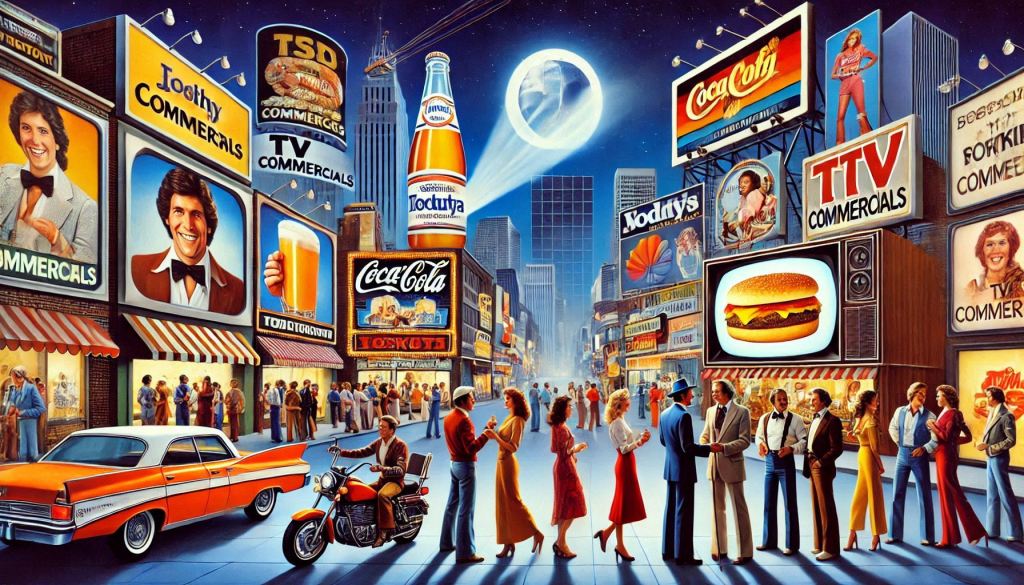
The 1980s marked a transformative era for television advertising, where commercials became more than just interruptions between TV shows. They evolved into cultural phenomena, shaping the way people perceived brands, products, and even societal values. This decade saw the rise of iconic jingles, groundbreaking visuals, and unforgettable slogans that continue to evoke nostalgia. At the same time, the 1980s were defined by economic growth, rapid technological advancements, and a burgeoning consumer culture, all of which fueled the evolution of TV advertising into an art form. Commercials were no longer just tools for selling products; they became vehicles for storytelling, lifestyle promotion, and emotional engagement. To understand the depth of this evolution, we must examine the various forces at play during the decade, from technological breakthroughs to the emergence of new advertising platforms and the cultural zeitgeist that shaped consumer behavior.
In the early 1980s, the television landscape was undergoing significant changes. Cable TV was expanding, offering more channels and greater programming variety than ever before. Networks like CNN, ESPN, and MTV were born, creating new opportunities for advertisers to reach highly targeted audiences. The rise of cable also introduced the concept of 24-hour programming, which meant more airtime to fill and, consequently, more slots for commercials. This increased competition pushed advertisers to create more compelling and memorable content to stand out. The advent of the VCR further complicated matters for advertisers. For the first time, viewers could record their favorite shows and skip commercials, a revolutionary capability that forced marketers to rethink their strategies. To combat this, advertisers began focusing on making their ads so engaging that viewers would want to watch them voluntarily, even rewinding to see them again.
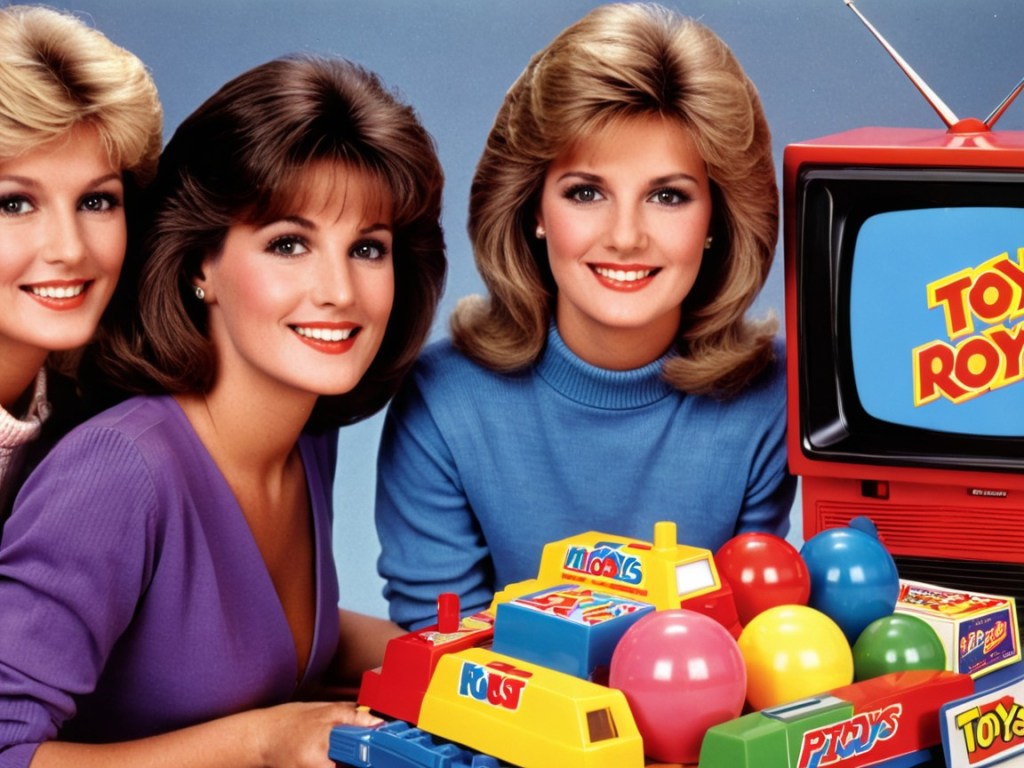
One of the most enduring elements of 1980s TV commercials was the jingle. Catchy, repetitive, and often simplistic, jingles were designed to stick in the minds of consumers long after the ad had ended. Companies like McDonald’s, Coca-Cola, and Oscar Mayer perfected the art of the jingle, embedding their brands into the cultural fabric. For instance, the Oscar Mayer jingle, “My bologna has a first name, it’s O-S-C-A-R,” became so popular that it was sung in playgrounds and homes across America. These musical hooks were more than just advertising tools; they were cultural touchstones that reflected the era’s optimism and creativity. Jingles also served as a way to target younger audiences, knowing that children were powerful influencers in household purchasing decisions. Ads for products like cereals, toys, and fast food were often accompanied by upbeat tunes that appealed directly to kids, creating lifelong brand loyalty.
The 1980s also saw a surge in the use of celebrity endorsements, which became a cornerstone of advertising strategies. Companies recognized the power of associating their products with well-known figures, leveraging their fame to lend credibility and desirability to their brands. Michael Jackson’s partnership with Pepsi is one of the most iconic examples of this trend. The “Pepsi Generation” campaign featured Jackson’s music and dance moves, effectively blending entertainment and advertising into a seamless experience. This campaign not only boosted Pepsi’s sales but also solidified the idea that commercials could be as engaging as the TV shows they interrupted. Celebrities from various fields, including sports, movies, and even fictional characters, became integral to advertising campaigns. Arnold Schwarzenegger endorsed bodybuilding supplements, while fictional figures like Mr. T appeared in ads for products ranging from cereal to action figures. These endorsements turned commercials into mini-events, making them as eagerly anticipated as the programs they accompanied.
Technological advancements in the 1980s played a pivotal role in shaping the look and feel of TV commercials. The introduction of computer-generated imagery (CGI) allowed advertisers to create visuals that were previously unimaginable. Apple’s 1984 Super Bowl ad, directed by Ridley Scott, is a prime example of how technology and storytelling combined to produce groundbreaking content. This commercial, which introduced the Macintosh computer, used dystopian imagery and a cinematic approach to create a lasting impression. It wasn’t just selling a product; it was selling a vision of the future. The use of high-quality video production and special effects became increasingly common, elevating the aesthetic standards of commercials. Coca-Cola’s “Mean Joe Greene” ad, which gained massive popularity in the early 80s, showcased heartwarming storytelling with a level of production quality that rivaled Hollywood films.
The launch of MTV in 1981 revolutionized the advertising industry by introducing a platform where commercials could adopt the stylistic elements of music videos. This blurred the line between entertainment and advertising, creating opportunities for brands to connect with younger audiences in innovative ways. Pepsi was one of the first major brands to capitalize on this trend, producing ads featuring pop stars like Madonna and Michael Jackson. These commercials weren’t just about selling soda; they were about aligning the brand with the coolest trends and the hottest music of the time. MTV’s influence extended beyond the ads themselves, as it inspired advertisers to experiment with pacing, visuals, and storytelling techniques that resonated with the youth culture of the 1980s.
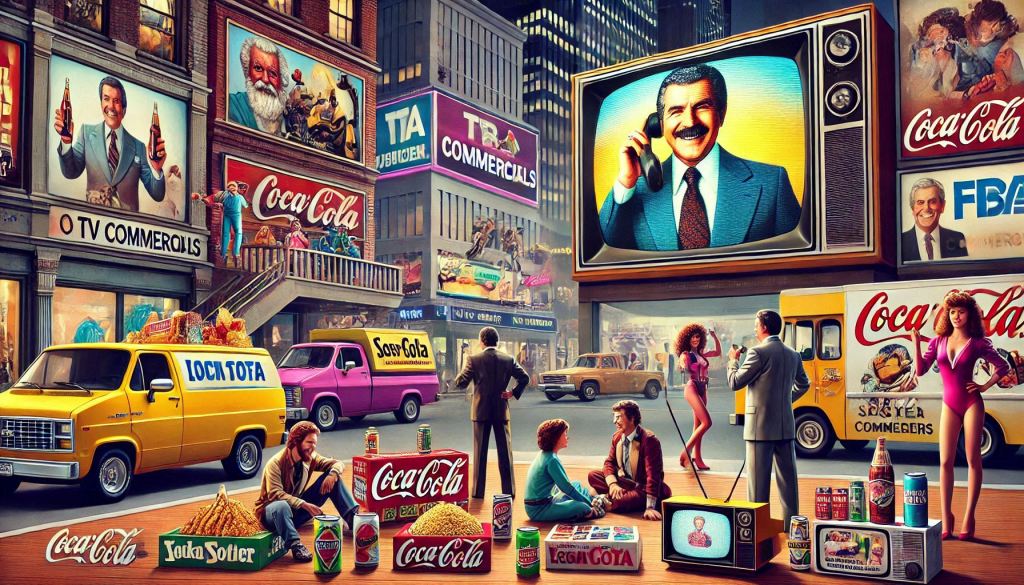
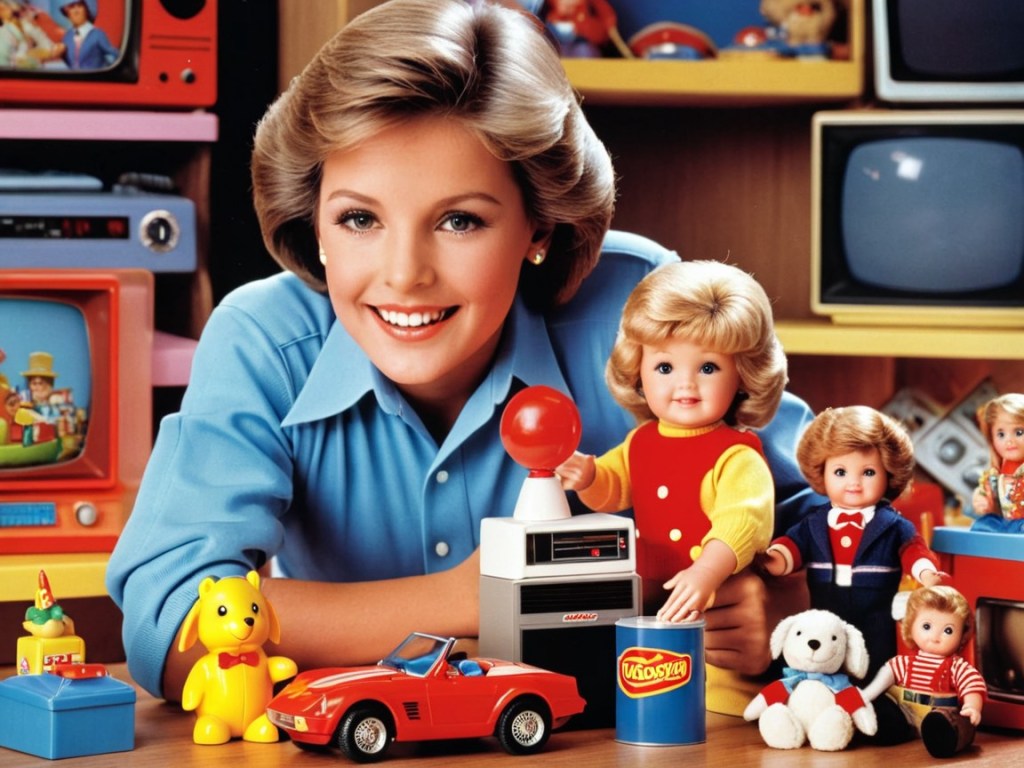
The 1980s were also a golden era for toy advertising, driven in part by the deregulation of children’s programming. This allowed for the creation of shows like *Transformers*, *G.I. Joe*, and *He-Man*, which were essentially long-form commercials for the toys they promoted. These programs blurred the lines between content and advertising, creating immersive worlds that captured the imaginations of children. The commercials for these toys often featured elaborate animations and storytelling elements that made the products irresistible. Lines like “Batteries not included” and “Each sold separately” became iconic phrases that underscored the era’s consumerist ethos. Toy ads weren’t just about the products; they were about the adventures and possibilities that came with them, making them some of the most memorable commercials of the decade.
Slogans played a crucial role in the advertising landscape of the 1980s, providing brands with a simple and memorable way to communicate their message. Phrases like “Just Do It” from Nike, “Where’s the Beef?” from Wendy’s, and “I’m a Toys ‘R’ Us Kid” became cultural touchstones. These slogans resonated because they were concise, relatable, and often humorous, making them easy to remember and repeat. “Where’s the Beef?” even transcended its original context, entering political discourse and everyday conversations as a way to question substance or authenticity. The power of these slogans lay in their ability to encapsulate a brand’s identity in just a few words, ensuring that they remained in the minds of consumers long after the ad had ended.
Humor was another dominant tool in 1980s commercials, helping brands stand out in a crowded media landscape. Ads often featured absurd scenarios, quirky characters, and talking animals to capture viewers’ attention. Budweiser’s frogs and the California Raisins, animated clay figures singing Motown hits, are prime examples of how humor and creativity could turn commercials into cultural phenomena. These ads didn’t just sell products; they created characters and narratives that became part of the cultural lexicon. The use of humor made commercials more enjoyable to watch, increasing the likelihood that viewers would remember the brand and share their favorite ads with friends and family.
Not all 1980s commercials were lighthearted, however. Some tackled serious societal issues, using their platform to raise awareness and promote change. Public service announcements (PSAs) like “This is your brain on drugs” used shocking imagery to combat drug abuse, while campaigns against drunk driving employed emotional storytelling to highlight the devastating consequences of impaired driving. These ads demonstrated the power of television as a medium for social commentary, proving that commercials could do more than sell products—they could influence behavior and spark conversations.
The legacy of 1980s TV commercials is undeniable. They set the stage for modern advertising by blending storytelling, celebrity culture, and cutting-edge technology to create memorable and impactful content. The jingles, slogans, and visuals from this era continue to evoke nostalgia, reminding us of a time when TV was king, advertising budgets were limitless, and creativity knew no bounds. These commercials weren’t just interruptions in programming; they were experiences that captured the spirit of a generation and left an indelible mark on popular culture. Today, as we look back on the 1980s, it’s clear that the commercials of this decade were more than just marketing tools—they were a reflection of the era’s optimism, innovation, and unrelenting pursuit of the extraordinary.


Leave a Reply