Introduction
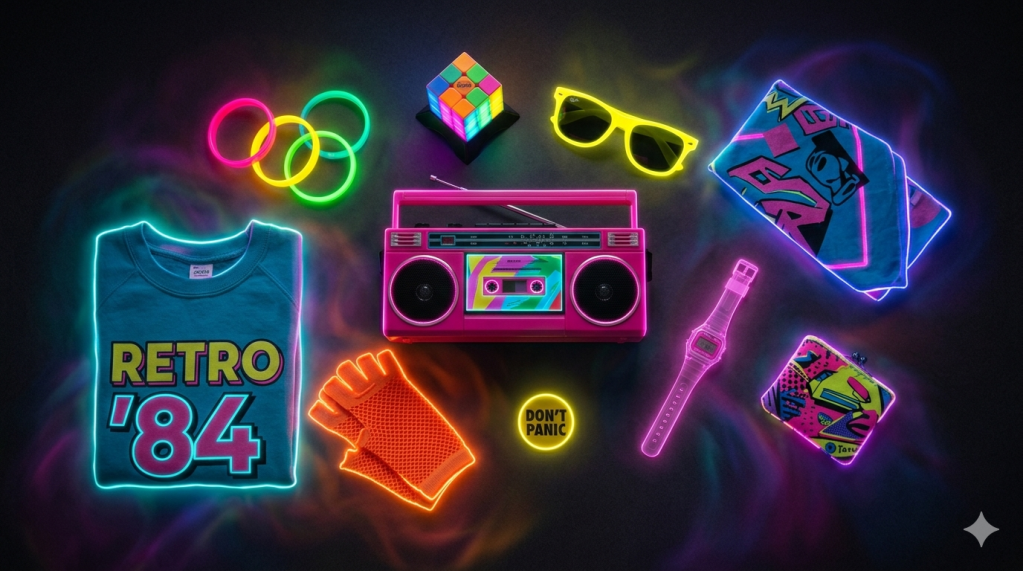
The 1980s was a decade that refused to be subtle. It was loud, energetic, and unapologetically bold—and nowhere was that more evident than in its fashion. Among the many trends that defined the era, nothing stood out quite like neon. Bright pinks, electric greens, blazing oranges, and highlighter yellows dominated clothing racks, dance floors, and television screens. Neon wasn’t just a color choice—it was a statement, a mood, and a reflection of the decade’s larger-than-life personality.
To understand why neon became so popular, it’s important to consider the cultural backdrop of the time. The 1980s were marked by economic shifts, rapid technological advancements, and a growing emphasis on individual expression. People were embracing visibility—whether through bold business ambitions, flashy consumer goods, or eye-catching personal style. Fashion followed suit, moving away from the earthy tones and subdued palettes of the 1970s and into something far more vibrant and attention-grabbing.
Neon colors perfectly captured this shift. They were impossible to ignore. In a world increasingly influenced by television, advertising, and the emerging power of visual media, standing out became more important than ever. Neon clothing practically glowed under bright lights and cameras, making it ideal for a culture that was becoming more image-driven. Whether on stage, in music videos, or at the local shopping mall, neon ensured that the wearer would be seen.
Another key factor behind neon’s rise was its association with energy and movement. These colors were often linked to nightlife, dance culture, and fitness—areas that exploded in popularity during the decade. From aerobics classes to roller rinks, neon became synonymous with activity, excitement, and youth. It conveyed a sense of fun and freedom, aligning perfectly with the optimistic and sometimes excessive spirit of the era.
Neon also blurred traditional boundaries. It appeared in men’s and women’s fashion alike, often in similar styles, contributing to a more fluid and experimental approach to clothing. Layering bright colors, mixing patterns, and combining textures became part of the aesthetic. It wasn’t about matching perfectly—it was about making an impact.
Ultimately, neon fashion in the 1980s was more than just a trend; it was a cultural phenomenon. It reflected the decade’s confidence, its embrace of innovation, and its desire to push limits. As we explore this topic further, we’ll see how neon moved from niche beginnings to mainstream dominance, influencing everything from fitness wear to pop culture—and leaving a legacy that still glows today.
The Origins of Neon Fashion

Neon fashion in the 1980s may feel like it burst onto the scene fully formed, but its roots stretch back much further, blending science, industry, and cultural shifts that gradually brought these electrifying colors into everyday life. What made neon so unique wasn’t just its brightness—it was the way it seemed to glow, creating a visual intensity unlike traditional dyes and fabrics.
The story begins with the development of fluorescent pigments in the early to mid-20th century. These pigments were engineered to absorb ultraviolet light and reflect it as visible color, making them appear far brighter than standard shades. Initially, these high-visibility colors were not used for fashion at all. Instead, they were practical tools, commonly found in safety gear such as construction vests, road signs, and emergency equipment. Their purpose was simple: to be seen instantly, even in low-light or high-risk environments.
By the 1960s and 1970s, these pigments began to make their way into counterculture fashion. Designers and youth movements experimenting with bold, unconventional styles started incorporating brighter and more psychedelic colors into clothing. Neon hues fit naturally into this aesthetic, especially in environments like nightclubs and music festivals where black lights enhanced their glowing effect. While still not mainstream, neon had begun its transition from purely functional to expressive.
The late 1970s played a crucial role in setting the stage for neon’s explosion in the following decade. Disco culture, with its emphasis on nightlife, dancing, and visual spectacle, embraced shimmer, shine, and brightness. Metallic fabrics, sequins, and vivid colors became popular, and neon shades started appearing more frequently in clubwear. Under the intense lighting of dance floors, these colors created a striking visual experience, reinforcing their connection to energy and movement.
At the same time, advancements in textile manufacturing made neon more accessible. Synthetic materials like nylon, polyester, and spandex became widely used, allowing designers to produce garments that held fluorescent dyes more effectively. These fabrics were not only cheaper to produce but also better suited to the bold, form-fitting styles that were becoming popular. This technological shift meant that neon clothing could be mass-produced and sold at affordable prices, paving the way for widespread adoption.
Another important influence came from the growing intersection of fashion and media. As television became more central to everyday life and music videos began to rise in prominence, visually striking colors gained an advantage. Neon translated exceptionally well on screen, appearing vibrant and dynamic even through the limitations of older display technology. Designers and stylists quickly recognized this, using bright palettes to capture attention and create memorable looks.
By the time the 1980s began, all the elements were in place. Neon had evolved from a practical visibility tool into a symbol of creativity, nightlife, and modernity. It was no longer confined to niche scenes—it was ready for mainstream fashion. As cultural trends shifted toward bold self-expression and high-energy lifestyles, neon didn’t just fit in—it stood out, perfectly aligned with the spirit of the decade.
Why Neon Took Over the 1980s
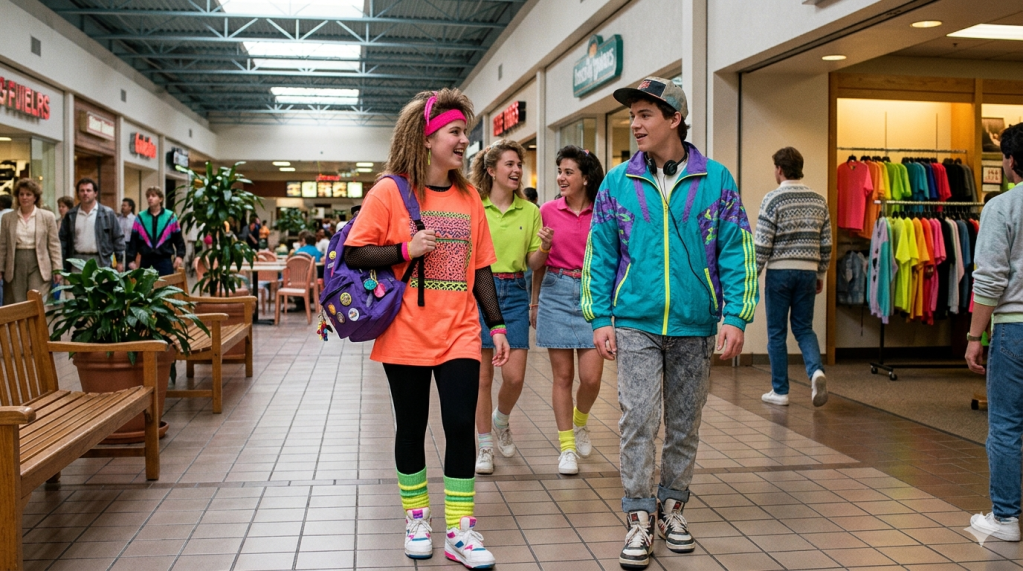
By the time the 1980s were in full swing, neon was no longer a niche or experimental trend—it had become a defining feature of the decade. Its rapid rise to dominance wasn’t accidental. A combination of cultural, economic, and technological factors created the perfect environment for neon to thrive, turning it into one of the most recognizable fashion statements of the era.
At its core, the popularity of neon reflected the broader mindset of the 1980s. This was a decade characterized by excess, ambition, and visibility. People weren’t just content with blending in—they wanted to stand out. Whether in business, entertainment, or personal style, there was a strong emphasis on making bold impressions. Neon colors, with their intense brightness and eye-catching appeal, fit this mentality perfectly. Wearing neon wasn’t subtle—it was a declaration.
The rise of consumer culture also played a major role. The 1980s saw a boom in advertising, branding, and mass media, all competing for attention in increasingly crowded spaces. Bright, high-impact visuals became essential, and neon delivered exactly that. Clothing brands embraced these colors because they were instantly noticeable on store racks and in advertisements. In a retail environment where grabbing the customer’s eye was everything, neon gave companies a powerful advantage.
Television and visual media further accelerated the trend. As more households gained access to cable TV and music programming expanded, fashion became more influenced by what people saw on screen. Bright colors translated well on television, especially given the limitations of older display technologies, which often dulled more subtle tones. Neon, however, remained vivid and striking, making it ideal for an increasingly screen-focused culture. The more people saw it, the more they wanted to wear it.
Another key factor was the growing association between neon and energy. The 1980s were a fast-paced decade, with an increasing focus on activity, productivity, and lifestyle trends centered around movement. Neon became visually linked to this sense of motion and excitement. It wasn’t just a color choice—it suggested action, youth, and vitality. Whether in fitness, dance, or nightlife, neon reinforced the idea of being dynamic and engaged.
Social environments also contributed to its widespread appeal. Places like shopping malls, arcades, roller rinks, and clubs became central gathering spots, especially for younger generations. These spaces often featured bright lighting, bold designs, and vibrant atmospheres where neon clothing naturally fit in. In these settings, wearing neon wasn’t just fashionable—it was part of the experience. It helped individuals feel like they belonged to the energy of the moment.
Neon also benefited from its versatility. It could be worn in full outfits for maximum impact or used as accents to add a pop of color. People mixed and matched shades, layered pieces, and experimented with combinations that would have been considered excessive in previous decades. The lack of strict rules made the trend accessible to a wide audience, from teenagers to adults looking to embrace a more playful style.
Ultimately, neon took over the 1980s because it embodied everything the decade stood for: boldness, visibility, energy, and a willingness to push boundaries. It wasn’t just popular—it was symbolic. In a time when standing out mattered more than ever, neon didn’t just follow the trend; it became the trend.
Key Neon Fashion Pieces
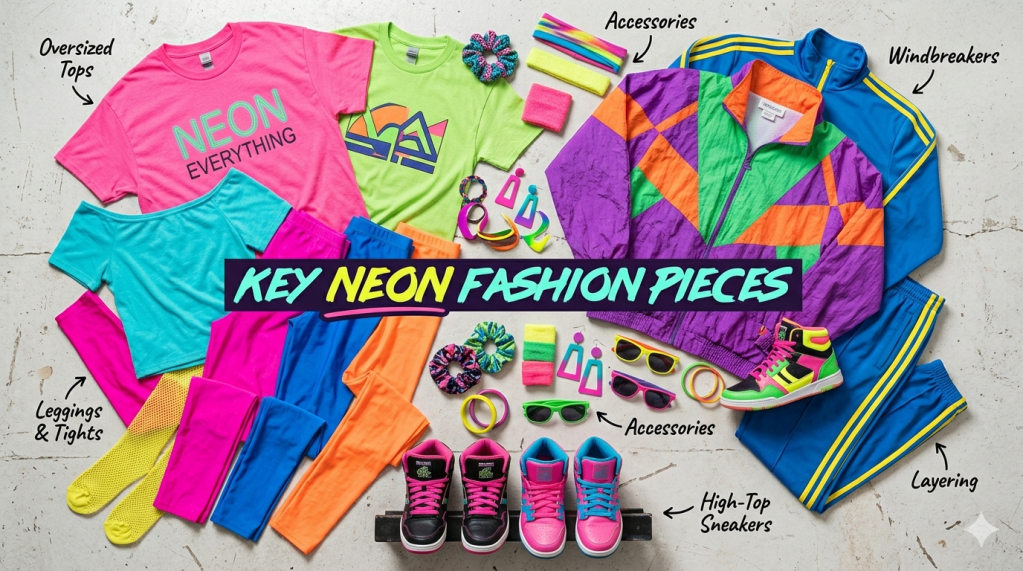
Neon fashion in the 1980s wasn’t limited to a single item or style—it was a full-spectrum takeover that touched nearly every part of a wardrobe. From everyday casual wear to workout gear and accessories, neon colors appeared in countless forms, often layered together to create bold, unforgettable looks. Certain pieces, however, became especially iconic and helped define the visual identity of the trend.
One of the most recognizable neon staples was the brightly colored T-shirt or oversized top. These were often worn loose, sometimes off one shoulder, and paired with equally vibrant bottoms. Graphic prints, bold patterns, and large logos were common, adding even more visual intensity. The combination of neon colors and exaggerated fits gave outfits a relaxed yet expressive feel, perfect for the decade’s emphasis on individuality.
Leggings and tights were another essential component of neon fashion. Frequently made from stretchy materials like spandex or Lycra, they were both comfortable and form-fitting. Neon leggings—especially in shades like hot pink, lime green, and electric blue—were often worn on their own or layered under skirts, shorts, or oversized tops. This layering approach allowed wearers to mix multiple neon hues in a single outfit, amplifying the overall effect.
Windbreakers and tracksuits also played a major role, particularly as athletic wear crossed over into everyday fashion. These lightweight jackets and matching sets were often made from shiny synthetic materials and featured bold color blocking, with multiple neon shades combined in geometric patterns. The crinkly texture of the fabric, paired with the bright colors, made these pieces both visually and audibly distinctive—instantly recognizable in any setting.
Accessories were where neon truly flourished. Items like scrunchies, headbands, and sweatbands became essential finishing touches, especially as fitness culture grew in popularity. These accessories were often worn not just for function but as key style elements, adding pops of color to complete a look. Neon sunglasses with tinted lenses and brightly colored frames also became popular, reinforcing the playful, almost futuristic aesthetic of the time.
Footwear followed suit, with sneakers incorporating neon accents or fully embracing bright color schemes. High-top athletic shoes, in particular, became a canvas for bold designs, often featuring contrasting laces, panels, and logos. These shoes were not just practical—they were statement pieces that tied an entire outfit together.
Layering was a defining feature across all these items. It was common to see multiple neon pieces worn at once—leggings under shorts, a tank top beneath an oversized shirt, all topped with a brightly colored jacket. The goal wasn’t restraint; it was impact. Mixing colors that clashed by traditional standards was not only accepted but encouraged.
Ultimately, the key neon fashion pieces of the 1980s shared a common purpose: to stand out. Whether through clothing, accessories, or footwear, each item contributed to a larger visual statement that celebrated boldness and creativity. Together, they formed a style that was instantly recognizable and impossible to ignore—perfectly capturing the spirit of the decade.
The Role of Fitness and Aerobics
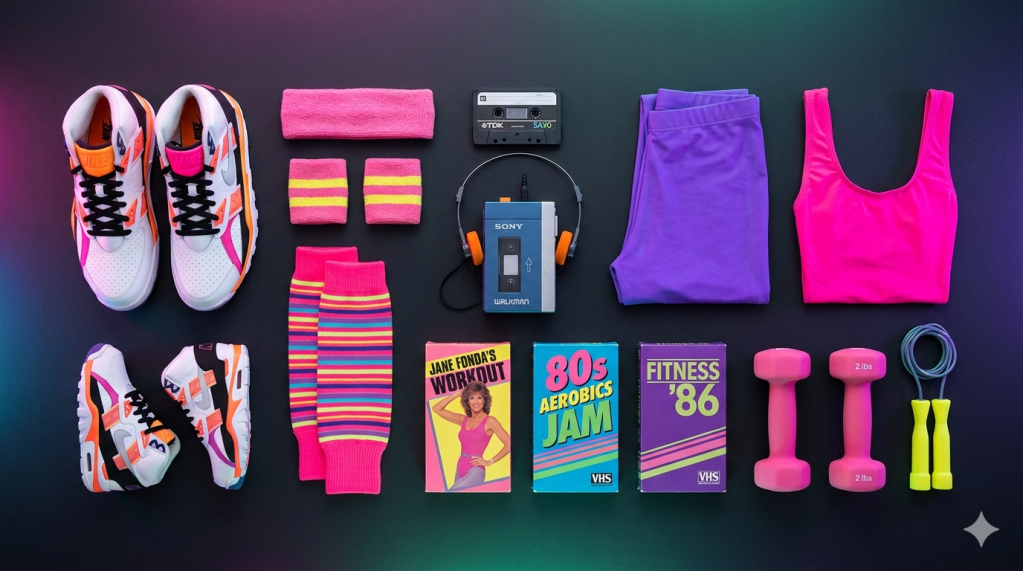
One of the most powerful forces behind the rise of neon fashion in the 1980s was the explosion of fitness and aerobics culture. What had once been a niche interest transformed into a full-scale lifestyle movement, influencing not just health habits but also fashion, media, and everyday identity. Neon colors became inseparable from this trend, helping define the look and energy of the decade.
The 1980s marked a turning point in how people approached exercise. Fitness was no longer just about health—it became a social activity, a form of self-expression, and even a status symbol. Aerobics classes, in particular, surged in popularity, drawing large groups into studios filled with music, mirrors, and high-energy routines. These classes weren’t quiet or subdued—they were vibrant, fast-paced, and visually dynamic environments where bold clothing naturally fit in.
Neon played a central role in this transformation. Bright, high-visibility colors were perfectly suited to the upbeat atmosphere of aerobics. Under strong indoor lighting, neon outfits appeared almost luminous, enhancing the sense of movement and excitement. Participants weren’t just working out—they were performing, and their clothing became part of that performance.
The design of fitness apparel also contributed to the rise of neon. Materials like spandex and Lycra allowed for tight-fitting, flexible garments that moved with the body. These fabrics absorbed and displayed fluorescent dyes exceptionally well, making neon shades even more striking. Leotards, leggings, and unitards in bold colors became standard gym wear, often paired with leg warmers, headbands, and wristbands to complete the look.
At-home fitness further expanded neon’s reach. Workout programs delivered through videotapes brought aerobics into living rooms, making the trend accessible to millions. In these recordings, instructors wore bright, coordinated outfits that emphasized movement and visibility on screen. Neon wasn’t just practical—it was essential for capturing attention and maintaining energy through a television format. As viewers followed along, they often adopted similar styles, reinforcing the trend beyond the gym.
Fitness culture also blurred the line between athletic wear and everyday fashion. It became increasingly common for people to wear their workout clothes outside the gym—running errands, meeting friends, or simply relaxing. Neon leggings, sweatshirts, and sneakers transitioned seamlessly into casual wear, helping normalize the look in daily life. This crossover significantly expanded neon’s influence, turning it from a specialized style into a mainstream one.
Another important aspect was the association between neon and vitality. Bright colors conveyed a sense of health, youth, and activity. Wearing neon suggested that you were energetic, engaged, and part of a modern lifestyle. It aligned perfectly with the decade’s emphasis on self-improvement and personal image, where looking active was almost as important as being active.
In many ways, fitness culture didn’t just adopt neon—it amplified it. The movement provided a highly visible platform where bold colors could thrive and spread rapidly. As aerobics and active lifestyles became central to 1980s identity, neon became their visual signature, cementing its place as one of the most iconic elements of the era.
Music, TV, and Celebrity Influence
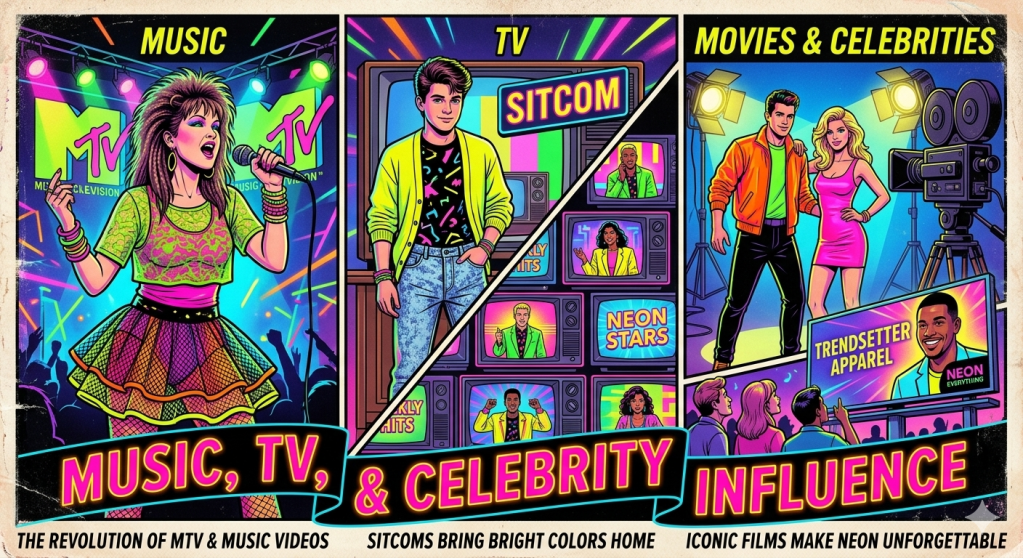
Neon fashion didn’t exist in a vacuum—it was propelled into the mainstream by the twin engines of media and celebrity culture. In the 1980s, television, music, and film were more influential than ever in shaping what people wore, and neon’s eye-catching appeal made it a natural fit for the era’s visual-heavy entertainment landscape. Musicians, actors, and television personalities became walking advertisements for bright colors, turning neon into a cultural phenomenon.
Music was one of the most significant drivers. The 1980s saw the rise of MTV, which revolutionized how fans consumed music. Music videos emphasized visual impact just as much as sound, and neon clothing translated brilliantly on camera. Pop icons like Madonna, Cyndi Lauper, and Prince embraced bold, fluorescent colors in their performances and videos, making neon synonymous with youth, rebellion, and energy. These artists weren’t just following trends—they were creating them. Fans rushed to emulate their favorite stars, purchasing neon clothing, accessories, and even makeup to capture that same vibrant persona.
Television also played a major role in popularizing neon. Sitcoms, variety shows, and teen-focused programs frequently featured characters in bright, bold outfits. Shows such as Fame, Knight Rider, and Saved by the Bell (though early 90s, its roots were 80s fashion) showcased neon as a normal part of everyday attire, reinforcing the idea that wearing these colors was fun, stylish, and culturally relevant. Even background extras in high-energy scenes often wore neon, subtly cementing it in viewers’ minds as a contemporary style.
Movies contributed as well. Iconic 1980s films, particularly teen comedies and action movies, often used costume design to amplify personality traits, energy, and cultural relevance. Neon-clad characters stood out, whether on the dance floor, at a roller rink, or walking down a bustling street. Costumes weren’t just functional—they were storytelling devices, and neon made sure those stories were visually unforgettable.
Celebrities outside of music and film also influenced neon’s reach. Athletes, TV hosts, and fashion models embraced fluorescent colors in public appearances, commercials, and advertisements. Neon became associated with being trendy, fashionable, and “in the know,” giving it aspirational power. Brands quickly recognized this, collaborating with stars to showcase neon clothing, sneakers, and accessories in ads, further cementing its mainstream appeal.
Advertising itself amplified neon’s popularity. Print ads, billboards, and product packaging increasingly used fluorescent colors to attract attention. Neon clothing, therefore, didn’t just appear in the media—it was part of it. The visual synergy between neon outfits in media and neon in marketing created a feedback loop: audiences saw neon everywhere, wanted to emulate it, and contributed to its cultural dominance.
Ultimately, music, TV, and celebrities were not just passive participants in the neon trend—they were active drivers. By featuring fluorescent clothing in high-visibility contexts, they made neon aspirational, energetic, and culturally indispensable. Through these channels, neon moved from subculture to mainstream, becoming a defining aesthetic of the decade and a symbol of the 1980s’ larger-than-life personality.
Neon in Everyday Life
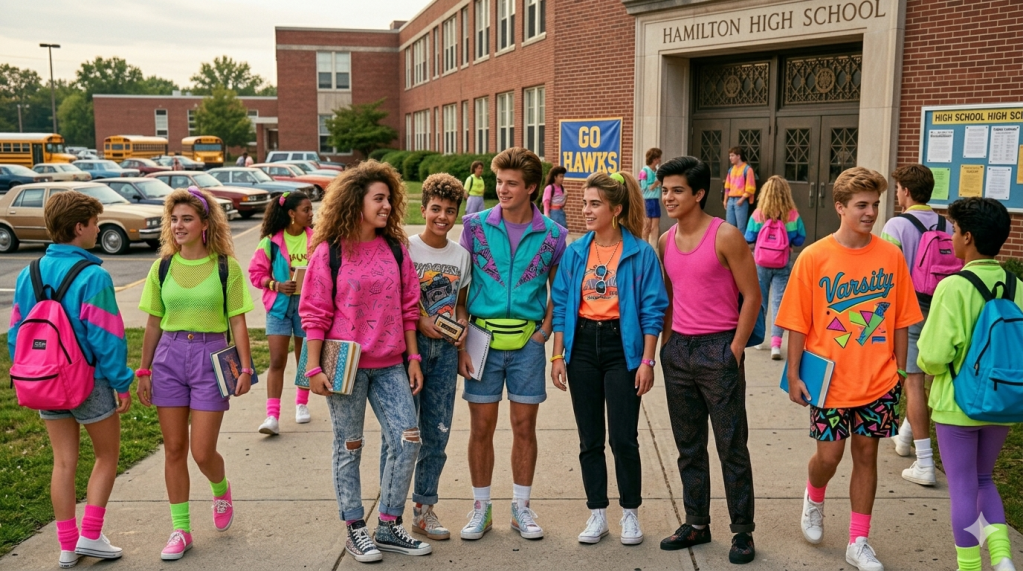
Neon fashion in the 1980s wasn’t confined to the runway, music videos, or aerobics studios—it seeped into the daily lives of millions, transforming ordinary spaces into arenas of color and energy. From schoolyards to shopping malls, arcades to city streets, neon became a part of the visual fabric of everyday existence, turning the mundane into something vividly expressive.
For teenagers, neon was a language of identity and self-expression. Schools became one of the most visible stages for the trend, where bright leggings, oversized T-shirts, and colorful sneakers dominated hallways. Wearing neon wasn’t just about following fashion—it was about signaling energy, confidence, and belonging. Students often layered colors, experimented with patterns, and paired unexpected combinations, creating personal styles that reflected the playful and rebellious spirit of youth in the 1980s.
Malls and shopping centers, which were cultural hubs for teenagers and young adults, were another critical arena for neon’s ubiquity. Stores stocked racks full of fluorescent clothing, accessories, and footwear, often displayed under bright lighting to accentuate the glow. Neon outfits stood out among shoppers, serving as both fashion statements and social markers. The trend’s saturation in these retail spaces reinforced its popularity and encouraged constant experimentation with new neon pieces.
Arcades and roller rinks further showcased neon in motion. These recreational spaces were already vibrant with colored lights and electronic sounds, making neon clothing particularly striking. Teens and young adults embraced neon not only as a fashion choice but as a way to be part of the energetic, interactive atmosphere. Bright outfits moved dynamically under black lights and neon signage, visually amplifying the experience of play, music, and social interaction.
Neon also permeated family-oriented and community spaces. Weekend outings, sports events, and casual gatherings frequently featured neon clothing, reflecting its crossover from youth subculture to broader social acceptance. Parents and children alike adopted bright colors, sometimes mixing them with more traditional styles, demonstrating neon’s versatility and appeal across age groups.
Even professional and semi-formal environments weren’t entirely immune. While neon rarely appeared in traditional office attire, the rise of casual Fridays, creative industries, and marketing sectors allowed fluorescent accessories and subtle accents to make their way into adult wardrobes. A neon scarf, belt, or pair of shoes became a way to express individuality without defying workplace norms entirely.
Daily life in the 1980s was increasingly media-saturated, and neon became a bridge between personal expression and cultural visibility. Whether walking down a city street, attending a local concert, or simply hanging out with friends, wearing neon was a way to participate in the era’s visual language. It signaled engagement, energy, and style, turning ordinary routines into opportunities to stand out.
In short, neon wasn’t limited to special occasions or performance spaces—it was a constant presence in the everyday experiences of 1980s life. By infiltrating schools, malls, arcades, and streets, neon transformed public spaces into colorful stages, making fashion an active, visible, and dynamic part of daily culture. Its omnipresence helped cement its status as a defining hallmark of the decade.
Neon and Gender Expression
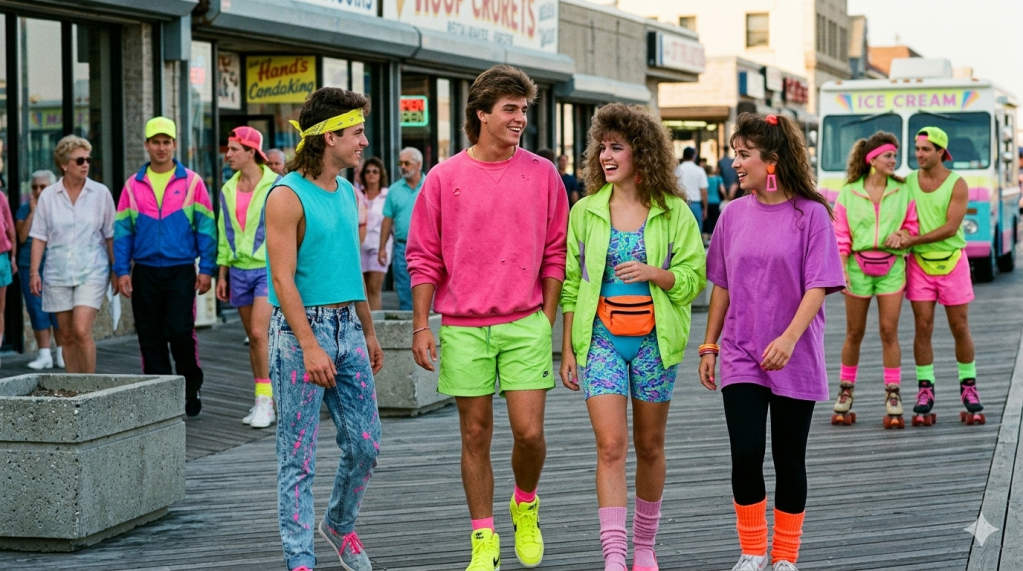
Neon fashion in the 1980s wasn’t just a visual statement—it also played a significant role in reshaping ideas about gender and self-expression. The bright, bold colors of the decade transcended traditional norms, offering new ways for individuals to experiment with identity and challenge expectations about what men and women “should” wear.
Historically, clothing and color choices were heavily coded by gender. In earlier decades, bright colors were often associated with women and subdued tones with men. The 1980s, however, disrupted these conventions, and neon became a key part of that cultural shift. Fluorescent hues appeared across men’s and women’s wardrobes alike, often in the same styles—T-shirts, sweatshirts, leggings, windbreakers, and accessories—blurring the line between traditionally “masculine” and “feminine” clothing. Neon allowed individuals to play with color in ways that were previously considered unconventional, creating a more fluid fashion landscape.
Music and celebrity culture reinforced this trend. Male pop stars such as Prince, Boy George, and Michael Jackson frequently wore bright, eye-catching colors, challenging the idea that neon was “feminine.” At the same time, female performers like Madonna, Cyndi Lauper, and Debbie Harry embraced neon to convey boldness and independence, not just flirtation or femininity. Fans of all genders imitated these styles, showing that neon could be a tool for self-expression rather than a strict marker of gender.
Neon also found its place in fitness and streetwear, where function met flair. Leggings, unitards, and windbreakers in fluorescent colors were worn by both men and women during aerobics classes, dance sessions, and casual outings. The association with energy, movement, and performance helped shift perception: wearing neon wasn’t about gender—it was about vitality, confidence, and visibility. In these contexts, the clothes became a shared language of expression accessible to anyone willing to embrace it.
Teen culture in particular embraced neon as a way to explore identity. Bright colors gave young people a playful, rebellious edge, allowing them to experiment with looks that might not fit traditional gender expectations. Boys could wear hot pink or lime green sweatshirts without stigma, while girls could don oversized neon jackets or sneakers in electric blues or yellows. Neon provided a safe and socially acceptable way to test boundaries, fostering creativity and individuality.
The media amplified this trend. Television shows, movies, and music videos presented neon-clad men and women confidently wearing the same colors, sending a clear message that fashion didn’t have to conform to strict gender norms. This visibility helped normalize the idea that color was a form of personal expression, not a rigid social code.
In many ways, neon helped democratize fashion. Its boldness encouraged everyone to experiment, making it less about adhering to societal expectations and more about embracing personality, mood, and energy. By challenging traditional ideas of masculinity and femininity, neon contributed to a broader cultural conversation about self-expression, identity, and the freedom to be seen.
Ultimately, neon in the 1980s was more than just a bright color trend—it was a tool for redefining gender boundaries in fashion. It empowered individuals of all genders to break conventions, experiment freely, and use clothing as a statement of identity. In doing so, neon became not only a visual hallmark of the decade but also a subtle but powerful agent of cultural change.
Criticism and Backlash
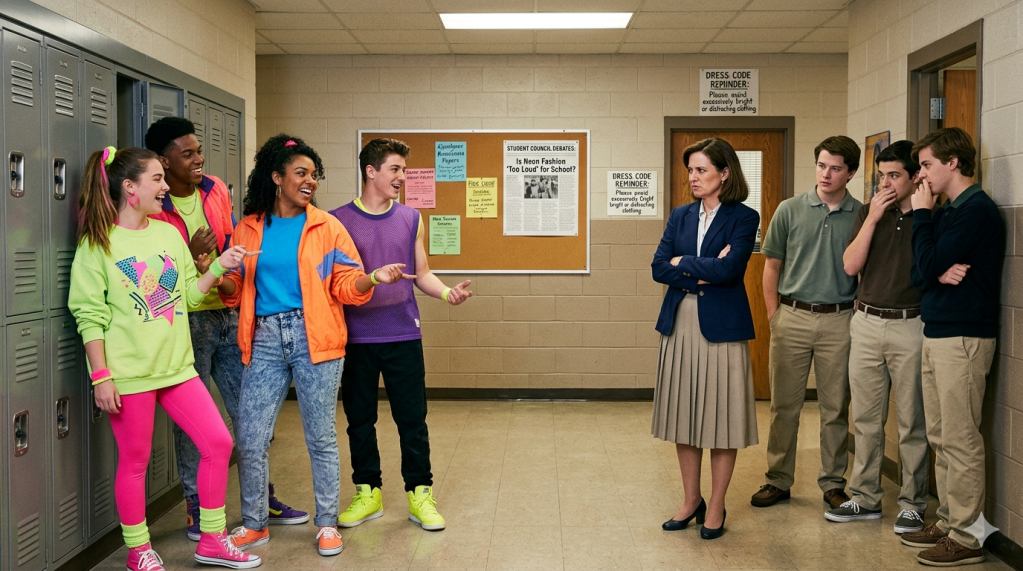
While neon fashion dominated the 1980s and became synonymous with the decade’s vibrant, high-energy aesthetic, it was far from universally loved. The trend, with its extreme brightness and eye-catching designs, provoked criticism and even outright backlash from certain segments of society. Some dismissed neon as garish, excessive, or emblematic of a culture that prioritized appearance over substance. Understanding the critiques of neon provides insight not just into fashion, but into the social tensions and cultural debates of the era.
One of the primary criticisms centered on visual overload. Neon colors, by design, are intense and attention-grabbing, and when worn in combination—bright leggings under oversized tops with fluorescent jackets and accessories—the result could be overwhelming. Detractors argued that the trend encouraged a kind of fashion “loudness” that was too aggressive, especially in schools, workplaces, or public spaces. Critics often described neon as “clashing,” “unrefined,” or even “tacky,” viewing it as an example of style gone overboard.
Beyond aesthetics, some cultural commentators linked neon to the excesses of the decade itself. The 1980s were known for consumerism, flashy lifestyles, and a fascination with wealth and appearance. Neon, in its extreme brightness and omnipresence, was sometimes interpreted as a visual manifestation of this superficiality. Fashion purists and older generations often saw it as emblematic of a youth culture that prioritized visibility over subtlety, and self-expression over traditional standards of taste.
Neon also faced practical criticism. Bright fluorescent clothing was notoriously difficult to match or integrate with more neutral wardrobe staples. Some argued that the colors were impractical for everyday life, especially in professional settings, where the trend’s vividness clashed with conventional expectations of dress. Additionally, fluorescent dyes sometimes faded unevenly or bled during washing, creating challenges for maintenance and durability.
Schools and parents were frequently at the forefront of the backlash. Many educators worried that neon outfits distracted students and created a sense of competition around appearance. Some schools attempted to impose dress codes limiting extremely bright colors, reflecting broader concerns about conformity, decorum, and the potential for fashion to overshadow academic or social priorities.
Fashion critics, too, were split. While some celebrated neon for its boldness and energy, others dismissed it as a fad destined to fade. Magazines and style guides occasionally published cautionary pieces, warning readers against overuse of fluorescent colors or predicting that neon would soon become passé. The ephemeral nature of the trend—like many fads—made it a target for skepticism and satire.
Despite these criticisms, neon persisted through much of the decade, fueled by celebrity influence, media exposure, and youth culture. The backlash, in some ways, only amplified its appeal: rebelliousness, individuality, and the desire to challenge traditional norms became part of the neon narrative. By embracing what some considered “too much,” wearers reinforced the very aspects that made neon fashionable and culturally significant.
In the end, the criticism and backlash against neon highlight the tension between innovation and convention, boldness and taste. While neon was sometimes ridiculed, it also embodied a spirit of freedom, fun, and visibility that defined the 1980s. Its controversies didn’t diminish its impact—they underscored just how daring and transformative the trend truly was.
The Fade-Out of Neon
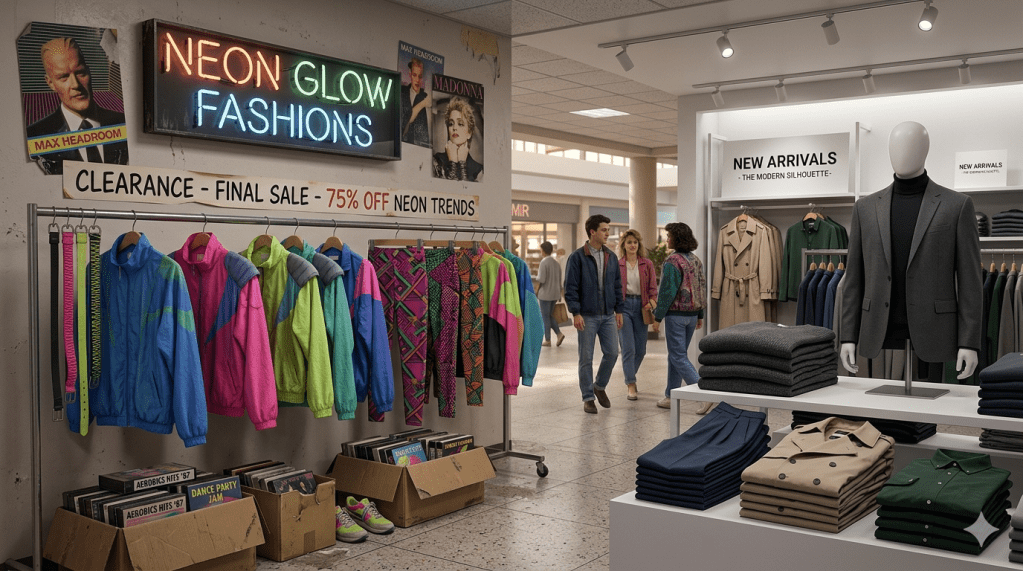
By the late 1980s, neon had reached the peak of its cultural saturation. From clothing and accessories to media, advertising, and entertainment, fluorescent colors had become impossible to ignore. Yet, as quickly as neon rose to dominance, signs of fatigue began to appear. The trend, once celebrated for its energy and boldness, started to wane, giving way to new aesthetics and signaling the natural life cycle of a fashion phenomenon.
One major factor in neon’s decline was oversaturation. By the mid-to-late 1980s, virtually every aspect of youth culture featured fluorescent colors—schools, malls, arcades, gyms, and even mainstream workplaces had been invaded by neon in some form. The ubiquity that once made neon exciting gradually made it feel predictable and excessive. When everyone was wearing bright pink leggings, lime green windbreakers, or hot orange sneakers, the novelty wore off, and what had once been daring became routine.
Cultural shifts also contributed to the fade-out. As the decade progressed, tastes began to favor more subdued, minimalist, and polished styles. The late 1980s and early 1990s saw the emergence of preppy fashion, muted earth tones, and simpler silhouettes. Neon, with its association with loudness, youth rebellion, and excess, clashed with the growing appetite for restraint and sophistication. Fashion magazines and critics increasingly highlighted “clean” looks over fluorescent experimentation, signaling a pivot in consumer expectations.
Economic factors played a subtle role as well. The neon craze had been fueled in part by mass-produced synthetic fabrics and inexpensive dyes, which allowed for bold experimentation. As manufacturing and production trends evolved, new textiles and patterns became more fashionable, offering alternatives to the glaring brightness of neon. Consumers seeking freshness and novelty began exploring new colors, textures, and styles, leaving neon behind.
Another key factor was media evolution. While MTV and television had propelled neon into prominence earlier in the decade, by the late 1980s, pop culture had begun exploring different visual identities. Music videos, movies, and advertisements shifted toward more sophisticated aesthetics, and icons of the new era embraced subtler color palettes. Neon no longer held the same novelty or aspirational value it once did.
Neon did not disappear overnight. Even as mainstream fashion moved on, neon lingered in niche markets such as fitness apparel, rave culture, and retro-inspired pieces. It remained a tool for statement-making and visibility, especially among subcultures that celebrated bold, expressive style. However, for the broader public, neon had largely ceded its dominance, leaving behind a cultural memory of a decade defined by its intensity and flamboyance.
The fade-out of neon illustrates a natural pattern in fashion cycles: what is extreme and ubiquitous eventually becomes ordinary, paving the way for the next wave of trends. In the case of neon, its decline did not diminish its legacy. Instead, it cemented the 1980s as a period where boldness, color, and visual energy reigned supreme—a decade where standing out was celebrated, and fluorescent fashion became an enduring symbol of style, vitality, and cultural audacity.
Neon’s Legacy Today
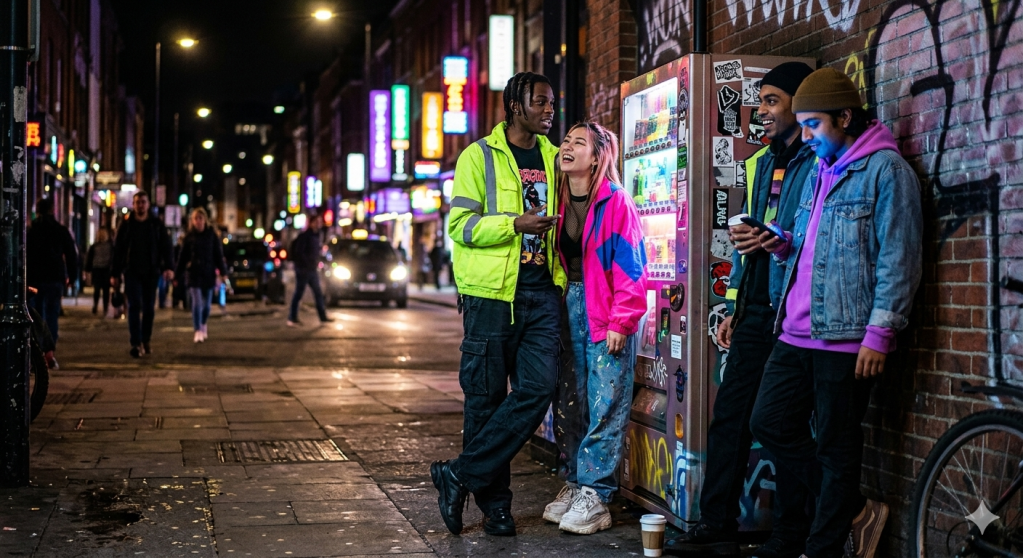
Even decades after its peak, neon remains one of the most recognizable symbols of 1980s fashion and culture. While the trend faded from mainstream dominance by the early 1990s, its influence continues to ripple through contemporary style, entertainment, and design. Neon’s legacy is multifaceted, spanning nostalgia, reinvention, and the ongoing appeal of bold self-expression.
One of the most visible aspects of neon’s legacy is its recurring presence in fashion revivals. Designers frequently draw inspiration from the 1980s, bringing fluorescent colors back onto runways, in streetwear collections, and in seasonal trends. From high-fashion brands to mainstream retailers, neon has resurfaced as a statement tool, often paired with modern silhouettes, layered textures, or minimalist pieces for a contemporary twist. This cyclical revival demonstrates how neon’s visual impact remains powerful, capable of evoking energy, excitement, and attention decades later.
Pop culture continues to celebrate neon as well. Movies, television shows, and music videos set in or inspired by the 1980s frequently incorporate fluorescent colors to evoke the era’s distinctive aesthetic. Video games, graphic design, and social media content similarly utilize neon to capture nostalgia or convey high-energy visuals. In many ways, neon has become shorthand for a certain playful, youthful, and exuberant vibe that instantly signals “the 80s” to audiences worldwide.
Neon’s influence extends beyond fashion and media into lifestyle and design. Interior décor, signage, and branding often employ fluorescent colors to attract attention and create vibrant atmospheres. Restaurants, clubs, and retail spaces use neon lighting and accents as both a nostalgic nod to the past and a contemporary design choice. Its effectiveness lies in its psychological impact: neon draws the eye, stimulates energy, and creates a memorable impression.
The trend also left a lasting mark on self-expression and individuality. Neon encouraged boldness, creativity, and confidence—values that remain central in fashion and youth culture today. Modern streetwear, festival attire, and performance costumes continue to embrace bright, fluorescent colors as a way to stand out, engage audiences, and project personality. In this sense, neon’s legacy is not only visual but also philosophical: it reinforces the idea that fashion can be a medium for audacious self-expression.
Interestingly, neon has also become a bridge between generations. Adults who grew up during the 1980s often revisit neon as a nostalgic statement, while younger generations adopt it for its retro-cool appeal. This intergenerational resonance keeps neon relevant, proving that its vibrancy transcends temporal boundaries. Its revival in social media trends, TikTok challenges, and fashion collaborations underscores neon’s enduring capacity to capture attention and spark creativity.
In conclusion, neon’s legacy today is a testament to its versatility and impact. Beyond being a defining feature of the 1980s, neon continues to influence fashion, design, media, and self-expression. Its ability to convey energy, individuality, and nostalgia ensures that the “glow” of neon has not dimmed—it remains a symbol of boldness, visibility, and the enduring power of color in culture.


 Totally Retro: 80s Edition
Leave a comment