Introduction
There is something uniquely powerful about smell, something almost unexplainable in the way it connects directly to memory. You can forget entire conversations, lose track of names and faces, and even blur together years of your life, yet one familiar scent can instantly bring everything rushing back with surprising clarity. It does not ask for your attention or ease you into the past gently; it simply places you there, fully and completely, as if no time has passed at all.
The 1980s, in particular, had a distinct atmosphere that went far beyond what people wore, watched, or listened to. It lived in everyday environments—in malls, in arcades, in classrooms, in cars—and it revealed itself through the air itself. These were not dramatic or carefully designed experiences, but rather the result of materials, habits, and lifestyles that defined the decade without anyone really noticing at the time. The smells were constant, layered, and entirely ordinary, which is precisely why they became so deeply embedded in memory.
Looking back now, it becomes clear that the essence of the 1980s was not just visual or cultural, but sensory in a much quieter way. It was present in places people visited without thinking, in routines that felt completely normal, and in environments that were never meant to be remembered so vividly. Yet somehow, those are the details that stayed behind, waiting to be rediscovered through something as simple as a passing scent.
Walking Into the Mall
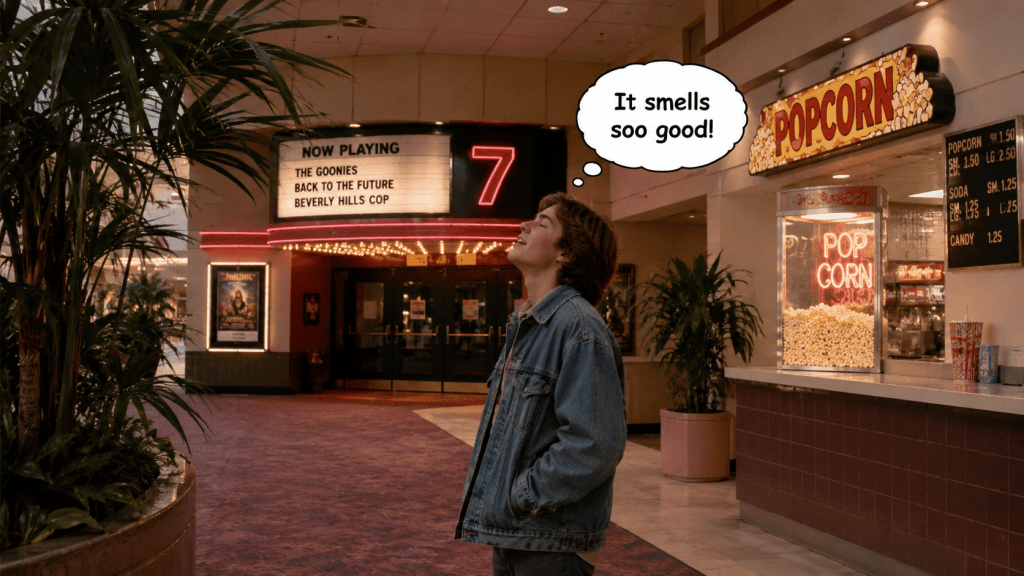
Stepping into a mall in the 1980s was less about entering a building and more about crossing into a controlled, self-contained world that felt separate from whatever was happening outside. The shift was immediate and noticeable, particularly in the contrast between outdoor weather and the cool, conditioned air inside. Whether escaping summer heat or winter cold, the interior of the mall offered a kind of consistency that made it feel both comforting and slightly artificial at the same time.
What truly defined the experience, however, was the layered scent that greeted you upon entering. It was not a single identifiable smell, but rather a complex blend that changed subtly depending on where you stood. Department stores contributed strong notes of perfume and cologne, often drifting outward from cosmetic counters and lingering in the air as people passed by. Clothing stores added the unmistakable scent of new fabric, fresh dye, and recently unpacked inventory, creating that faintly chemical yet oddly pleasant smell associated with brand-new items.
At the same time, the food court made its presence known long before it came into view, sending out waves of fried food, pizza, and sugary treats that mixed seamlessly with everything else. Beneath it all was the mall itself—the carpet, the escalators, the constant hum of ventilation systems—forming a subtle but ever-present background layer. The result was an environment that felt alive and immersive, not because of any one element, but because of how everything combined into a single, recognizable atmosphere that could never quite be replicated.
Arcades: Heat, Plastic, and Electricity
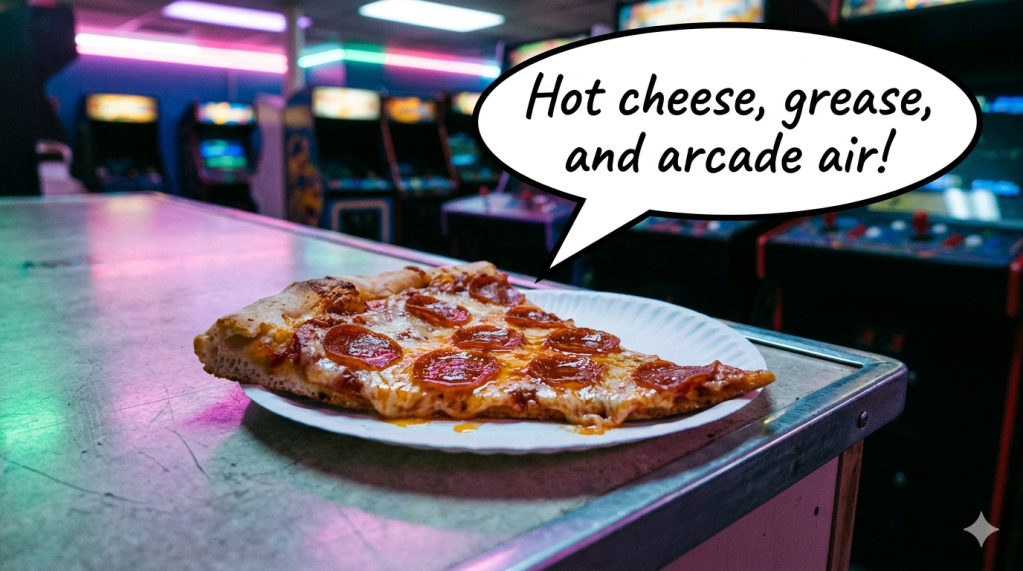
Arcades in the 1980s had a presence that went beyond the flashing lights and constant noise, creating an environment that felt almost physical in its intensity. The moment you stepped inside, you could sense the shift, not just visually or audibly, but through the air itself, which carried a distinct warmth generated by rows of machines running continuously. This heat was not overwhelming, but it was noticeable enough to shape the overall experience, giving the space a kind of density that made it feel active and alive.
The smell of an arcade was subtle but unmistakable, built from a combination of heated plastic, electrical components, and the faint metallic trace of circuitry at work. These elements blended with more familiar scents, such as spilled soda that had long since soaked into the carpet and the lingering traces of countless footsteps over time. The flooring itself often contributed a slightly worn, slightly sticky quality that was impossible to ignore, even if it became part of the background after a while.
Adding to this atmosphere was the presence of people, particularly the energy of crowded spaces filled with movement, excitement, and constant activity. The mix of body heat, sugary drinks, and the general pace of the environment created something that was not traditionally pleasant, but deeply memorable. Even the coins carried their own sensory imprint, with the metallic smell of quarters becoming part of the ritual of playing. Altogether, the arcade did not simply smell like a place; it smelled like an experience defined by energy, anticipation, and the passage of time without awareness.
Video Rental Stores
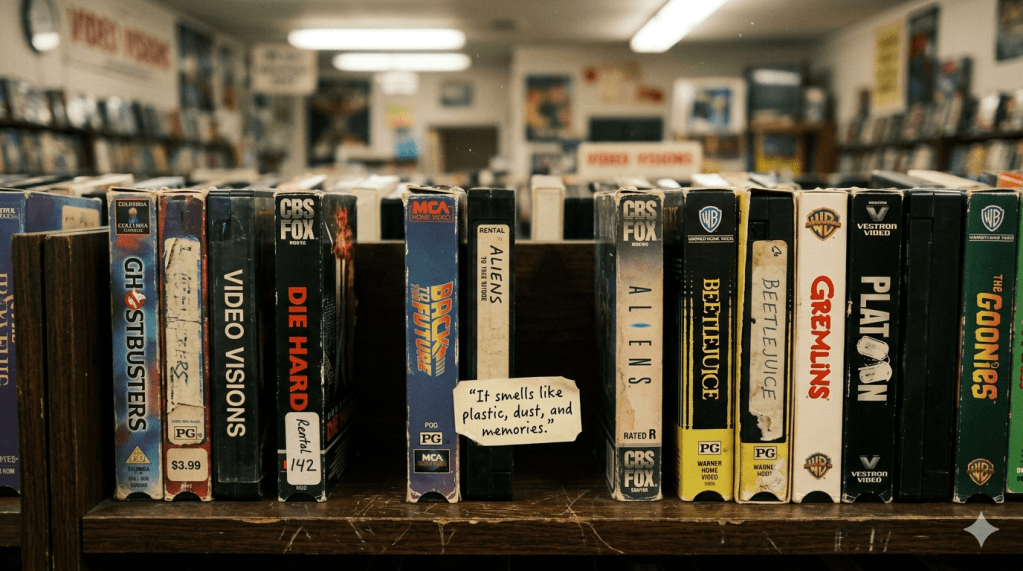
Few places captured the rhythm of everyday life in the 1980s quite like the video rental store, particularly on a Friday evening when the anticipation of the weekend was at its peak. Walking into one of these stores was not just about selecting a movie, but about participating in a small ritual that felt both routine and meaningful. The environment itself played a large role in shaping that experience, beginning with a scent that was immediately recognizable to anyone who had spent time browsing those aisles.
The most distinctive element was the smell of the VHS cases, which carried a unique blend of plastic and something slightly sweet, almost chemical in nature. With hundreds of these cases lining the shelves, the scent became a defining characteristic of the entire space, creating an atmosphere that was both artificial and oddly comforting. This was often layered with the faint presence of carpet cleaner, giving the store a sense of maintained cleanliness that never quite masked the underlying materials.
In many cases, there was also the subtle influence of popcorn or snack foods, whether sold on-site or simply associated with the experience of movie watching. The televisions mounted throughout the store added yet another dimension, emitting a soft electronic warmth that blended into the background without drawing attention to itself. What made the smell of the video store so memorable, however, was not just its composition, but its connection to anticipation—the act of choosing something to take home, knowing that the rest of the evening would unfold around that decision.
School Days and Classrooms
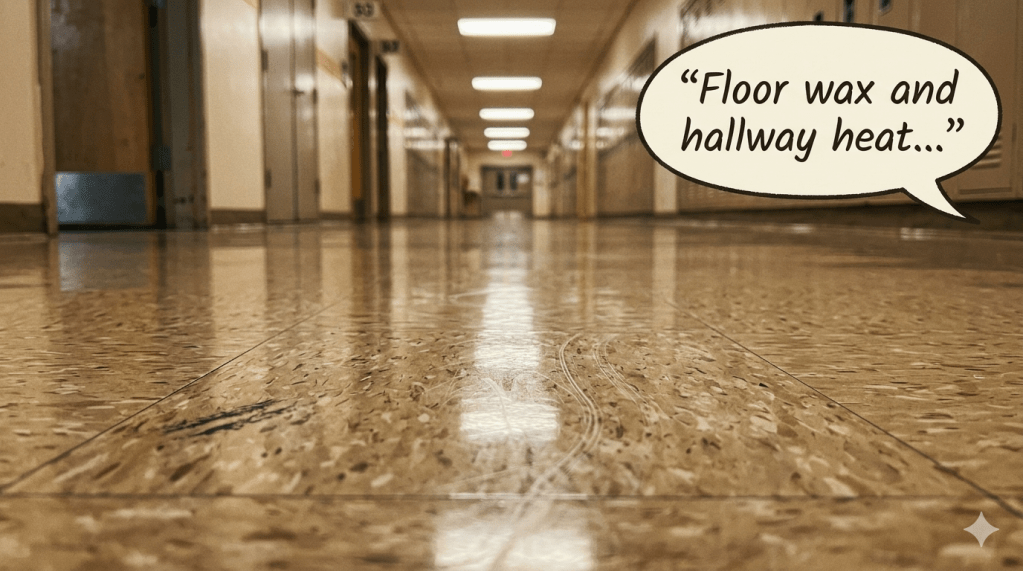
The sensory environment of schools in the 1980s was something that students rarely questioned at the time, yet it left a lasting impression that remains surprisingly vivid years later. Classrooms were defined by a combination of materials and routines that naturally produced a layered and consistent scent, one that became so familiar it almost disappeared into the background during daily life.
Chalk dust was one of the most recognizable components, lingering in the air and settling onto surfaces in a way that made it a constant presence. As dry erase boards began to appear, they introduced their own distinct smell through markers that carried a sharper, more chemical quality. Alongside this were the subtler contributions of pencils, paper, and erasers, each adding a soft, almost comforting note that was closely tied to the act of learning and working.
Books and worksheets introduced a dry, papery element that reinforced the overall atmosphere, while glue and other classroom supplies added occasional bursts of stronger scent. However, no discussion of school smells would be complete without acknowledging the cafeteria, which seemed to extend its influence far beyond its physical location. The smell of food—warm, processed, and persistent—often drifted through hallways and into classrooms, creating a background presence that was impossible to fully escape. Together, these elements formed an environment that was not necessarily pleasant in a traditional sense, but deeply familiar and inseparable from the experience of growing up during that time.
Cars and Gas Stations
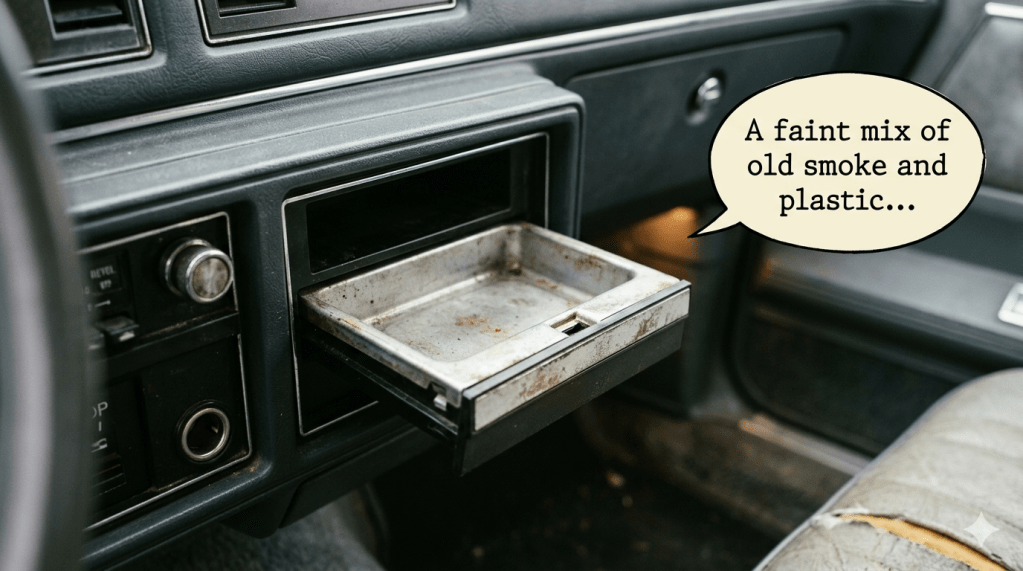
Cars in the 1980s offered a sensory experience that feels noticeably different when compared to modern vehicles, largely because they were not designed with neutrality in mind. Instead of aiming for a clean, scentless interior, they reflected the materials and habits of everyday life, resulting in an environment that carried a distinct and often layered smell.
One of the most defining features was the presence of vinyl seating, which responded strongly to temperature changes, particularly in warmer weather. When exposed to sunlight, these surfaces would release a warm, plastic-like scent that filled the interior of the car, making it immediately noticeable upon entering. This was frequently combined with the lingering presence of cigarette smoke, which was far more common at the time and tended to settle into fabrics and surfaces, becoming a lasting part of the vehicle’s atmosphere.
Attempts to mask these smells often came in the form of air fresheners, which introduced additional scents such as pine or artificial sweetness, but rarely replaced what was already there. Instead, they blended together, creating a layered effect that became characteristic of many cars during that era. Gas stations added another dimension to this experience, particularly through the strong and unmistakable smell of fuel, which was especially noticeable at full-service pumps where drivers remained inside their vehicles as attendants handled the refueling process. While not inherently pleasant, these scents became closely associated with routine, travel, and the everyday movement from one place to another.
Homes in the 1980s
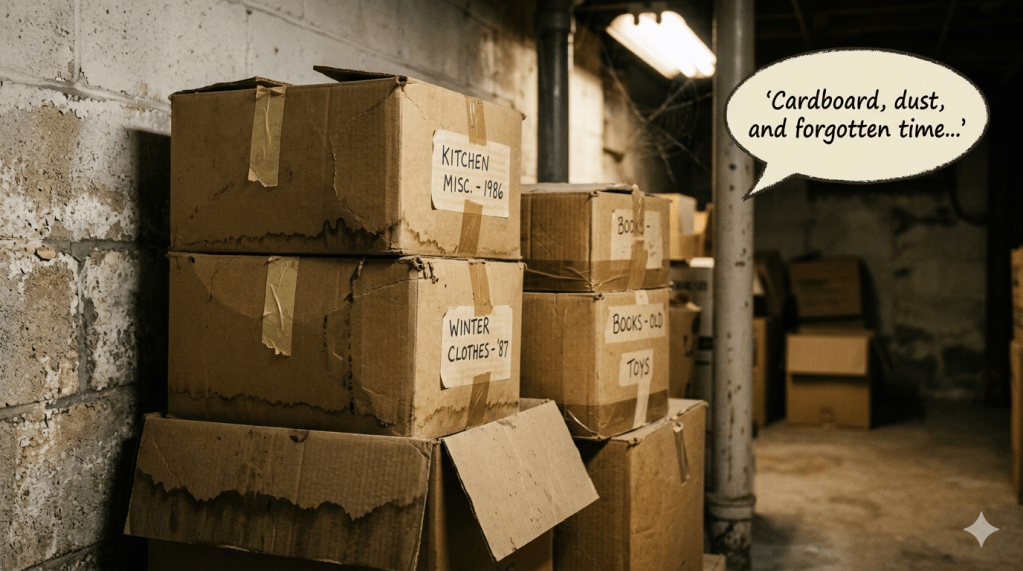
Homes during the 1980s tended to reflect the lives of the people within them in a way that feels less common today, particularly when it came to scent. Rather than aiming for a neutral or standardized environment, each home developed its own identity through a combination of daily habits, materials, and routines that naturally shaped the air within it.
In many cases, cigarette smoke played a significant role, settling into furniture, curtains, and carpets over time and becoming a constant, underlying presence. This was often combined with the smell of coffee brewing in the morning or meals being prepared throughout the day, both of which added warmth and familiarity to the space. Cleaning products contributed their own strong scents, frequently characterized by artificial notes such as lemon or pine, which did not eliminate existing smells so much as layer over them.
Different areas of the home carried their own distinct qualities, with basements often feeling cooler and slightly damp, while laundry rooms introduced the scent of detergent and fabric softener, offering one of the few consistently “fresh” elements. The overall effect was not one of uniformity, but of variation, with each home possessing a unique combination of scents that reflected the rhythms of daily life. This made them feel lived-in and personal, reinforcing the idea that scent was not something to be controlled, but something that naturally evolved over time.
Toys, Plastics, and Packaging
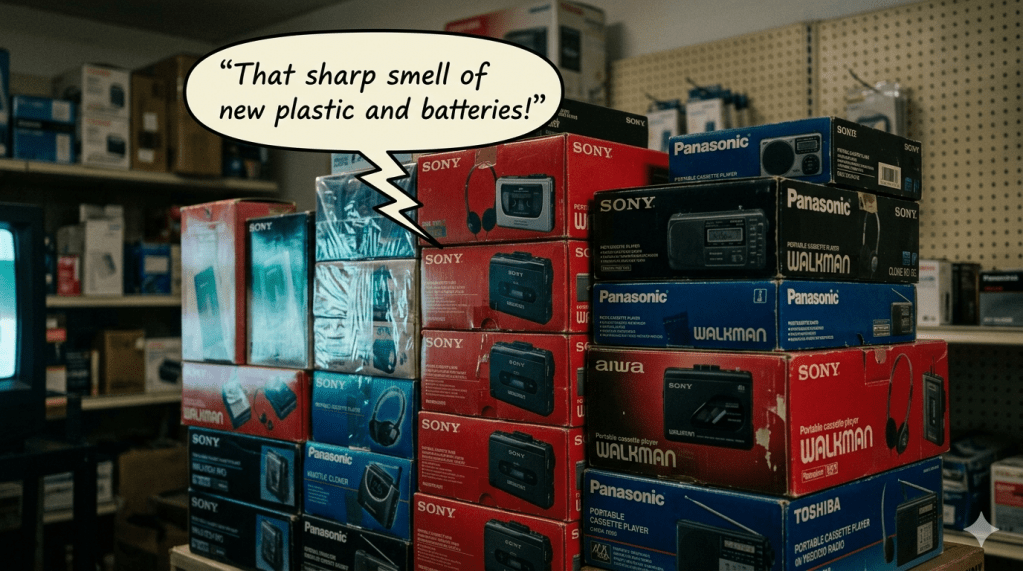
The act of opening something new in the 1980s was a sensory experience that extended far beyond the visual, shaped in large part by the materials used in packaging and manufacturing. Toys, electronics, and other products were often encased in layers of plastic, cardboard, and Styrofoam, each contributing its own distinct smell to the overall experience.
The scent of newly opened plastic was particularly recognizable, carrying a slightly chemical quality that was nevertheless strongly associated with excitement and novelty. Cardboard added a drier, more neutral element, while Styrofoam introduced a texture and scent that felt almost inseparable from the act of unboxing itself. Electronics brought their own variation, often accompanied by a faint warmth that hinted at the internal components within.
What made these smells so memorable was not just their distinctiveness, but the context in which they were experienced. Opening a new item was often tied to specific moments—birthdays, holidays, or special occasions—where anticipation and emotion heightened awareness of every detail. Christmas morning, in particular, became a concentrated version of this experience, with multiple packages being opened in quick succession, filling the room with a blend of fresh materials that defined the moment as much as the gifts themselves.
Food and Fast Food Places
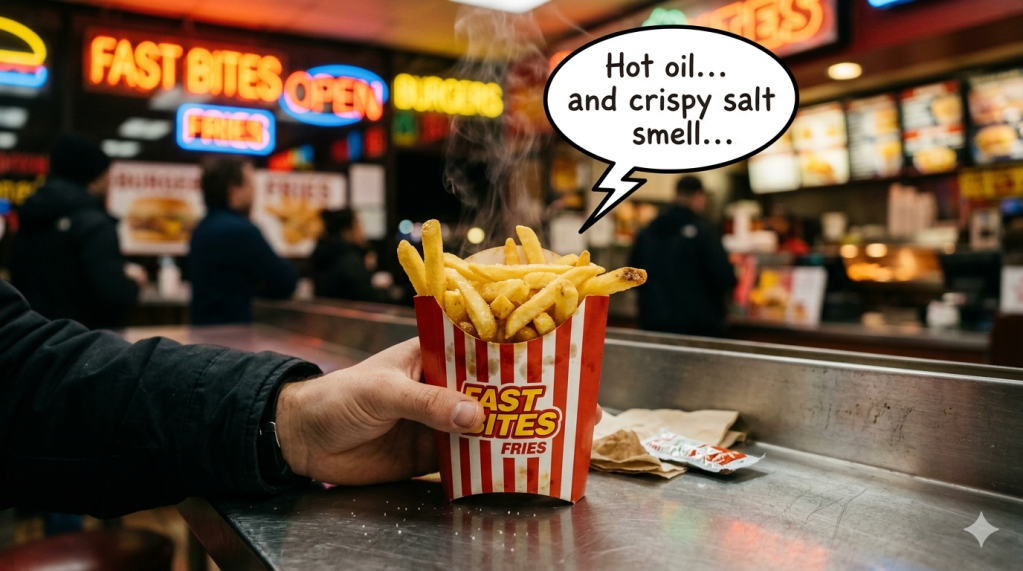
Food establishments in the 1980s were defined by bold and unmistakable scents that played a central role in shaping the overall experience. Unlike more modern approaches that sometimes aim for subtlety, these environments embraced strong, immediate aromas that were impossible to ignore upon entering.
Fried foods formed the foundation of many of these smells, with oil, fries, and burgers creating a rich and persistent presence that lingered both in the air and on clothing. Pizza places introduced their own variation, combining the scents of baking dough, melted cheese, and tomato sauce into something equally distinctive. Soft drinks added a layer of sweetness, particularly through the syrup used in fountains, which could sometimes be detected even beyond the immediate serving area.
Packaging also contributed to the overall atmosphere, as wrappers, boxes, and containers carried their own faint scents that blended with the food itself. The result was an environment that felt immersive and complete, where smell was not just a byproduct, but an integral part of the experience. While these scents could be overwhelming at times, they became closely tied to social routines and shared moments, reinforcing their place in memory long after the details of specific meals had faded.
The Outdoors
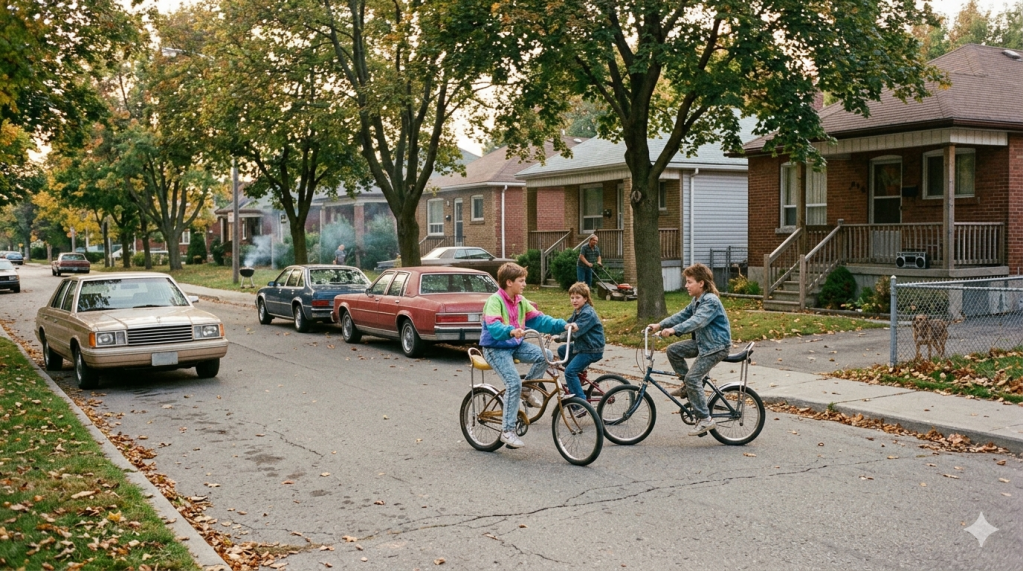
The outdoor environment of the 1980s carried its own set of sensory characteristics, shaped by both natural elements and everyday surroundings. Unlike controlled indoor spaces, these smells were more variable, changing with weather, location, and time of day, yet still forming recognizable patterns that contributed to the overall atmosphere of the decade.
During the summer months, the scent of heated pavement became particularly noticeable, especially in areas exposed to direct sunlight for extended periods. This was often paired with the smell of freshly cut grass, which added a sharp, green contrast that felt closely tied to suburban life. Playgrounds introduced additional elements, including the scent of metal equipment warmed by the sun and the presence of rubber or dirt disturbed by constant activity.
Urban areas carried a more complex mixture, influenced by traffic, buildings, and the movement of people, while quieter neighborhoods offered a more subdued but equally distinct combination of natural and residential smells. In either case, the outdoor air felt less filtered and more immediate, contributing to a sense of authenticity that is difficult to fully capture in retrospect. These scents were not always consciously noticed, but they formed a constant backdrop to daily life, reinforcing the connection between environment and experience.
Why These Smells Still Matter
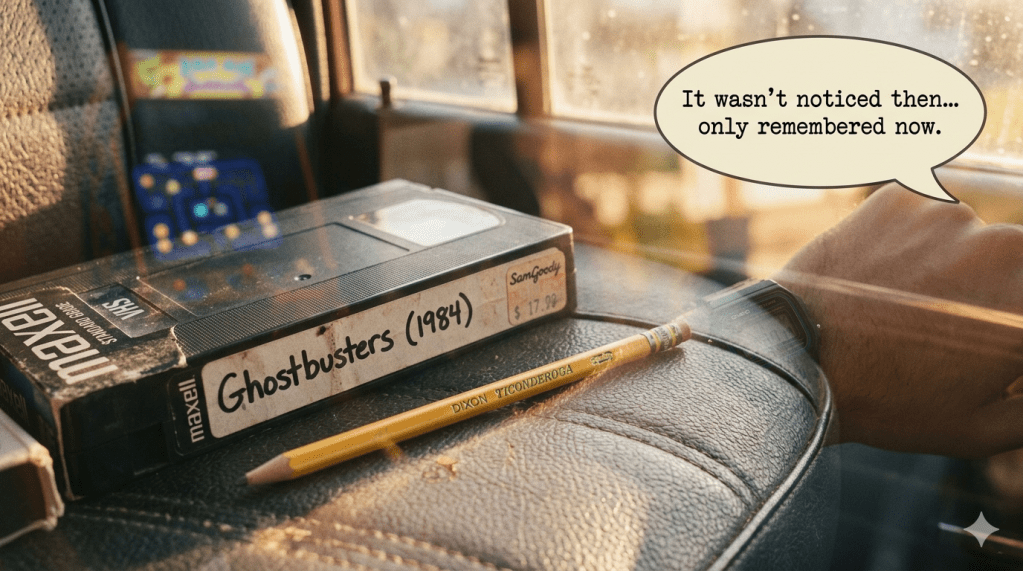
In many ways, the most remarkable aspect of these smells is that they were rarely the focus of attention at the time. They existed as part of the background, woven into everyday life in such a way that they seemed almost invisible. It is only in hindsight that their significance becomes clear, particularly in how strongly they are tied to memory and emotion.
Smell has a unique ability to bypass the usual processes of recall, connecting directly to the parts of the brain associated with feeling and experience. This is why even a faint trace of a familiar scent can trigger such a vivid and immediate response, bringing back not just a place, but the atmosphere, the pace, and the emotional tone of a specific moment in time.
The 1980s, when viewed through this lens, becomes more than just a collection of cultural references or historical details. It becomes something tangible, defined by small, everyday experiences that were never meant to stand out, yet somehow became unforgettable. These scents, taken individually, may seem insignificant, but together they form a powerful link to the past, reminding us that memory is often built from the details we notice the least.
And perhaps that is why they endure, waiting quietly until the right moment, when something as simple as a familiar smell is enough to bring it all back again.


Leave a Reply