The World Before You Could Just Ask
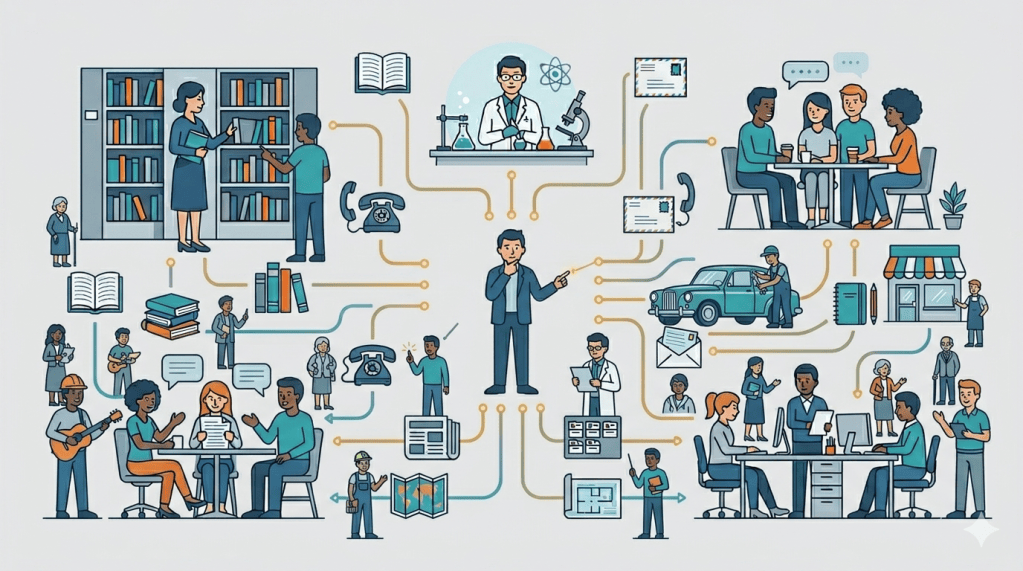
In the 1980s, information didn’t arrive cleanly packaged or instantly accessible. It didn’t sit behind a screen waiting to respond to a question. It existed in motion, scattered across people, places, and conversations. If you needed to know something, you had to go looking for it—but not in the way we understand searching today. You had to move through a network you couldn’t see.
Knowledge was unevenly distributed. Some people knew very little, others knew quite a bit, and a few seemed to know exactly what you needed at exactly the right time. But there was no direct line to them. There was only the process of getting there.
You didn’t expect immediacy. You expected effort. You expected a bit of uncertainty. And most of all, you expected that the answer wouldn’t come from a system—it would come from a person, or more likely, a series of them.
That was the environment. Not silent, not empty, but human.
The Human Search Engine

Every neighborhood, workplace, and social circle had its own version of a search engine. It just didn’t look like one. It looked like ordinary people going about their lives, holding onto fragments of knowledge that only became valuable when someone else needed them.
There was always someone who seemed unusually connected. They didn’t necessarily know everything themselves, but they knew how to get to the answer. They remembered names, situations, past conversations. They kept track of who did what, who was reliable, who wasn’t worth the time.
These people became informal hubs. You went to them not because they had the answer, but because they could shorten the path to it. They were efficient in a way that felt almost invisible. You would ask a question, and instead of guessing, they would pause, think, and say something like, “I know who you should talk to.”
That sentence alone could save hours, sometimes days.
What made them effective wasn’t intelligence in the traditional sense. It was awareness. They paid attention to people, remembered details, and understood how everything connected. In a world without search bars, that ability made them incredibly valuable.
The Chain Reaction of Asking

Answers rarely came directly. Instead, they unfolded step by step, through a series of conversations that felt loosely connected at first but gradually formed a clear path.
You would ask someone a question, and instead of giving you an answer, they would give you a direction. That direction would lead to another person, who might refine it further, or redirect it entirely. Each step moved you closer, but never in a straight line.
There was a kind of patience built into this process. You didn’t expect the first person to solve your problem. You expected them to move you forward. And with each new conversation, the uncertainty narrowed.
By the time you reached someone who truly knew what they were talking about, the question itself had often been refined. It became more specific, more focused, shaped by everything that came before it.
And when the answer finally arrived, it felt earned—not because it was difficult to obtain, but because you had followed the path all the way through.
Trust Was the Algorithm

There were no ratings, no visible metrics, no system to verify credibility at a glance. Trust was built differently. It came from experience, familiarity, and repeated interaction.
If someone recommended a person or a place, you didn’t evaluate it in isolation. You evaluated it based on who was speaking. Their history mattered. Their judgment mattered. Their past recommendations stayed with you.
Over time, you developed a sense of who to rely on. Some people were careful and precise. Others were confident but inconsistent. Some passed along information without much thought, while others only spoke when they were sure.
This created a natural filtering system. Information didn’t spread evenly—it spread through trusted channels. And because of that, it often arrived with a level of credibility that didn’t need to be questioned.
Trust wasn’t calculated. It was accumulated.
The Phone Book Era of Hope
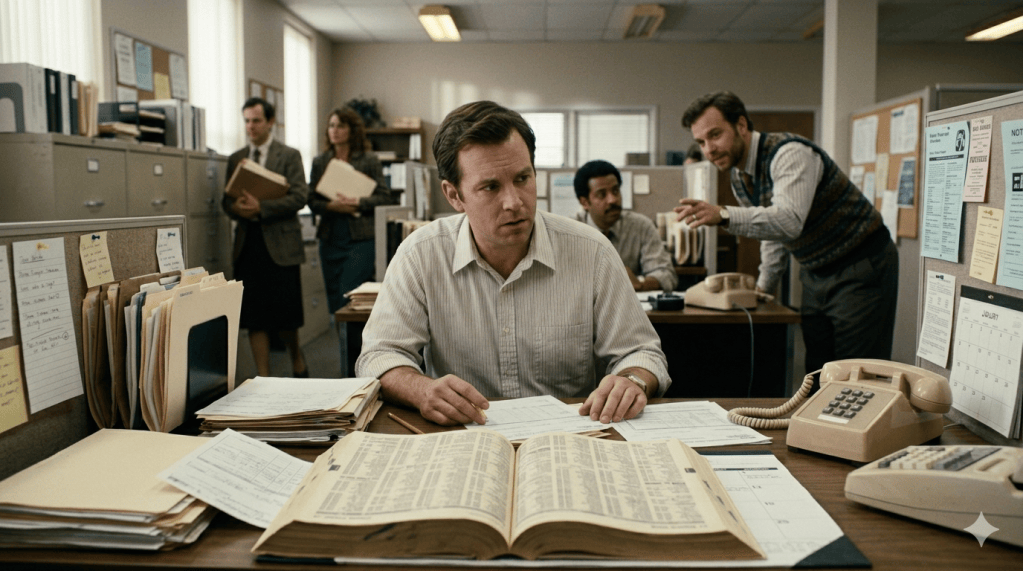
The phone book suggested order. It gave the impression that everything you needed was already organized, categorized, and waiting to be found. In theory, it offered independence—you didn’t have to ask anyone. You could just look.
But in practice, it rarely worked that way.
A list of names and numbers didn’t tell you which ones mattered. It didn’t tell you who would answer, who would do a good job, or who would create more problems than they solved. It offered options, but no clarity.
So even with the phone book open in front of you, the instinct was still to ask someone. To confirm. To narrow it down. To turn a list into a decision.
The phone book wasn’t the solution. It was a starting point filled with uncertainty, waiting to be shaped by human input.
Social Navigation as a Skill

Not everyone moved through this system the same way. Some people were noticeably better at it. They knew how to ask questions in a way that produced useful answers. They knew when to follow a lead and when to abandon it.
They understood the structure of the network, even if they couldn’t describe it. They recognized patterns. They remembered who had been helpful before and who had not. They adjusted quickly, shifting direction without losing momentum.
This wasn’t something formally learned. It developed over time, through experience. Each interaction added a small piece to the larger picture.
Eventually, navigating people became a skill in itself. And those who mastered it rarely struggled to find what they needed.
The Slowness That Filtered Noise

The pace of information mattered more than anyone realized at the time. Because nothing happened instantly, everything had time to settle.
People didn’t respond immediately to every question. They thought about it. They hesitated. They sometimes checked with someone else before answering. That delay created space for correction.
Incorrect information didn’t always travel far. It was often caught early, adjusted, or quietly dismissed before it could spread widely. The system wasn’t perfect, but it had a way of regulating itself.
Slowness acted as a filter. It reduced noise without anyone actively trying to control it.
And as a result, what reached you was often more reliable than expected.
When Knowing Someone Was Power

Connections mattered. Not in an abstract way, but in a very practical sense. Knowing the right person could change how quickly you solved a problem, how easily you accessed something, or whether you found a solution at all.
This wasn’t always visible. People didn’t talk about it directly. But the difference was there.
Some individuals moved through the world with less friction. Things worked out for them more often, not because of luck, but because they were connected to people who could help.
And those connections didn’t always look important on the surface. Sometimes it was just a name remembered at the right moment, or a number written down and kept for years.
But when the time came, that small piece of connection made all the difference.
The Disappearance of the Middle Layer
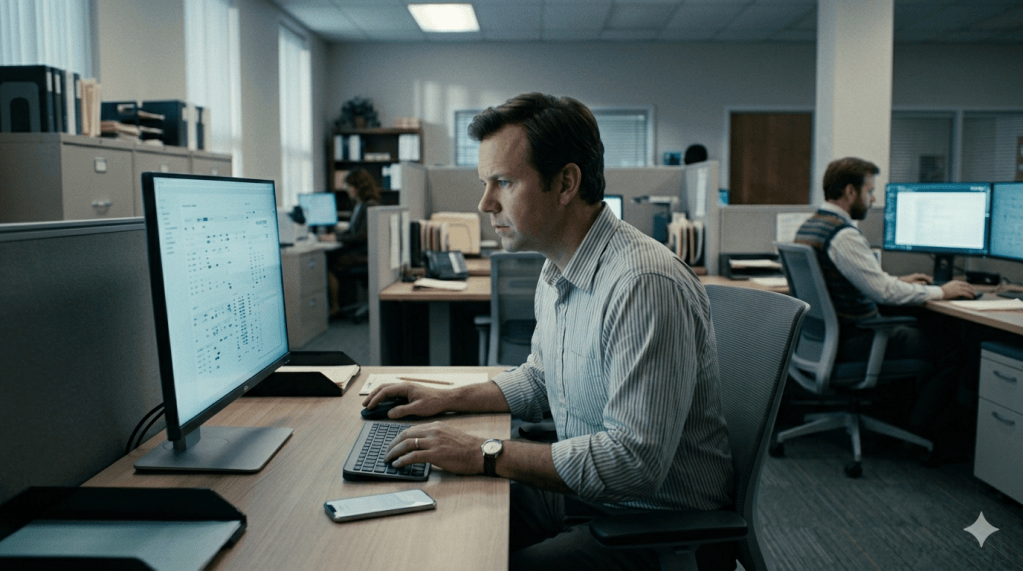
Over time, the need for these human pathways began to fade. As information became more accessible, the steps in between started to disappear.
The neighbor, the coworker, the distant acquaintance—each played a smaller role as direct access replaced indirect navigation. Questions no longer needed to pass through multiple people to reach an answer.
The process became shorter, faster, and more efficient. But in that efficiency, something subtle was removed.
The middle layer wasn’t just a delay. It was a shaping force. It added context, filtered information, and connected people in ways that extended beyond the original question.
Without it, answers became immediate—but also more isolated.
The Memory of a Slower Internet (Before the Internet)
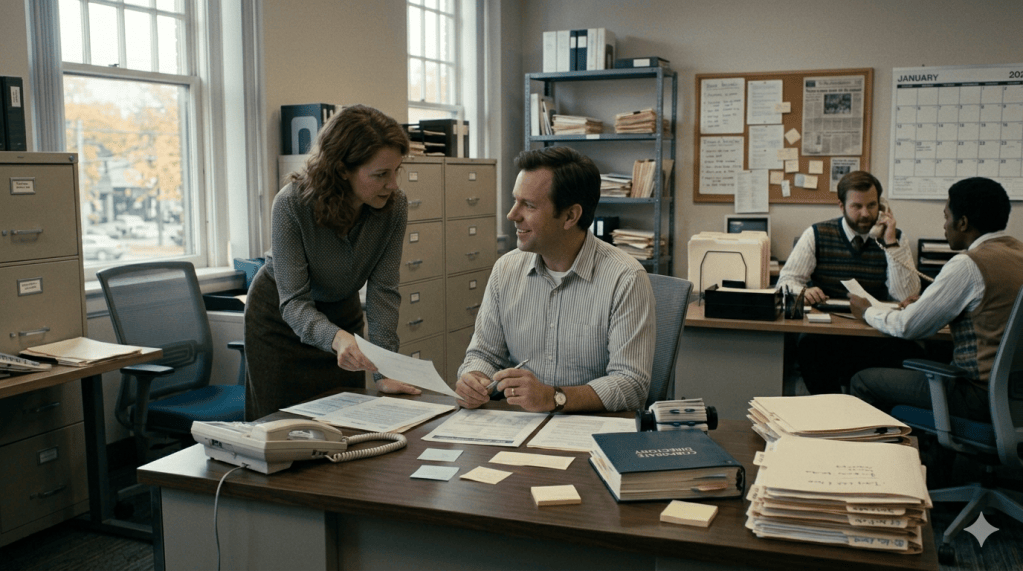
Looking back, the system feels almost like a slower, human version of what we now take for granted. It had structure, flow, and even a kind of logic to it—but it was built entirely on relationships.
There was something distinct about receiving an answer that had passed through multiple people. It carried a sense of origin. You knew it came from somewhere, even if you couldn’t trace every step.
And sometimes, the path itself became part of the answer. You didn’t just learn what to do—you learned how it was discovered, who contributed, and why it made sense.
That layer of context gave information a kind of depth that is easy to overlook now.
It wasn’t just about knowing something.
It was about knowing how you came to know it—and who helped you get there.


Leave a Reply