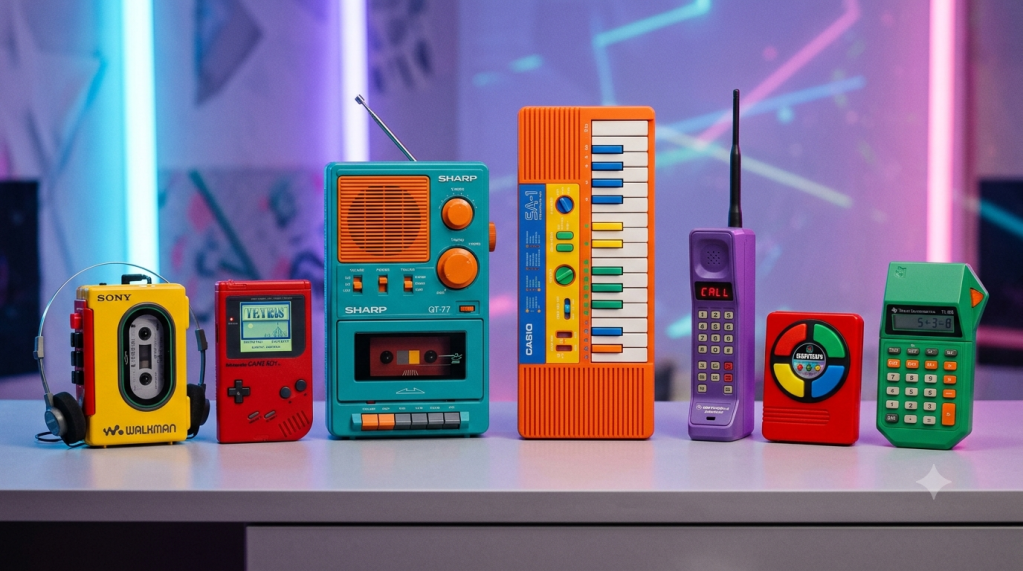
The 1980s were a special time for technology. It was a decade when gadgets began moving from laboratories and businesses into everyday homes. For the first time, ordinary families could own personal computers, portable music players, video game systems, digital watches, cordless phones, and a growing collection of electronic devices that felt like they belonged to the future.
What made 1980s technology so memorable was not just what these gadgets could do. It was the feeling they created. A new gadget in the 1980s was an event. It was something you saved up for, something you showed your friends, something that often came with a thick instruction manual and packaging covered with colorful futuristic designs. Technology was exciting because it was still new enough to feel magical.
Today, many of those classic gadgets have returned. Some are exact recreations of the originals, while others have been redesigned with modern improvements while keeping the same retro style. People who grew up in the 1980s buy them because they bring back memories of childhood bedrooms, family rooms, arcades, and Saturday afternoons. Younger generations buy them because they offer something modern technology often lacks: personality.
In a world filled with identical smartphones, wireless earbuds, and touchscreen devices, 1980s-inspired gadgets stand out. They have buttons, shapes, colors, and designs that remind us of a time when technology had character.
Here are some of the best 1980s gadgets you can still buy today.
The Return of the Boombox: Bringing Back the Sound of the 1980s
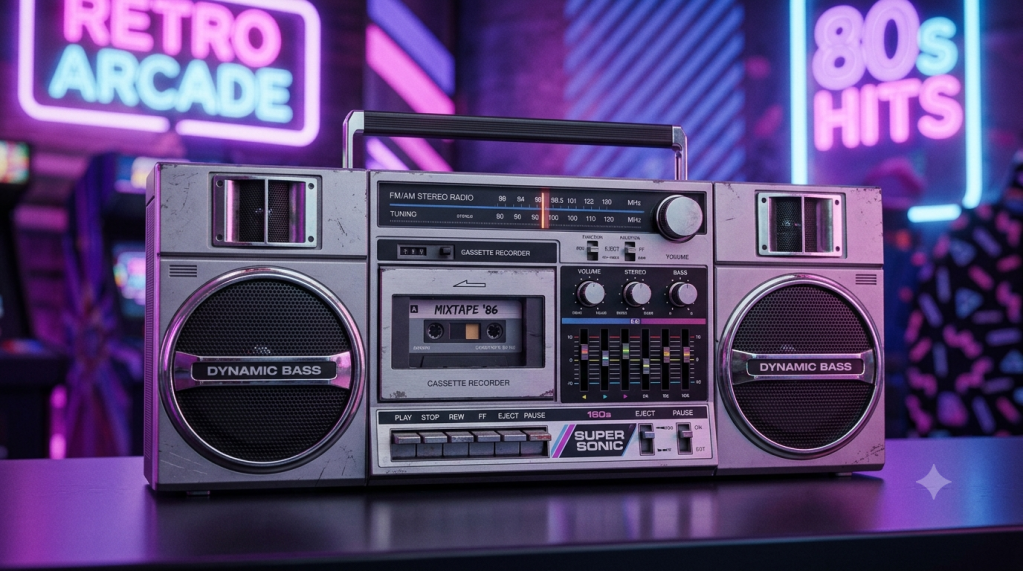
Few gadgets represent the 1980s better than the boombox. It was the ultimate symbol of portable music during a decade when music became a major part of personal identity. Before smartphones, before streaming services, and before tiny wireless speakers, there was the giant portable stereo that sat proudly on your shoulder.
The 1980s boombox was more than just a music player. It was a social device. Teenagers carried them to parks, basketball courts, beaches, and neighborhood gatherings. Friends would gather around while someone played the latest cassette from their favorite band. Recording a mixtape became a personal art form, with people carefully choosing songs to create the perfect collection.
Modern versions of boomboxes bring back that same feeling while adding features people expect today. Many retro-style models include Bluetooth connectivity, allowing you to stream music from a phone while still enjoying the classic appearance of a large portable stereo. Some even include cassette players, letting you play old tapes or create new mixtapes.
The appeal of the modern boombox is not just about sound quality. It is about the experience. Pressing physical buttons, watching cassette reels spin, and seeing a large speaker system sitting on a shelf feels completely different from playing music through a tiny device hidden in your pocket.
For anyone who remembers the sound of a cassette clicking into place and the warm mechanical feeling of pressing play, a modern boombox is like bringing a piece of the 1980s back into your home.
Cassette Players and Walkmans: The Original Portable Music Revolution
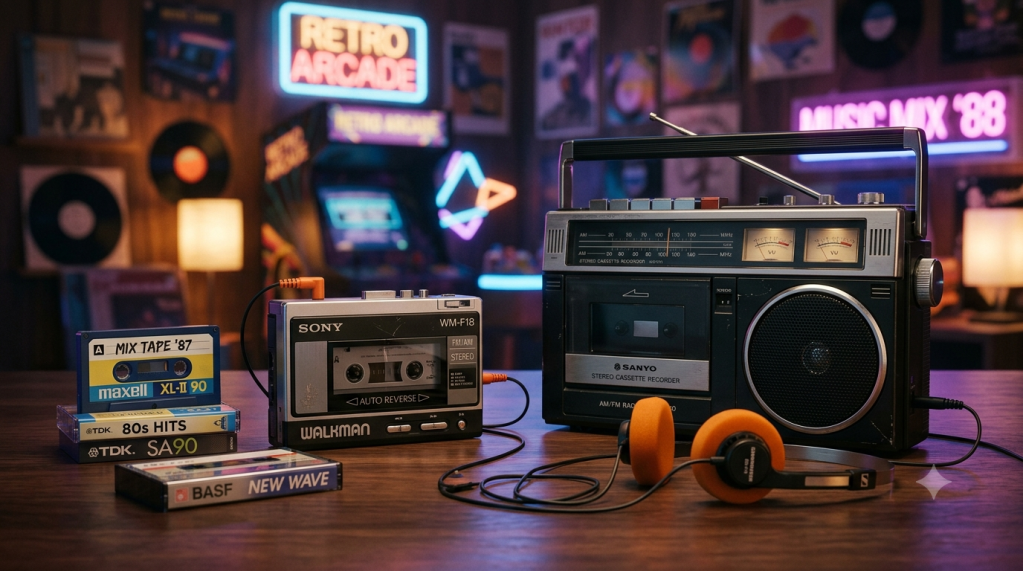
Before digital music, there was the cassette tape. And before everyone carried thousands of songs in their pockets, there was the portable cassette player.
The portable cassette player changed how people experienced music. Suddenly, music was no longer limited to the living room stereo. You could listen while walking, riding the bus, doing homework, or relaxing in your bedroom. The arrival of portable music created a new sense of independence, especially for teenagers.
The original Sony Walkman became one of the most iconic gadgets of the decade. It represented freedom and personal choice. You could put on headphones and create your own private world.
Today, cassette culture has made a surprising comeback. New cassette players are available with updated designs, rechargeable batteries, Bluetooth features, and improved audio components. Some people buy them because they still own old cassette collections. Others buy them because they enjoy the physical experience of owning music.
There is something satisfying about holding a cassette tape, reading the artwork, flipping it over to Side B, and hearing the slight mechanical sounds before the music begins. It feels slower and more intentional than simply clicking a digital playlist.
The modern cassette player proves that sometimes older technology survives because people miss the connection it creates.
Retro Video Game Consoles: Reliving the Golden Age of Gaming
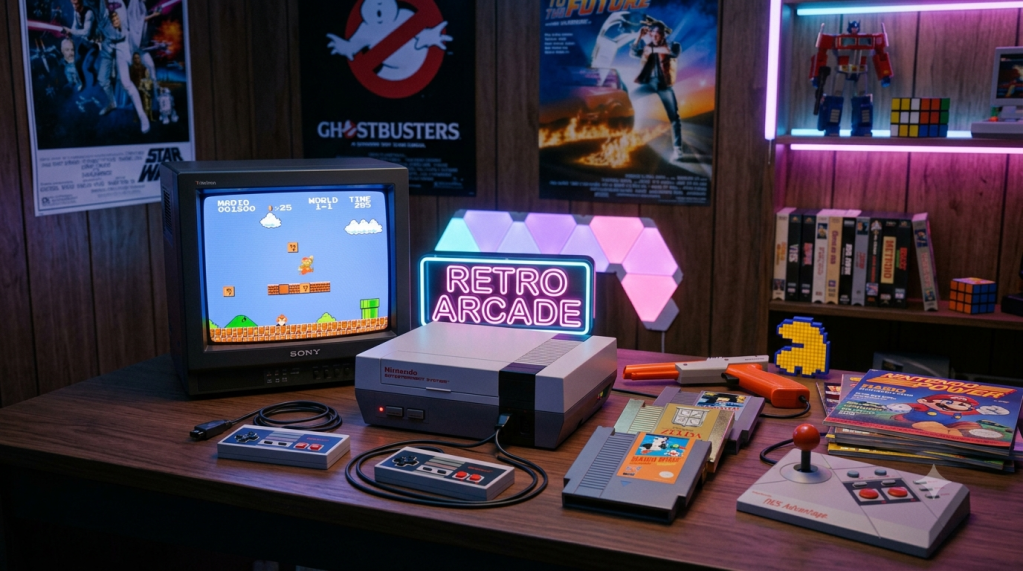
The 1980s was the decade when home video gaming became a major part of popular culture. Before gaming became an online experience filled with massive worlds and realistic graphics, it was about simple ideas, colorful characters, and learning how to master a few buttons.
Systems like the Nintendo Entertainment System introduced millions of people to home gaming. Children gathered around televisions, sharing controllers and taking turns trying to beat difficult levels. Games were challenging because there were no online guides, downloadable updates, or automatic saves. Players had to learn through practice.
Today, retro gaming consoles have become extremely popular. Companies have released smaller versions of classic systems loaded with built-in games. These modern versions connect easily to current televisions while keeping the original look and feel.
The popularity of retro gaming shows that people are not always searching for the most advanced technology. Sometimes they want simplicity. A classic game can be understood immediately. You pick up the controller, start playing, and focus on having fun.
Retro gaming also brings back memories of neighborhood friendships, weekend sleepovers, and afternoons spent trying to finally defeat a game that seemed impossible.
Digital Watches: When the Future Was on Your Wrist
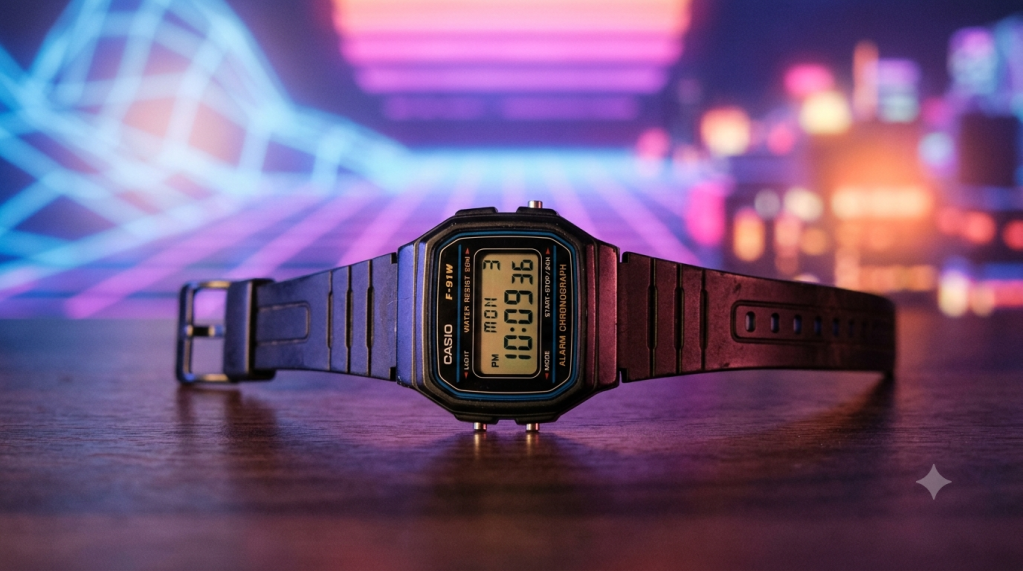
In the 1980s, digital watches represented the future. A glowing electronic display on your wrist felt like something from a science-fiction movie. Watches were no longer just about telling time. They became gadgets.
Many digital watches included features that seemed incredibly advanced at the time: calculators, alarms, stopwatches, and backlights. Wearing one made people feel like they were carrying a piece of futuristic technology everywhere they went.
The famous Casio digital watches of the era remain popular today. Their retro designs have survived because they were practical, affordable, and instantly recognizable.
Modern versions often keep the same classic appearance while adding improvements such as better durability and updated internal components. Many people wear them not because they need another way to check the time, but because they represent a simpler relationship with technology.
A digital watch from the 1980s does not constantly demand attention. It quietly sits on your wrist, does its job, and reminds you of a time when gadgets were useful without being overwhelming.
Retro Radios: The Sound and Style of the Past
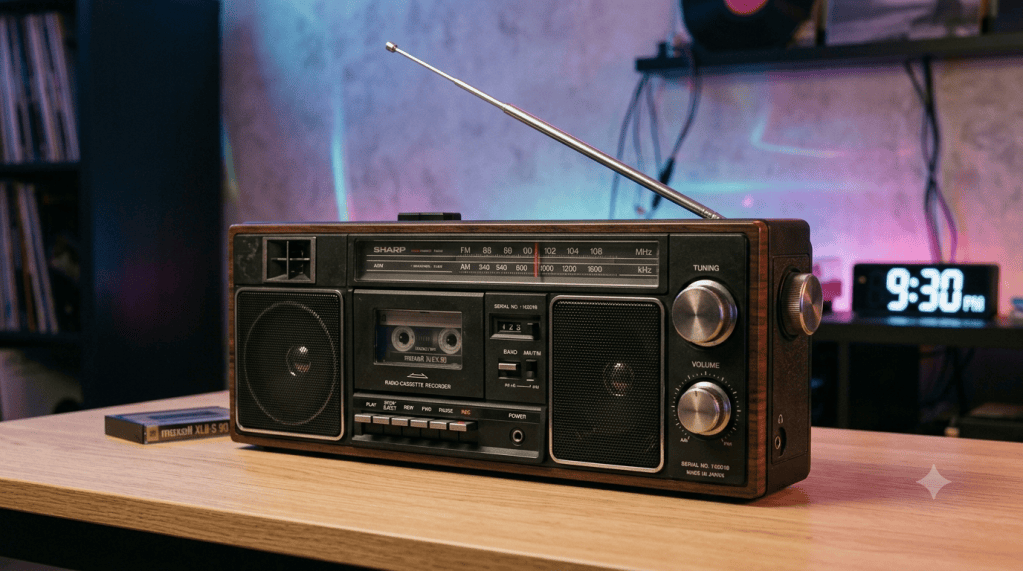
The radio was still an important part of everyday life in the 1980s. Families listened in kitchens, people kept small radios beside their beds, and teenagers used portable radios to discover new music.
1980s radios had a distinctive style. They often featured large tuning knobs, physical buttons, antennas, and wood or plastic designs. They looked like machines instead of invisible electronics.
Today, retro radios combine old-fashioned appearance with modern technology. Many include Bluetooth, digital tuning, USB charging, and improved speakers while maintaining the classic look.
A retro radio brings back the feeling of turning the dial and searching for a station. It creates a different experience from opening an app and instantly choosing something.
There was a sense of discovery involved with radio. You never knew exactly what song would play next, and finding a new favorite artist felt like a small adventure.
Instant Cameras: The Comeback of Physical Memories
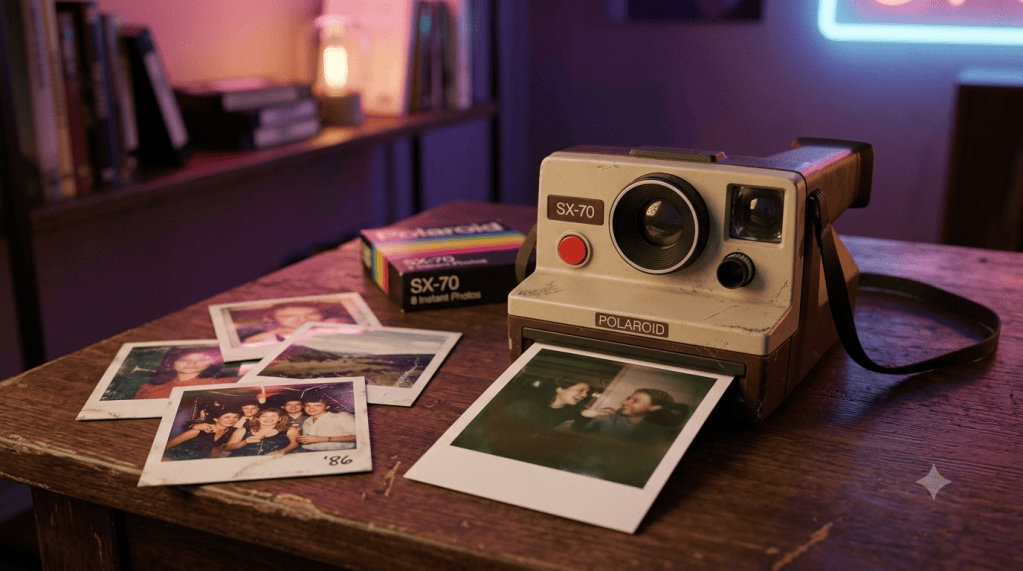
The 1980s was a major decade for instant photography. Cameras allowed people to take pictures and hold the finished photo moments later. It felt almost like magic.
Unlike modern smartphone photography, where people often take hundreds of pictures and forget about them, instant cameras created physical memories immediately. Photos were printed, shared, placed on refrigerators, and stored in albums.
Modern instant cameras have brought this experience back. They combine updated technology with the same excitement of watching a photo slowly appear.
The popularity of instant cameras shows that people still enjoy physical objects. A printed photo feels personal in a way that a picture stored on a phone does not.
The slight imperfections, the colors, and the surprise of seeing the image develop are all part of the charm.
Retro Computers: The Fascination With Early Personal Technology
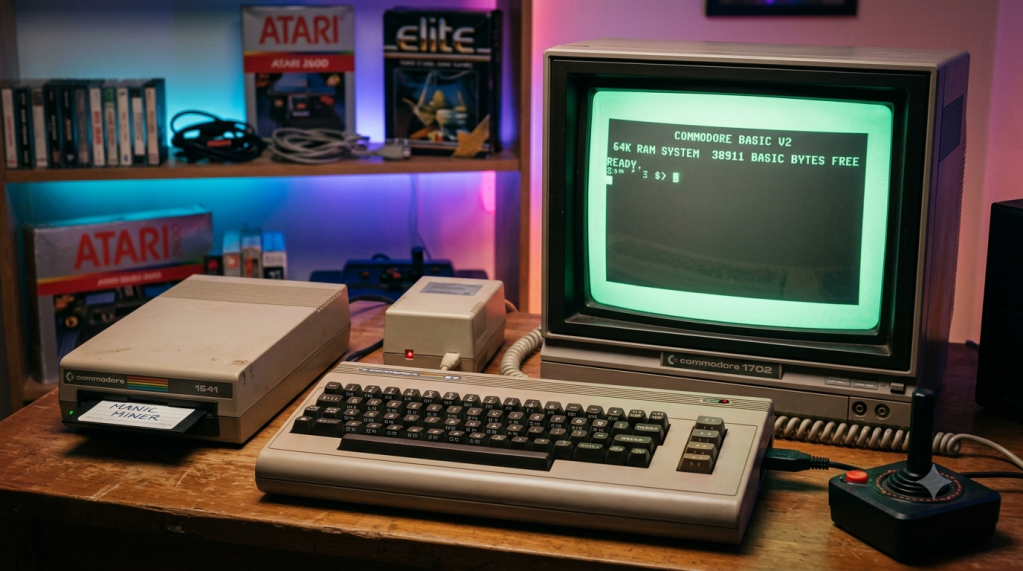
The 1980s was the decade when personal computers entered many homes. Computers such as the Commodore International systems and early home PCs introduced people to programming, gaming, and digital creativity.
These computers looked completely different from today’s sleek laptops. They had large keyboards, chunky monitors, and a mechanical appearance that made them feel like serious machines.
Today, retro computers and mini versions of classic systems are popular among collectors and technology enthusiasts. Some people enjoy programming on vintage hardware, while others simply love the design and nostalgia.
The appeal comes from remembering a time when computers were not everywhere. Learning how to use one felt like discovering a new world.
Arcade-Style Gaming Machines for the Home
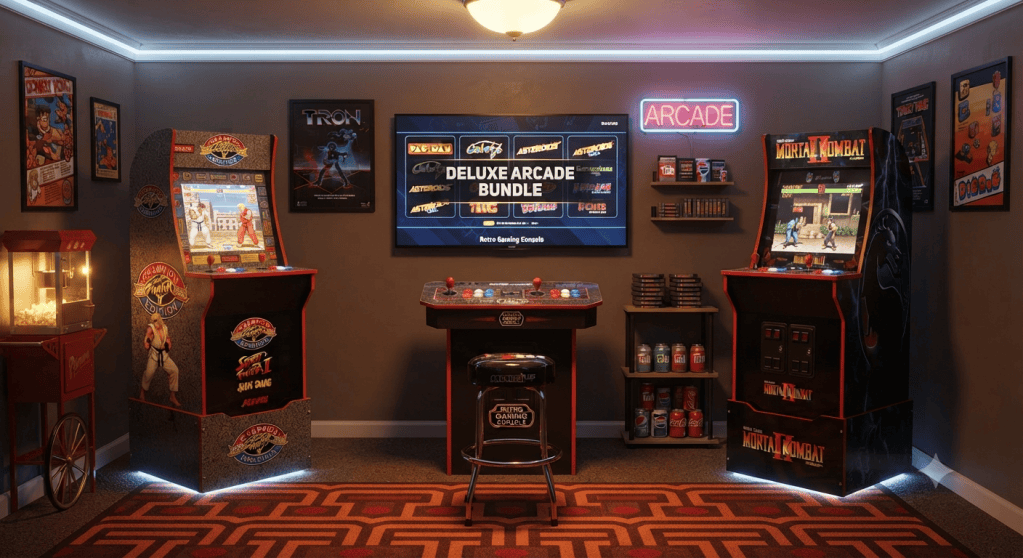
The arcade was one of the most exciting places to be during the 1980s. Bright screens, flashing lights, and the sound of electronic music created an unforgettable atmosphere.
Many people who grew up during the decade remember spending quarters at local arcades, shopping malls, restaurants, and entertainment centers.
Today, home arcade machines allow people to recreate that experience. Compact versions of classic arcade cabinets are available for homes, bringing back the feeling of standing in front of a machine and trying to beat the high score.
They are popular because they are not just games. They are pieces of decoration and conversation starters. A small arcade cabinet in a room instantly creates a nostalgic atmosphere.
The Return of the 1980s Design Philosophy
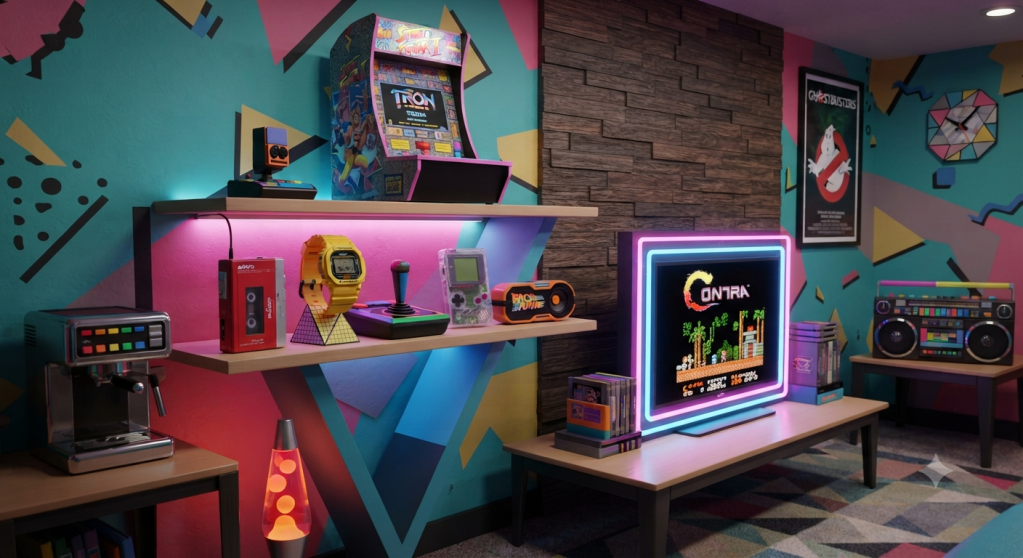
One reason these gadgets remain popular is because 1980s design had a unique personality. Products were often colorful, bold, and easy to recognize. Manufacturers experimented with shapes, buttons, and futuristic styling.
Modern technology often focuses on making devices smaller and less noticeable. Many current gadgets disappear into the background. They are designed to be invisible.
1980s-inspired gadgets do the opposite. They want to be seen.
A retro gadget sitting on a shelf becomes part of the room. It adds character. It reminds people of a different era and creates conversations.
Why People Still Love 1980s Gadgets
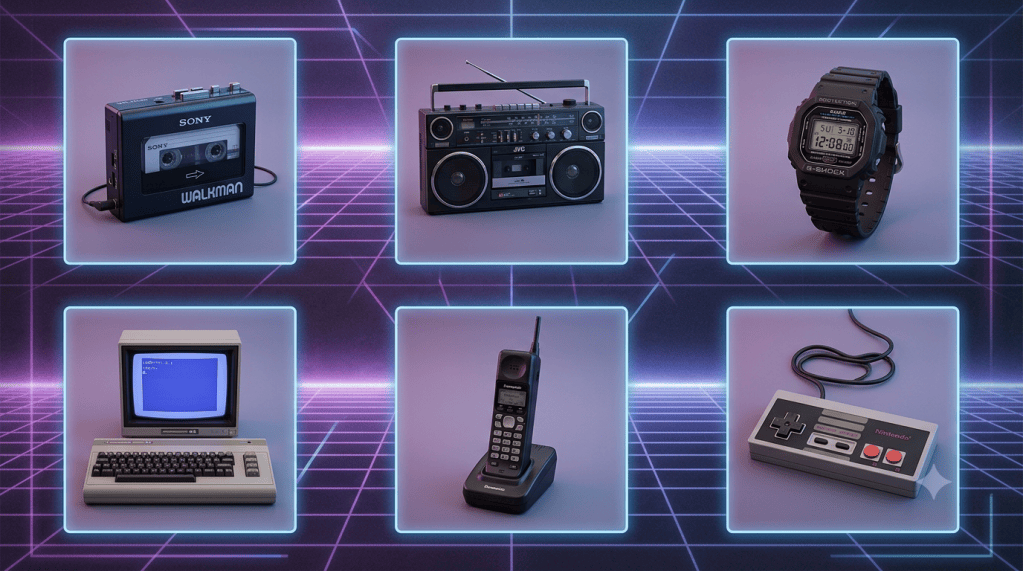
The popularity of 1980s gadgets is about more than nostalgia. It is about the emotional connection people have with objects.
Technology in the 1980s felt personal because people interacted with it physically. They pressed buttons, adjusted knobs, inserted tapes, changed batteries, and learned how things worked.
Today, many devices are more powerful than anything imagined in the 1980s. A smartphone can replace dozens of old gadgets. Yet many people still feel drawn toward older designs because they represent a time when technology felt exciting without feeling complicated.
A retro gadget reminds people of bedrooms filled with posters, family rooms with large televisions, Saturday morning cartoons, video rental stores, arcades, and the feeling that the future was arriving one invention at a time.
The 1980s Never Really Disappeared
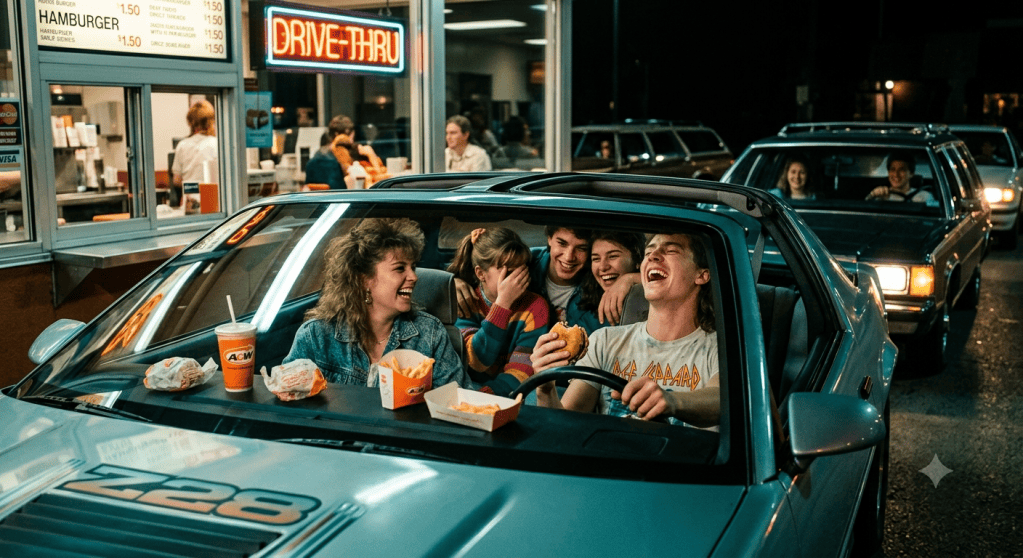
The 1980s may be decades behind us, but its influence is everywhere. Music, fashion, movies, video games, and technology from the era continue to inspire new generations.
The gadgets of the 1980s represent a unique moment in history. They were created during a time when technology was becoming part of everyday life, but before it became completely digital and invisible.
Buying a modern retro gadget is not just about owning an electronic device. It is about reconnecting with a feeling. It is about remembering when opening a new gadget box felt exciting, when learning how something worked was part of the fun, and when technology seemed like a doorway to the future.
The best 1980s gadgets you can still buy today prove that great design never truly becomes outdated. Some inventions stay popular because they are useful. Others survive because they remind us of who we were.
And sometimes, the best technology is the kind that brings back a memory every time you use it.


Leave a Reply